Locations
1777 to 1800 of 2302 results
-
Hotel Cafe 't Anker
Hotel Cafe 't Anker Leeuwarden
-
Bistro Pinot Grou
Bistro Pinot Grou Grou
-
Sorgdrager Cultural History Museum
Sorgdrager Cultural History Museum Hollum
-
De Klassieke Rederij
De Klassieke Rederij Gaastmeer
-
Luxe Safaritent
Luxe Safaritent Molkwerum
Direct boekbaar
-
Camping Flapper - Villa Flapper
Camping Flapper - Villa Flapper Gaastmeer
Direct boekbaar
-
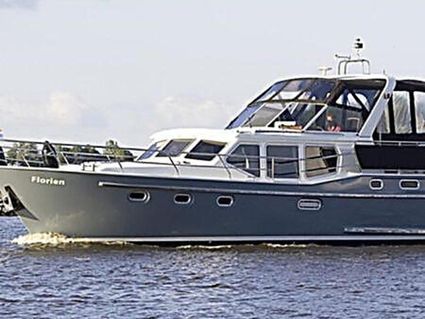
Bootverhuur Hospes - Motorjacht Julia
Bootverhuur Hospes - Motorjacht Julia Sneek
Direct boekbaar
-
Minicamping 'De Vasthi-hoeve'
Minicamping 'De Vasthi-hoeve' Gersloot
-
Camping de Bearshoeke - Vakantiehuis Foarn
Camping de Bearshoeke - Vakantiehuis Foarn Oudega (gemeente Súdwest-Fryslân)
Direct boekbaar
-
Cocoon Conceptstore
Cocoon Conceptstore Akkrum
-
Jantje Slot Hoeve
Jantje Slot Hoeve Oosterzee
Direct boekbaar
-
Ooievaarsdorp 'De Graverij'
Ooievaarsdorp 'De Graverij' Akmarijp
-
Piaam State
Piaam State Piaam
-
Moai fuort
Moai fuort Grou
-
De Jongens van Outdoor
De Jongens van Outdoor Appelscha
-
Ottenhome Heeg- boten - Linssen Grand Sturdy 33.9
Ottenhome Heeg- boten - Linssen Grand Sturdy 33.9 Heeg
Direct boekbaar
-
Museum De Tiid
Museum De Tiid Bolsward
Direct boekbaar
-
Aquacamping en Jachthaven de Rakken
Aquacamping en Jachthaven de Rakken Woudsend
-
Occupation of the Blesse bridge by the NBS
On 8 April 1945, the words "The bottle is empty" sounded on Radio Orange. This code message was the go-ahead for the resistance to start putting bridges, roads and railway lines out of order thirty-six hours later. The Frisian resistance answered this call en masse.
As soon as the Allied vanguard drew near, the armed resistance was also deployed to support their advance. And that sometimes meant that there were also bridges that had to be occupied rather than deactivated. One such action took place in the municipality of Weststellingwerf.
On 12 April 1945, the Canadian vanguard approached the village of De Blesse. The local section of the Dutch Domestic Armed Forces (NBS) was instructed by the resistance leadership to scout the railway bridge and road bridge (the Blesse bridge) over the Linde and, if possible, to occupy them.These bridges were important for maintaining the speed of the Canadian advance. Partly for this reason, they were also often guarded by German soldiers. In most cases, the bridges were also fitted with explosives. This allowed the bridge to be blown up if the Germans eventually had to retreat.
The reconnaissance revealed that the Blesse bridge was guarded by a total of about 10 soldiers. The NBS then decided to attack the bridge from two sides in the evening. Thanks to several aerial arms drops, the resistance fighters were well armed. In the dark, the men set off and split up into three groups. They eventually took up posts north and south of the bridge. The plan was to storm the bridge at two in the morning from the south.To their surprise, their fire was not returned as they approached the bridge. The guards appeared to have disappeared. With that, the bridge had unexpectedly fallen into the hands of the NBS without bloodshed. Moreover, no explosives were found to be affixed to bridge. After the bridge was secured, it was guarded until the Canadians arrived.
News of the occupation of the bridge was reported to the section commander the same night. And through other means of communication, the news also reached the Canadians. Holding the bridge facilitated and accelerated the Canadians' advance later in the day.
De Blesse
-
Poppebeam tree at Jubbega
Poppebeam tree at Jubbega Jubbega
-
Sculpture Centre Koudum
New
Koudum -
Fortuna Vlieland
Fortuna Vlieland Oost-Vlieland
-
Iselmar Sporthotel - Standaard hotelkamer
Iselmar Sporthotel - Standaard hotelkamer Lemmer
Direct boekbaar
-
Heavy shelling on Pingjum
After the liberation of Sneek on April 15, 1945, Canadian troops advanced to the Afsluitdijk. The Frisian resistance advised against the attack. It remembered the May days at the beginning of the war in 1940.
After the Canadians had been festively welcomed in Leeuwaren, it was important to advance quickly to Franeker to prevent the last escape option of the Germans over the Afsluitdijk and the IJsselmeer. The attack against the Afsluitdijk was launched from the southeast on 16 April, but the tanks of the Queens Own Rifles soon ran into the strong German defenses.
After that, the village of Wons was surrounded, but the Germans defended themselves very fanatically at Pingjum. There were many snipers and the Canadians were fired on from the farms. Allied fighters and artillery were deployed to break the German resistance. During the shelling, five farms went up in flames, six civilians, one Canadian and 46 Germans were killed. On April 18, 1945, the Canadians were able to report that the entire area had been cleared of enemies.
Pingjum