Locations
793 to 816 of 2959 results
-
VVV Hindeloopen - Eleven Cities Stamp Station
VVV Hindeloopen - Eleven Cities Stamp Station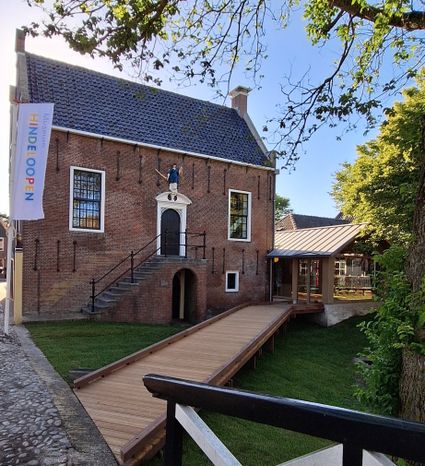
-
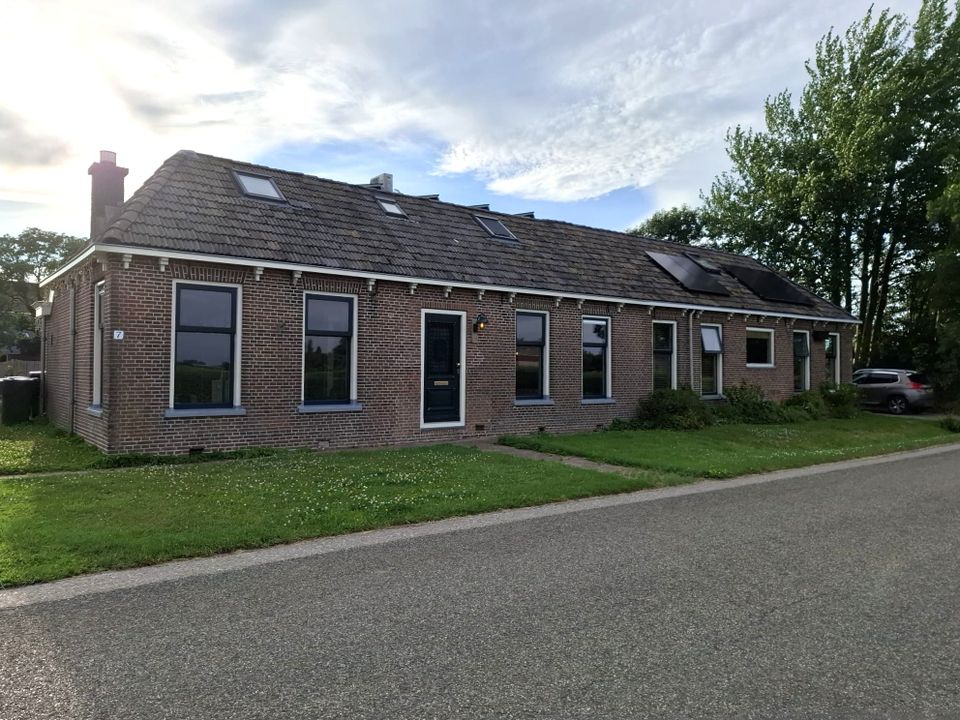
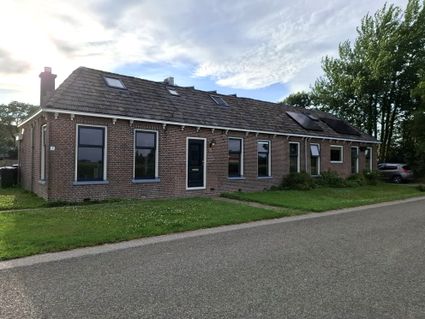
Workers' cottages Wijnaldum
Workers' cottages Wijnaldum
The characteristic head-neck-barn farmhouses along the Foarryp were established in the 17th century as independent farms on the fertile marine clay. The nearby workers' cottages are a reminder of the many hands needed for mixed farming, combining arable crops with livestock.
Following the construction of the sea dikes, farms were built outside the terps. The fertile marine clay made mixed farming possible, with both livestock and arable cultivation. These characteristic head-neck-barn farmhouses were largely self-sufficient and provided employment for both resident and non-resident farm workers.
-
-
It Flinkeboskje - Vakantieboerderij it Flinkeboskje
It Flinkeboskje - Vakantieboerderij it Flinkeboskje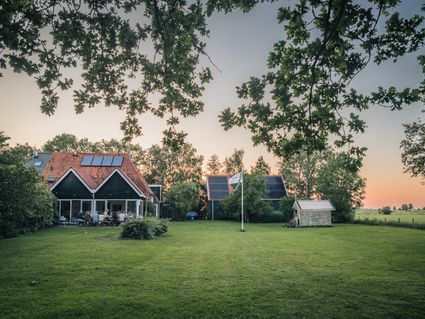
Book now
-
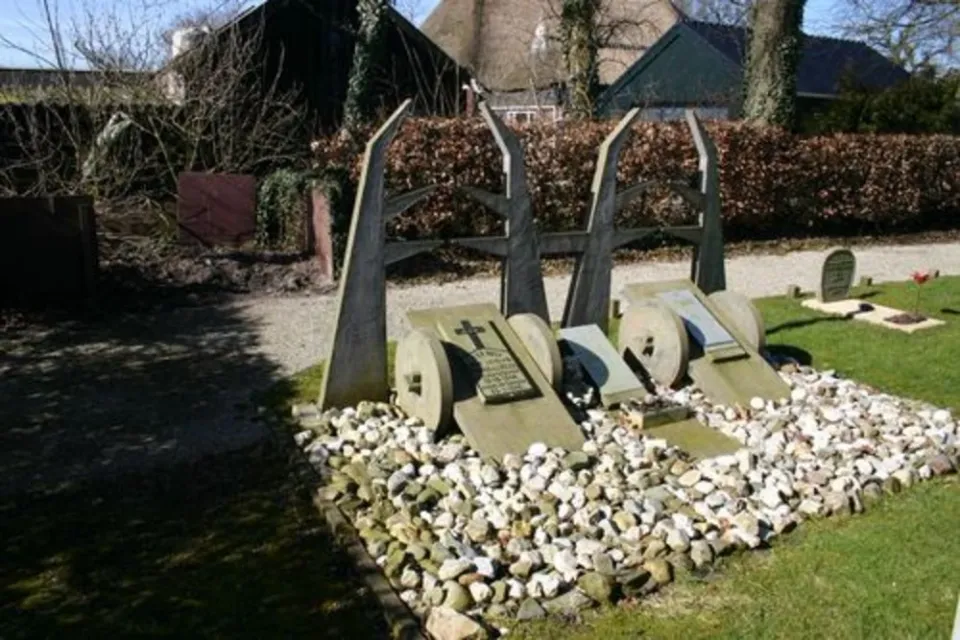
Seventy evacuees from Arnhem and Limburg
Seventy evacuees from Arnhem and Limburg
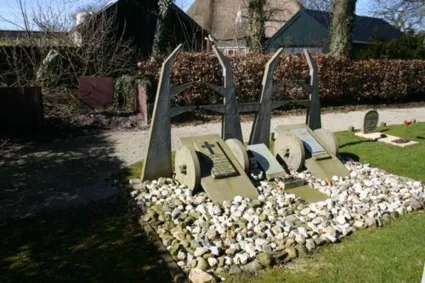
The grave monument in Gytsjerkwas erected in memory of Maria v/d Heuij. Maria was one of seventy evacuees from Arnhem and Limburg who arrived in Gytsjerk on 22 January 1945. Maria died a day later, just a few months old. The harsh conditions during the trip had proved fatal to her. Maria did not live to see the liberation. Fortunately, many of the other evacuees with whom she undertook the journey did.
Symbolism
The monument's spiritual father, artist Klaas Bokma, chose two carts because this was the means of transport often used by evacuees. The four withered trees symbolise death. The cross is not only a symbol of the Christian faith, but also a reminder of the sacrifice made by war victims for a life of freedom.
The oldest pupils of Ichtus and Thrimwalda primary schools take care of this monument.
-
-
Public toilet on Sudergoweg in IJlst
Public toilet on Sudergoweg in IJlst
-
B&B 7de Hemel - Magnolia
B&B 7de Hemel - Magnolia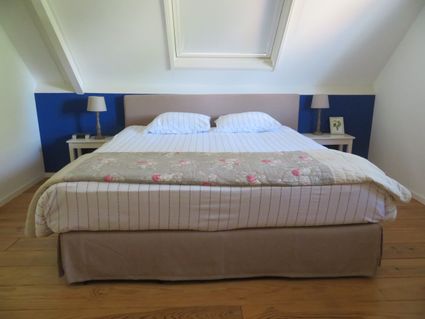
Book now
-
Kaats Museum
Kaats Museum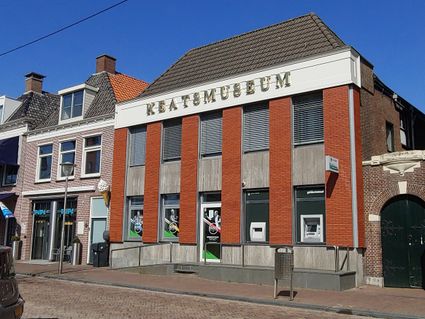
-
Noordwolde the first village to be liberated by land
Noordwolde the first village to be liberated by land
In the evening of 11 April 1945, units of the Canadian Reconnaissance Regiment Royal Canadian Dragoons arrived at Dwingeloo, just before the so-called Frieslandriegel. This line of defence had been constructed shortly before by the work of many Dutch forced labourers. However, the line was hardly occupied and eventually turned out to be incorrectly constructed.
The Dragoons' task was to scout the road well ahead of the rest of the Canadian units. And they noted that the Germans in this area were barely able to defend themselves effectively. Partly for this reason, it was decided on 11 April that units of the 3rd Canadian Infantry Division and supporting units would make a jump to Leeuwarden in the following days. If the Frisian capital and possibly the rest of Friesland could be taken, the Germans would be trapped in the western part of the Netherlands. After all, large parts of Overijssel and Gelderland had also been liberated at this point.
The infantry had to advance through Zwolle, Meppel, Steenwijk, Heerenveen to Leeuwarden. To get them to Leeuwarden as soon as possible, all kinds of extra vehicles had been arranged. Meanwhile, the Royal Canadian Dragoons, and not much later another reconnaissance regiment, the Duke of York´s Royal Canadian Hussars, would enter Friesland to scout the planned main route there. And to create as much chaos as possible among the German defenders.Thanks to the citizens of Dieverbrug in Drenthe, an emergency bridge was built over the Drentse Hoofdvaart canal so that the Canadian vehicles could advance to Friesland. Then, on the morning of 12 April, the Dragoons were the first Canadian land unit to enter the province of Friesland. The village of Noordwolde was the first to be liberated.
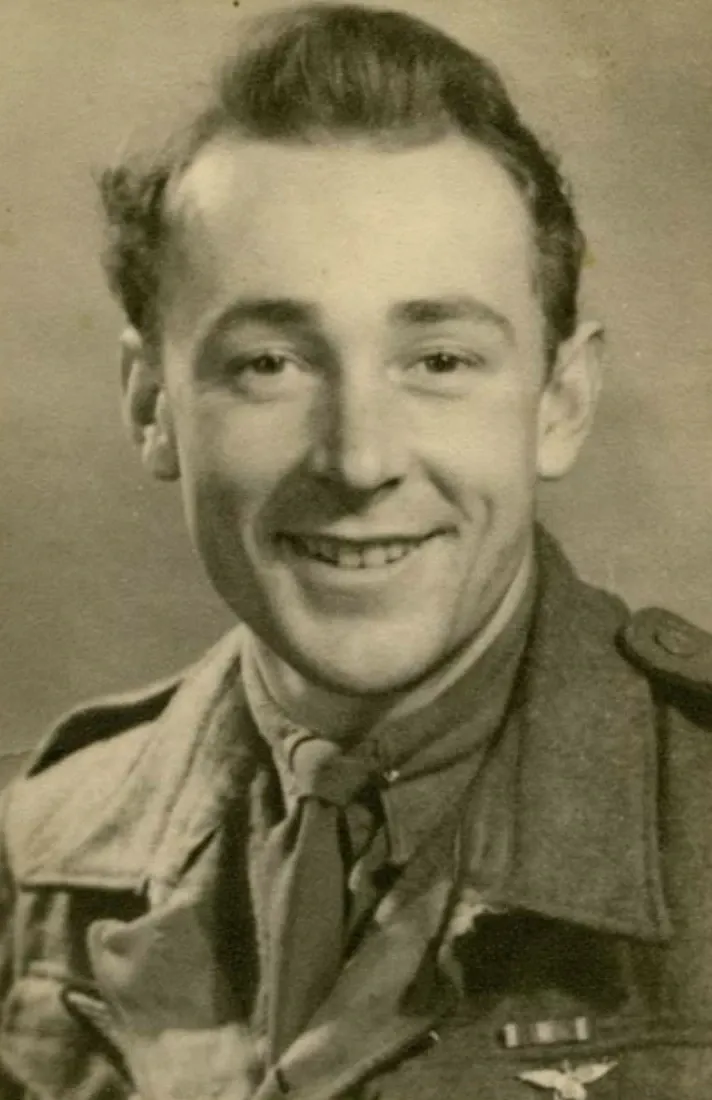
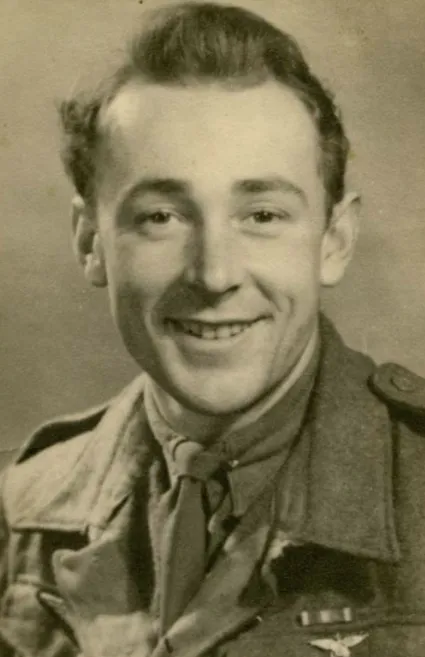
Although this first Frisian village could be taken without a fight, there was brief fighting immediately north of Noordwolde. About twenty Germans and Dutch accomplices tried to delay the Canadians. After a short fight, the Germans fled the scene, leaving all their equipment behind. Others, including ten Dutch accomplices of the Landwacht and Ordnungspolizei, were captured.But the very first liberators to set foot on Frisian soil were French SAS paratroopers from the 3e Régiment de Chasseurs Parachutistes. Just over 700 of them were dropped over Drenthe and south-east Friesland on the night of 7 to 8 April. Their mission was to support the Allied ground operation. They did so by creating chaos behind German lines, capturing bridges, and carrying out all kinds of operations together with the resistance. They had to keep this up until the Canadian ground units reached them. A small proportion ended up at Appelscha and Haulerwijk and carried out their assignments there. In the performance of these assignments, 21-year-old Chasseur de 2e Classe (Private 2nd Class) Henri Pintaud was killed on 8 April.
-
-
Bij de Genieterij
Bij de Genieterij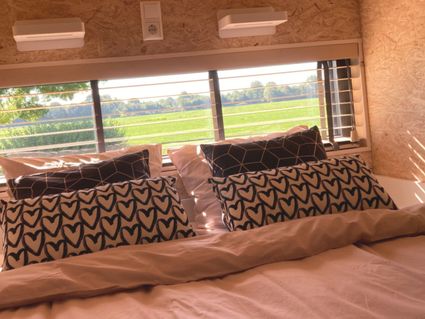
-
Camping Hindeloopen
Camping Hindeloopen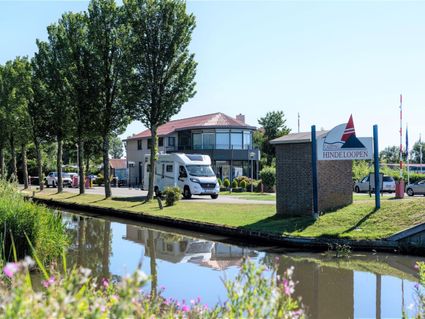
-
Lutz Watervilla's - Wettervilla Tsien
Lutz Watervilla's - Wettervilla Tsien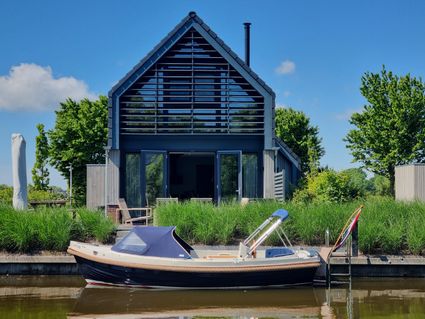
Book now
-
11Fountains Dokkum
11Fountains Dokkum
-
Pancake train
Pancake train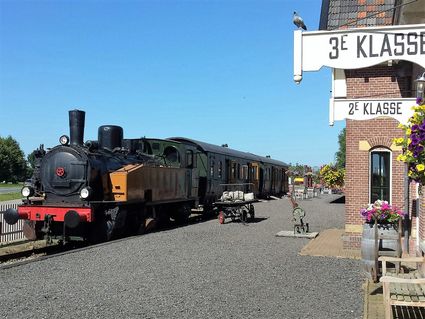
-
SurfSpot Lauwersmeer - Oostmahorn
SurfSpot Lauwersmeer - Oostmahorn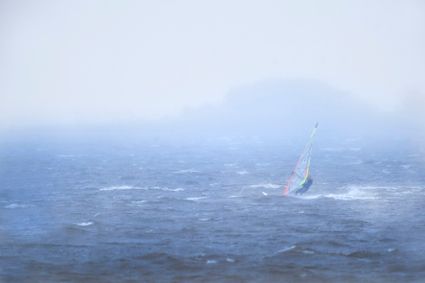
-
Vakantiehuis Genereus
Vakantiehuis Genereus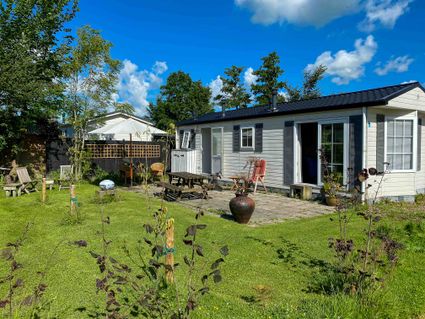
-
de Markestee - de Markestee
de Markestee - de Markestee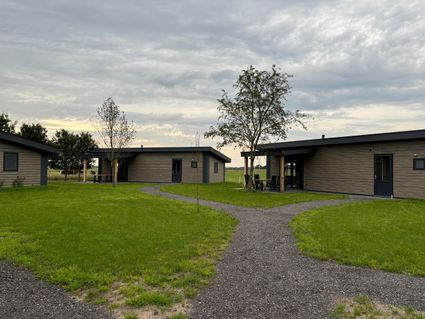
Book now
-
Logement Hartje Leeuwarden
Logement Hartje Leeuwarden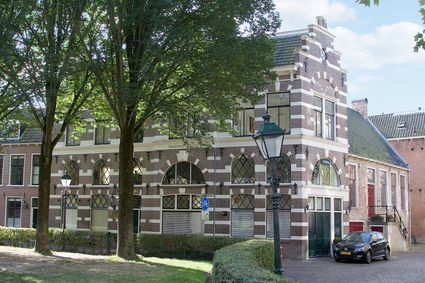
-
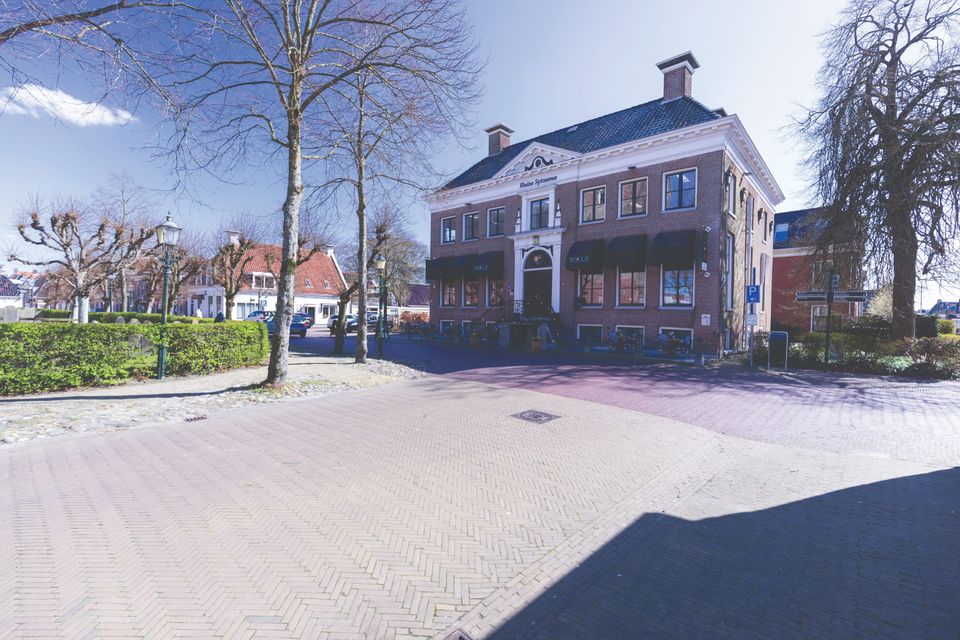
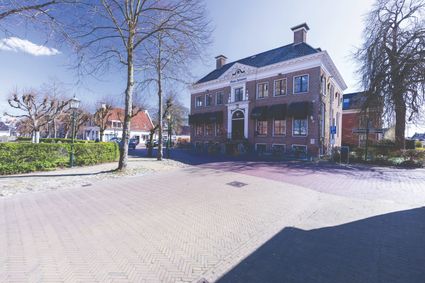
Sytzama House
Sytzama House
What is now a grand café has a history closely connected with local government, the Second World War, and Baron Willem van Sytzama, the building's first owner, after whom it is named.
In Van Sytzama's time, there were very few buildings nearby. Instead, a large landscaped garden with extensive ponds stretched out behind the house. Baron Willem van Sytzama believed he was happily married to Cecilia van Heemskerk, but she left him for another man. Although the baron took legal action in an attempt to prevent the separation, he was unsuccessful. She never returned, and he never remarried. In later years, however, the building served as Kollum's town hall, where hundreds of marriages were celebrated.
During the Second World War, Mayor Gerben Feitsma was sworn into office in this building. The ceremony took place with prominent displays of flags and the Nazi salute. For that reason, Feitsma is often described as an NSB (Dutch National Socialist Movement) mayor. At the same time, there is evidence that he occasionally helped prevent residents of Kollum from being sent to Germany for forced labour by employing them on his farm. Because of his wartime record, his name is not always included in historical accounts.
His brother, Jan Feitsma, became notorious for a different reason. As Prosecutor General, he ordered signs reading "Jews Forbidden" to be displayed throughout the occupied Netherlands. The policy caused considerable controversy in Kollum during the war. The local tennis club preferred to close its courts rather than display such a sign. In early 1945, Jan Feitsma was shot dead by members of the Dutch Resistance. His funeral in Kollum was attended by numerous members of the SS.
-
-
Yachtcharter De Drait Drachten - Impression Drait 72 & 73
Yachtcharter De Drait Drachten - Impression Drait 72 & 73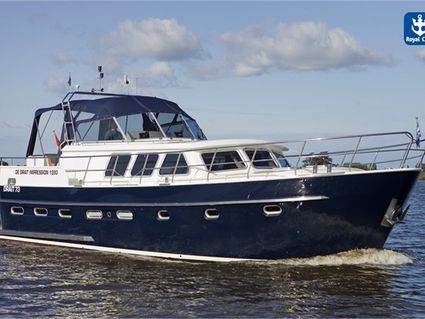
Book now
-
Information Point Makkum (Hotel Vigilante)
Information Point Makkum (Hotel Vigilante)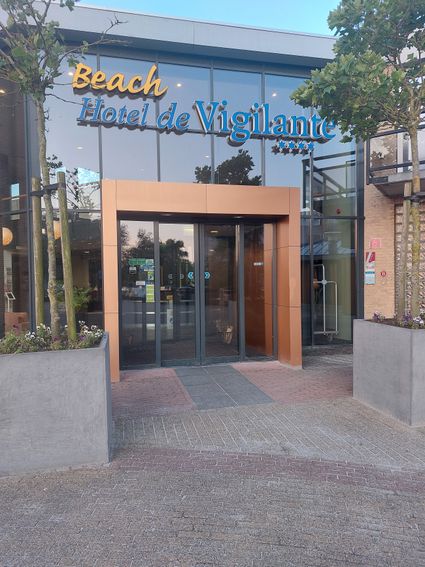
-
Paviljoen De Branding
Paviljoen De Branding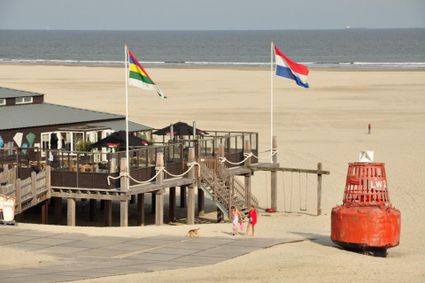
-
Strandje bij de Fluessen
Strandje bij de Fluessen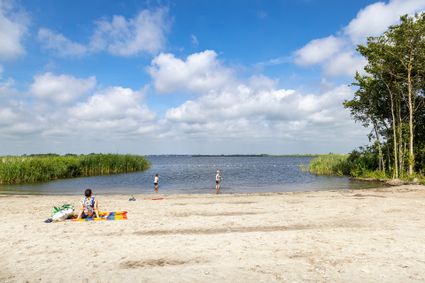
-
Wad en Loft
Wad en Loft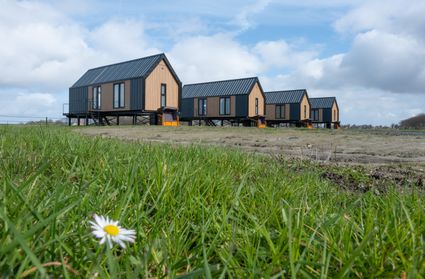
-
Watervillapark Idskenhuizen - Grutte Pier
Watervillapark Idskenhuizen - Grutte Pier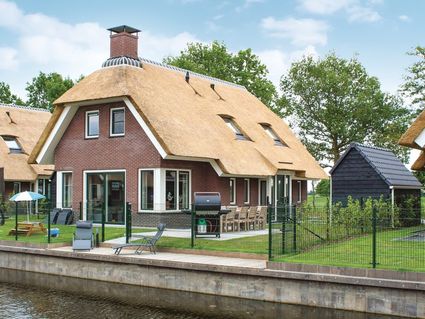
Book now