Locations
529 to 552 of 2467 results
-
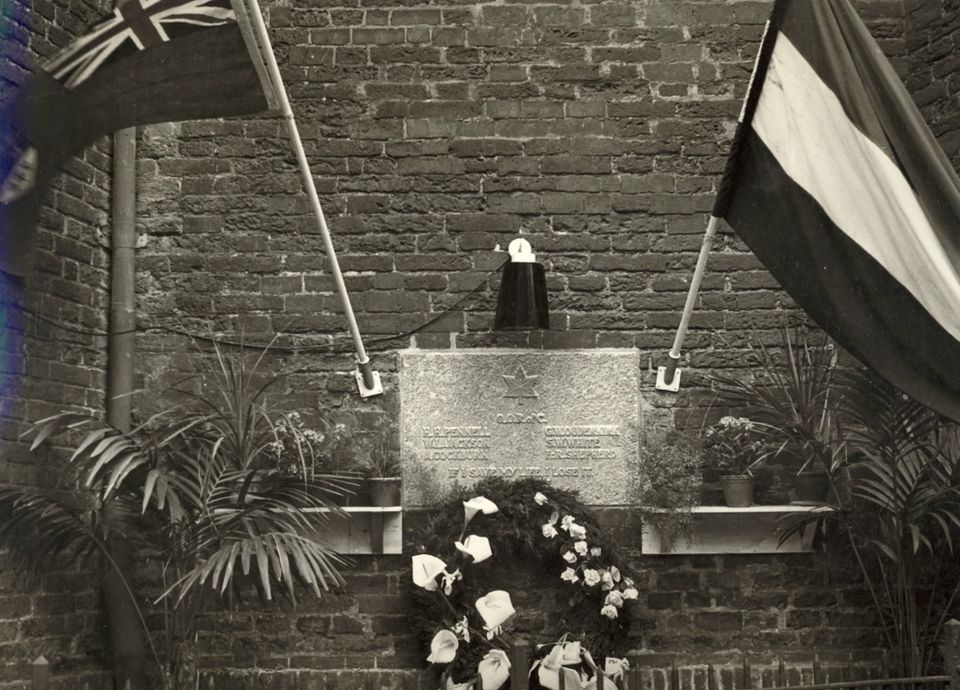
Memorial stone for Fallen Canadians
Memorial stone for Fallen Canadians
Sunday 15 April 1945, Friesland's official liberation day, was also the day Sneek welcomed the Canadian liberation forces. It had been an exciting day, and the Dutch Domestic Armed Forces (NBS) had fought quite a battle with the occupiers.
A day earlier, German troops had begun to withdraw from Sneek and the NBS had tried to hinder their retreat along the Leeuwarderweg as much as possible. Until a column of German parachute troops had entered the fray and forced the NBS to retreat.
The Waag building in the middle of the city centre was used as a weapons cache by the occupying forces during the war. To prevent it from falling into Allied hands, the fleeing troops set it on fire at around three o'clock on Sunday. Loud explosions and bangs resounded throughout the city for half an hour.
Once the enemy had left the city, the NBS operatives gathered at the HBS school for instructions and the distribution of weapons and armbands. They went into the city to round up traitors. Then, rumour had it that hundreds of German soldiers were on their way to Sneek from Lemmer. Immediately, fortifications were built at the Water gate.
Canadian units were alerted. They were now in possession of the latest defence plans for Sneek thanks to NBS intelligence and were advancing from Joure towards the town.
In the evening around half past seven, the first patrol of the Canadian infantry battalion Le régiment De La Chaudière rode into town with flame-throwers and machine guns. The German troops stayed away, and the full Canadian battalion followed.
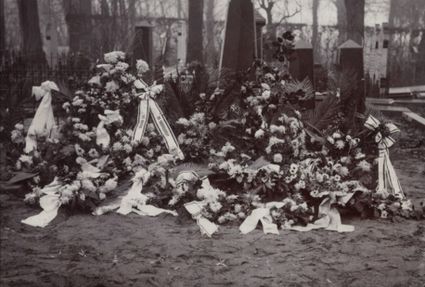
Sneek was liberated, but freedom was not yet guaranteed as German troops tried to escape via the Afsluitdijk towards Friesland. The Canadian Regiment of the Queens Own Rifles moved through Sneek to the Afsluitdijk and fiercely fought at Wons. Six Canadian soldiers were killed. They were temporarily buried at Sneek General Cemetery. In 1946, they were reburied at the Canadian Field of Honour in Holten.
Canadian guests
While waiting to return to their homeland, hundreds of Canadian soldiers were lodged with families in Sneek for about five months. On 1 June, the Perth Regiment arrived in the town, which they temporarily renamed Stratford. They were involved in the liberation of Groningen. A committee was set up to entertain the soldiers with various activities. From dances to sailing competitions and special church services.Cordial ties developed between the liberators and the people of Sneek. And sometimes more than that. For Gordon C. Compton and Atty Bouma, one could even speak of "love at first sight". When the last soldiers return home at the end of November, Gordon decided to stay in the Netherlands. On 9 May 1946, he married Atty in Sneek. Not long after, Gordon and his "war bride" left for Canada.
Several monuments in the city recall the special bond with the Canadian military, which remains very close to this day.
-
-
Ambush at Oldeholtpade
Ambush at Oldeholtpade
On 12 April, the bridge over the Tjonger in Mildam fell into the hands of the Royal Canadian Dragoons reconnaissance regiment. Because the occupier had blown up many other bridges, the Canadians attached great importance to preserving this bridge for the crossing of other Canadian units. That is why dozens of armoured cars, mobile artillery guns and numerous other vehicles were sent to Mildam that day to reinforce the bridgehead over the Tjonger.
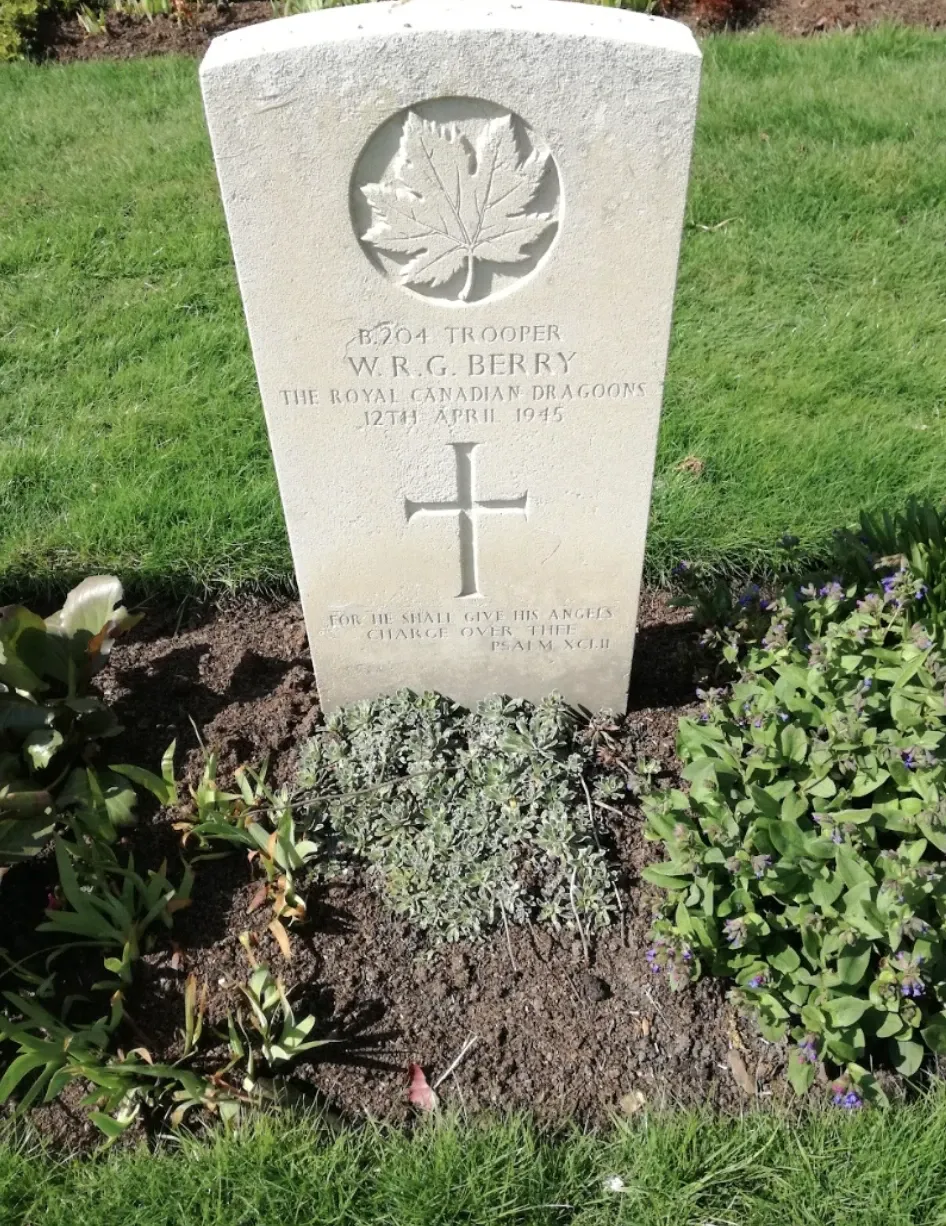
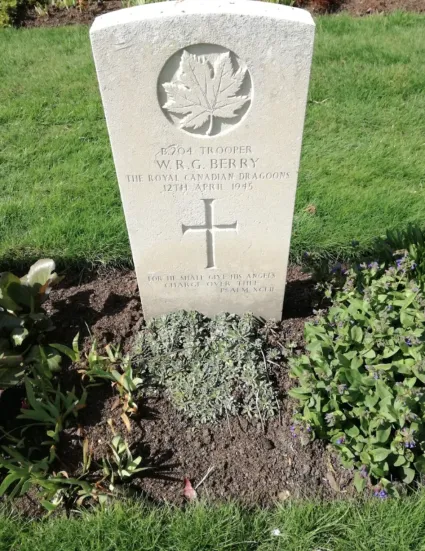
In one of those armoured cars, a Staghound, was 24-year-old Trooper Wilfred Robert George Berry from Ontario. The young Canadian had volunteered for military service in Europe. And had already fought with the Royal Canadian Dragoons in Italy. At the end of February 1945, they were transferred to Northwest Europe.
For Berry, the war ended in Friesland. In Oldeholtpade, on the road to Wolvega, his vehicle drove into an ambush along with at least one other Staghound. In the vicinity of a broken-down German car, German soldiers had hidden with Panzerfausts. The Panzerfaust was a very powerful and easy-to-use anti-tank weapon. The first shot missed, but the second projectile hit the front Staghound, on the side where driver Wilfred Berry was sitting at the time.2 The Staghound went off the road and overturned. The three other crew members got injured, but were able to leave the vehicle and took cover behind the second Staghound. One of them stated:
"[…]Flames burst through the turret, where the officer and I were half in and half out of the hatches. Any skin surface not covered was burned and the flames badly singed our eyebrows, eyelashes, moustaches and hands, sending me and the officer both wounded to the field hospital."3
Immediately after the first Staghound was hit, the second Staghound opened fire on the Germans. Seriously injured, Wilfred Berry remained in the vehicle. After about fifteen minutes of shooting back and forth, the other Staghounds retreated towards Oldeberkoop. The exact reason for this remains unclear. Berry was already dying and was briefly cared for by the elderly Andriesje Dekker-Oosterhof in the vehicle when the shooting had stopped. The tragedy had unfolded right in front of her house. He died in the wreck shortly afterwards.
Berry's remains were eventually transferred to the farm on "De Bult" in Oldeberkoop and buried there. After the war he would be reburied at the Canadian war cemetery in Holten. The other crew members were eventually able to return to their units after receiving medical treatment. The commander only had burns on his face.
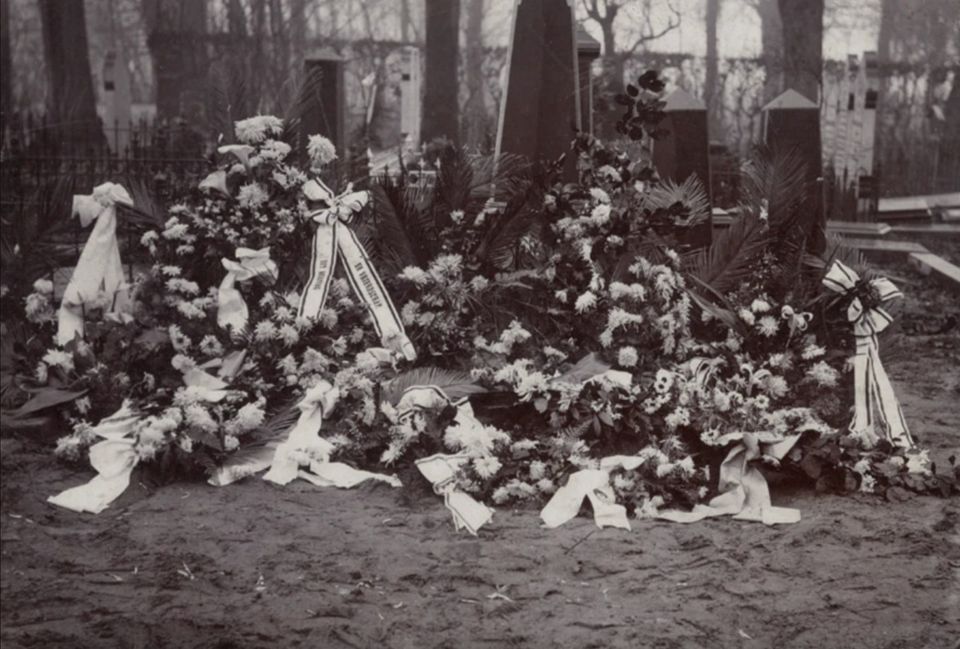
The event made a deep impression on the inhabitants of Oldeholtpade. In 1945, a monument to Berry was erected. And in 1965, a street was named in his honour.
-
-
Martini church
Martini church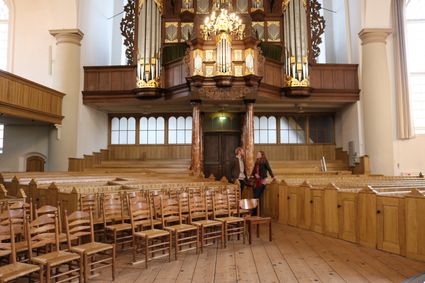
-
Pand 99
Pand 99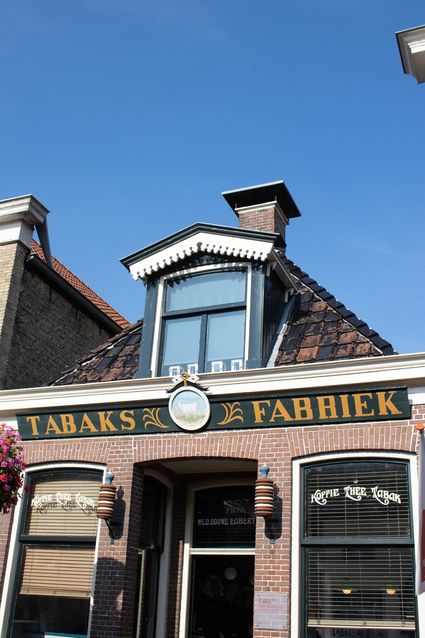
-
Gates of Light
Gates of Light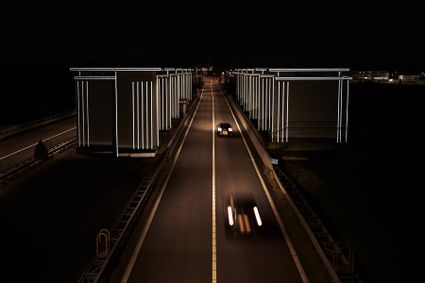
-
Weids uitzicht nabij Tjeukemeer
Weids uitzicht nabij Tjeukemeer
Book now
-
Eysinga State - Standaard kampeerplaats
Eysinga State - Standaard kampeerplaats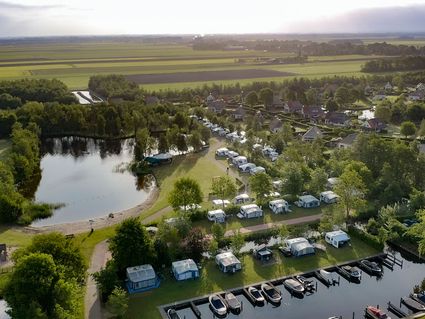
Book now
-
Zeilschool Neptunus - het Dorpshuis
Zeilschool Neptunus - het Dorpshuis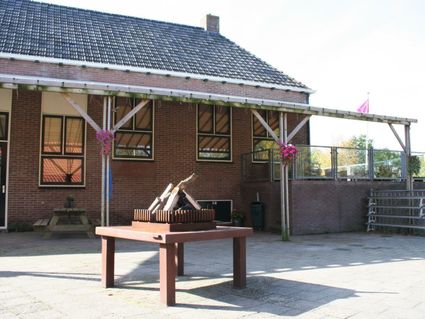
Book now
-
Filmhuis Stiens
Filmhuis Stiens
-
Reidswâl
Reidswâl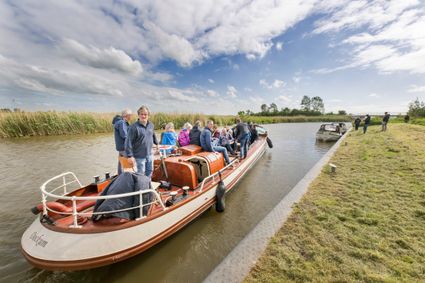
-
Sint Nicolaasga (Sint Nyk)
Sint Nicolaasga (Sint Nyk)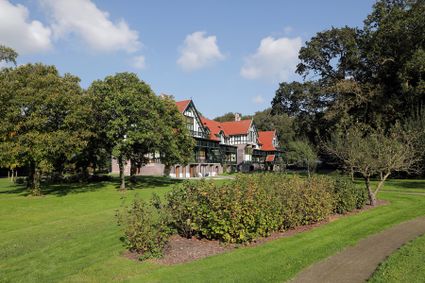
-
Paviljoen SALT
Paviljoen SALT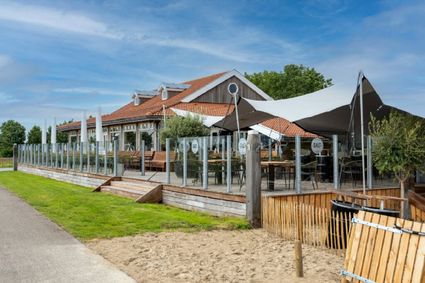
-
Camping "De Kiekduun"
Camping "De Kiekduun"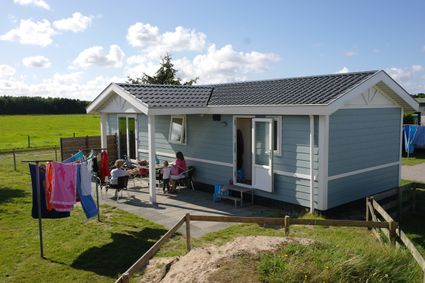
-
Rode Klif (Red Cliff) at Lake IJsselmeer
Rode Klif (Red Cliff) at Lake IJsselmeer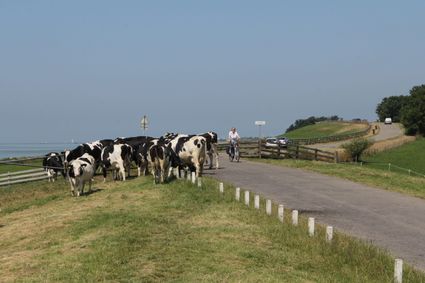
-
Sloten (Sleat)
Sloten (Sleat)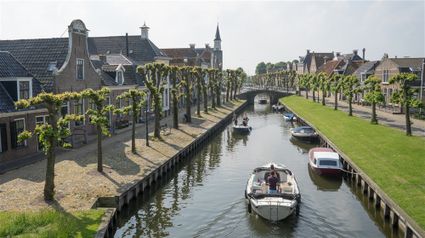
-
Tourist Information point Oudega
Tourist Information point Oudega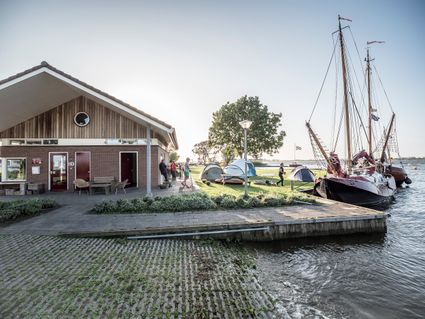
-
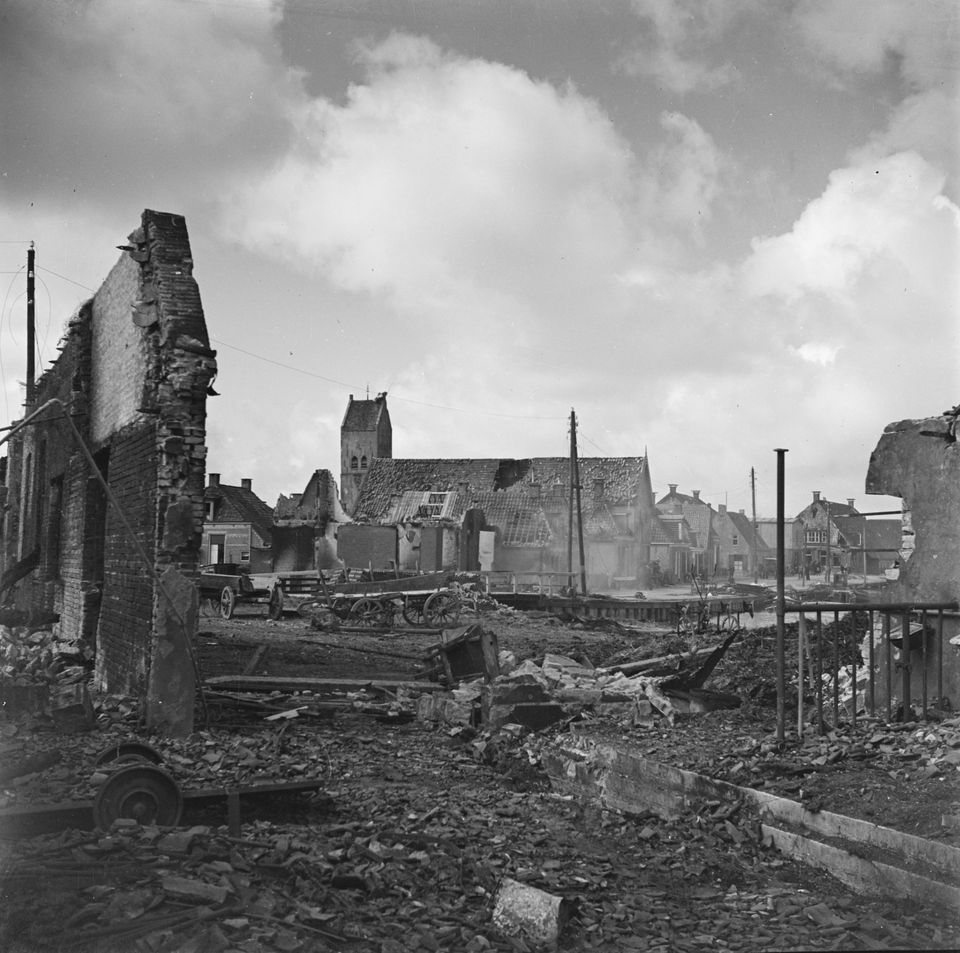
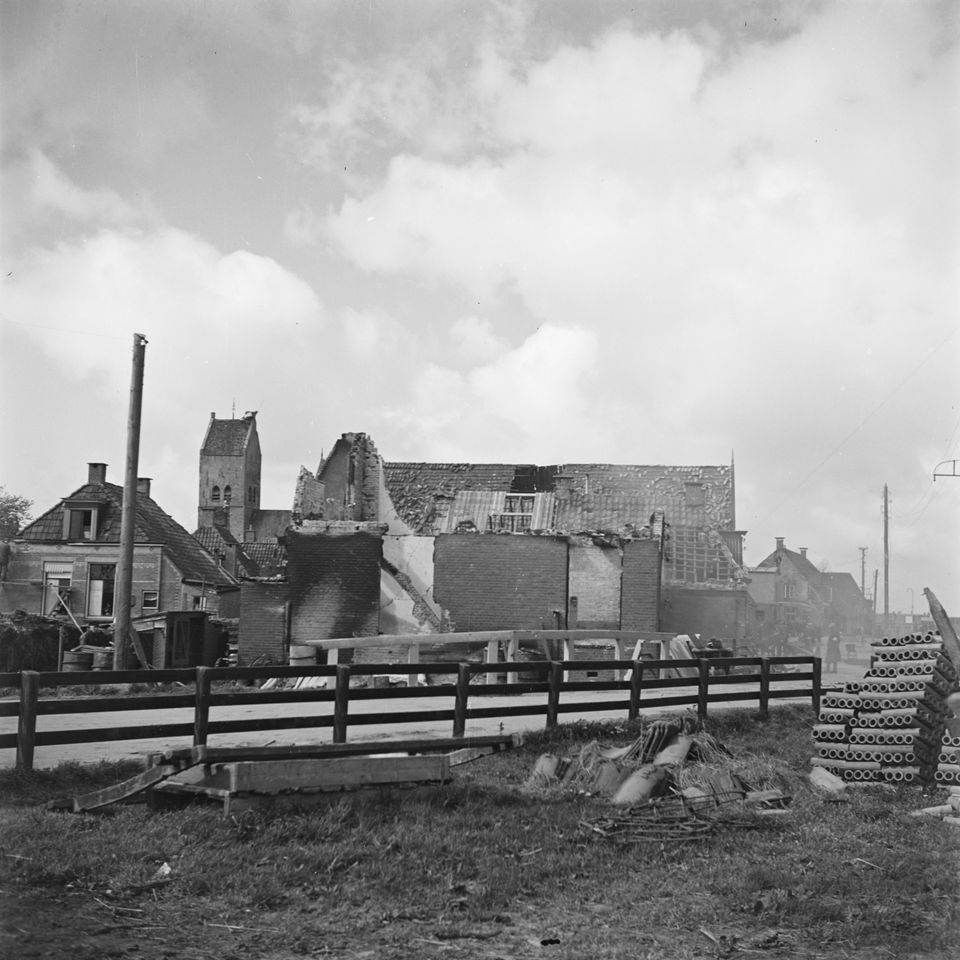
Heavy shelling on Pingjum
Heavy shelling on Pingjum
After the liberation of Sneek on April 15, 1945, Canadian troops advanced to the Afsluitdijk. The Frisian resistance advised against the attack. It remembered the May days at the beginning of the war in 1940.
After the Canadians had been festively welcomed in Leeuwaren, it was important to advance quickly to Franeker to prevent the last escape option of the Germans over the Afsluitdijk and the IJsselmeer. The attack against the Afsluitdijk was launched from the southeast on 16 April, but the tanks of the Queens Own Rifles soon ran into the strong German defenses.
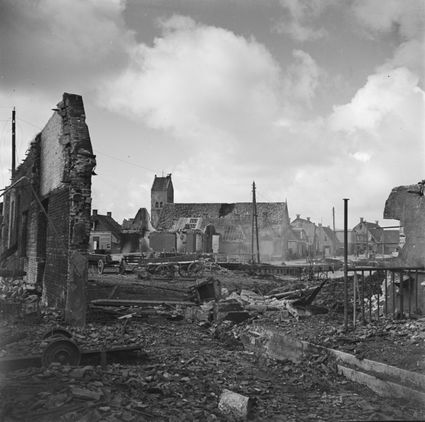
After that, the village of Wons was surrounded, but the Germans defended themselves very fanatically at Pingjum. There were many snipers and the Canadians were fired on from the farms. Allied fighters and artillery were deployed to break the German resistance. During the shelling, five farms went up in flames, six civilians, one Canadian and 46 Germans were killed. On April 18, 1945, the Canadians were able to report that the entire area had been cleared of enemies.
-
-
Jonas Harlingen
Jonas Harlingen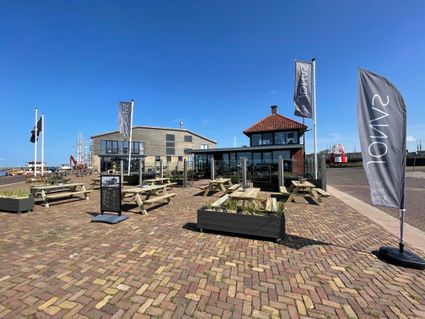
-
Public toilet Workummerdyk in Makkum
Public toilet Workummerdyk in Makkum
-
It Kweade Wiif Fan Hylpen
It Kweade Wiif Fan Hylpen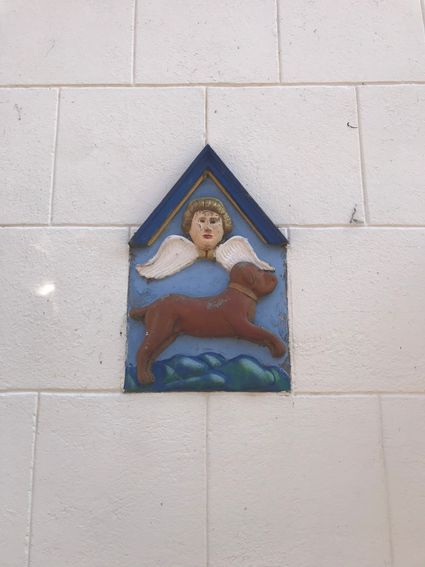
-
Bed & Breakfast Joarum
Bed & Breakfast Joarum
-
Crush Concept Store
Crush Concept Store
-
Pavilion Sjoerd
Pavilion Sjoerd
Sustainability info
-
Nautica Yacht Charter
Nautica Yacht Charter