Locations
697 to 720 of 2764 results
-
Pizzeria ristorante La Gondola
Pizzeria ristorante La Gondola Lemmer
-
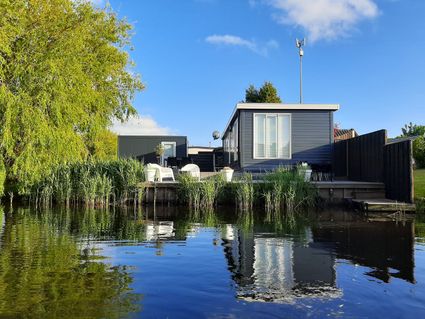
Holiday Home LAVITAeBELLA
Holiday Home LAVITAeBELLA Donkerbroek
-
Het Wapen van Leeuwarden
Het Wapen van Leeuwarden Leeuwarden
-
Boutiquehotel & Grandcafé 't Gerecht
Boutiquehotel & Grandcafé 't Gerecht Heerenveen
-
Stichting Signaal Beheer - Trije Peppels
Stichting Signaal Beheer - Trije Peppels Heeg
-
Information point Lemmer (Ir. D.F. Woudagemaal)
Information point Lemmer (Ir. D.F. Woudagemaal) Lemmer
-
Verblijf bij Bynt
Verblijf bij Bynt Sneek
-
Watertorenhotel Nes
Watertorenhotel Nes Nes (gemeente Heerenveen)
-
Poem 'Graf te Blauwhuis'
The small village of Abbega and the neighbouring hamlet of Abbegaasterketting hid dozens of people in hiding during the war. In February 1945, a raid shocked the small community. Resistance fighter Gerrit Rijpma, 18, was fatally hit in the process. The famous Dutch writer Gerard Reve, who lived next door to a sister of Gerrit Rijpma in nearby Greonterp from 1953 to 1971, was deeply moved by the story of his neighbour's youngest brother. As a tribute to Gerrit, he wrote the poem 'Graf te Blauwhuis'.
According to witnesses, as many people in hiding lived in Abbega and the neighbouring hamlet of Abbegaasterketting as civilians.
Among them were Jewish people in hiding, people who had participated in railway strikes, deserters and young men from the surrounding area who wanted to avoid forced labour. Weapons for the resistance were also hidden there.
Abbegaasterketting was located next to the Bolswardervaart canal, and the absence of paved roads made access difficult. In addition, the inhabitants had implemented an ingenious alarm system: by means of an electric bell, people warned each other when something was wrong, and two people in hiding were on guard every night.
On 8 February 1945, at around half past eleven in the morning, the alarm bell sounded in the Rijpma family home. At that time, the brothers Yp and Gerrit were working in the barn.
When they went outside, they saw a lot of people running away in panic. This is why the brothers decided to sail down the Bolswardervaart, which divides the hamlet in two pieces, in a rowing boat. They hoped that they could get themselves to safety a little bit further on in a bend of the canal, behind the net. On their way there, they picked up their neighbour Minze van der Veen and a person in hiding, who were standing on the other side of the canal. Meanwhile, the German soldiers, aided by members of the Landwacht, a Dutch semi-military organisation, had set off in pursuit and opened fire on the fleeing people. Minze van der Veen was hit in his right elbow. Gerrit was hit three times: one bullet went straight through his body, another lodged in his back, and the third bullet went through his cheeks and teeth. Because the occupiers refused to help, Yp had to carry his dying brother to the boat and take him to a farmhouse nearby all by himself. The help from a woman living in the neighbourhood, who was a nurse, came too late. In great haste, curate Stolwijk of Blauwhuis was sent for, who administered the last rites to Gerrit. He died shortly afterwards. He was buried in the Catholic Cemetery in Blauwhuis.
The famous Dutch writer Gerard Reve, who lived in nearby Greonterp next to a sister of Gerrit Rijpma from 1953 to 1971, was deeply touched by the story of his neighbour's youngest brother. As a homage to Gerrit, he wrote the poem 'Grave in Blauwhuis':
GRAVE IN BLAUWHUIS (for neighbour H., in G.) He ran away, but did not escape, and was hit, and died, eighteen years old. A militant inscription cries out loud, but a sad and silent face looks out from the brown enamelled portrait. Still a child. Goodbye dear boy. You, who are King, of this and that, of whatever, yes, You, answer me, You know why, I don't. That Kingdom of Yours, remember, will it ever be?
In 1983, the mortal remains of Gerrit were transferred from the cemetery of Blauwhuis to Loenen National War Cemetery.
Greonterp
-
Gloria Sailing
Gloria Sailing Langweer
Book now
-
Grand Café De Hofdame
Grand Café De Hofdame Leeuwarden
-
Ottenhome Heeg- boten - Jeanneau Sun Odyssey 349
Ottenhome Heeg- boten - Jeanneau Sun Odyssey 349 Heeg
Book now
-
Beach Resorts Makkum - Appartement Residence Sudersee 4 personen
Beach Resorts Makkum - Appartement Residence Sudersee 4 personen Makkum
Book now
-
Stadslogement De Vooruitgang - Appartement De Geeuw
Stadslogement De Vooruitgang - Appartement De Geeuw Sneek
-
Op`t Skik
Op`t Skik Scharnegoutum
-
Ark
Ark Easterein
-
Friese Meren Villa's - Premium XL Watervilla (pc19)
Friese Meren Villa's - Premium XL Watervilla (pc19) Echtenerbrug
Book now
-
Opende Blotevoetenpad Barefoot Trail
Opende Blotevoetenpad Barefoot Trail Opende
-
City Inn 'Het Wapen van IJlst'
City Inn 'Het Wapen van IJlst' IJlst
-
De Mindfulgids
De Mindfulgids Lemmer
-
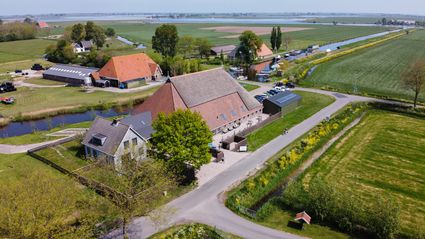
B&B Fries en Fruitig
B&B Fries en Fruitig Nijhuizum
-
De Holle Poarte near Makkum
De Holle Poarte near Makkum Makkum
-
The Former Weigh House
A look at old photographs reveals that the building looks even more attractive today than its predecessor. The people of Kollum have taken good care of this historic landmark. The weigh house was a public building where goods could be officially weighed. Its presence was particularly important for trade in butter and cheese.
A public weigh house in Kollum is first mentioned in the 16th century. That original building stood next to the Rechthuis (courthouse). In 1779, a new weigh house was built here on the Westerdiepswal, at the heart of the bustling waterfront. The wide entrance to the former weighing hall, where two weighing scales were once installed, can still be clearly recognised in the façade.
The pediment above the façade bears the coats of arms and names, added in 1779, of grietman (district magistrate) Martinus van Scheltinga, his deputy Focke Hijlckes Eskes, and Albert Luitjens, who served together with Eskes as church warden. The building was owned by the Dutch Reformed Church, which leased out the weigh house. In 1871 it was sold to a private owner, after which an official weighmaster appointed by the municipality supervised its operation. With the rise of the dairy industry in Friesland, the weigh house gradually lost its function. In 1895, the building was converted into a private residence.
Kollum
-
'The Other Museum', from classic cars to lace
'The Other Museum', from classic cars to lace Leeuwarden