Locations
1321 to 1344 of 2318 results
-
Stadslogies
Stadslogies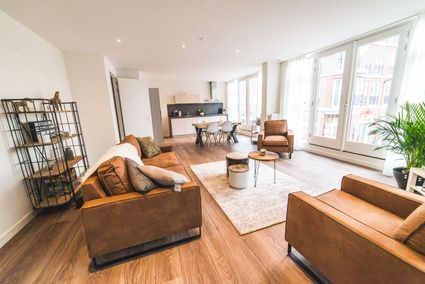
-
The WasWadpad
The WasWadpad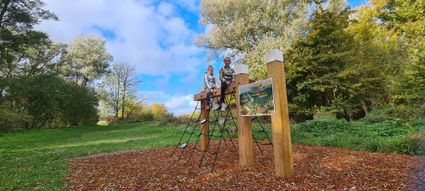
-
Zijda Yachting - Poseidon Elite
Zijda Yachting - Poseidon Elite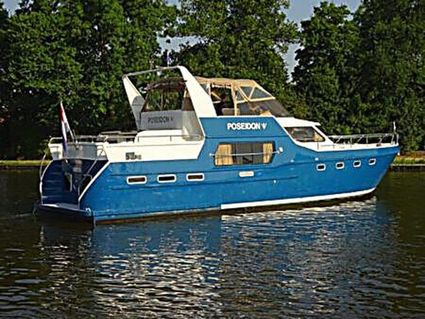
Book now
-
the guesthouse
the guesthouse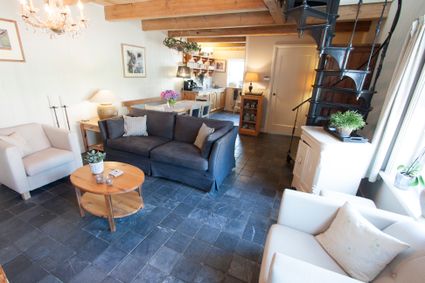
-
Gates of Light
Gates of Light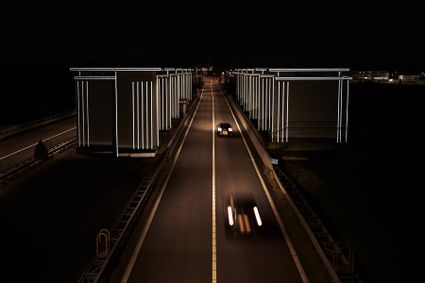
-
City Inn 'Het Wapen van IJlst'
City Inn 'Het Wapen van IJlst'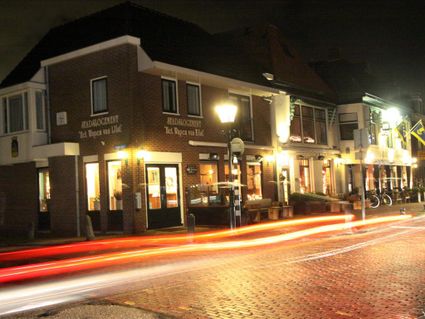
-
Stichting Signaal Beheer - Combi Trije Peppels - de Elzebeam
Stichting Signaal Beheer - Combi Trije Peppels - de Elzebeam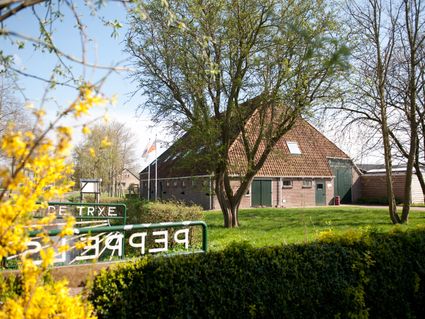
Book now
-
Thai-By-Jai
Thai-By-Jai
-
Welgelegen - Pipo wagen (tweepersoons)
Welgelegen - Pipo wagen (tweepersoons)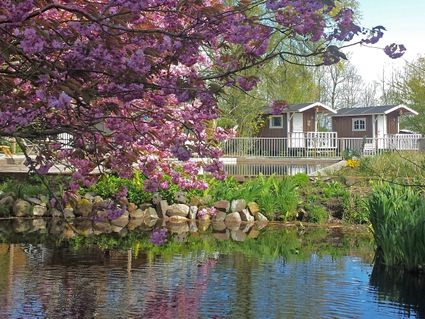
Book now
-
Kitchen workshop Flang in de Pan
Kitchen workshop Flang in de Pan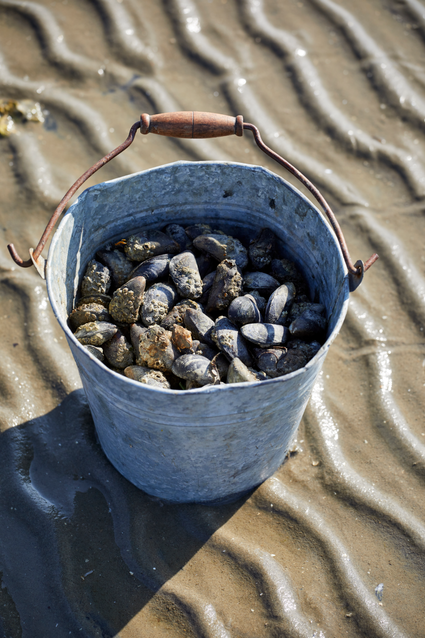
Sustainability info
-
Lutz Watervilla's
Lutz Watervilla's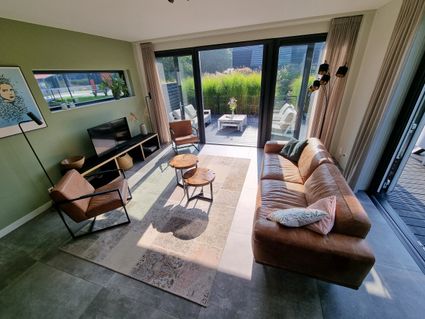
Book now
-
Lutz Watervilla's - Wettervilla Acht
Lutz Watervilla's - Wettervilla Acht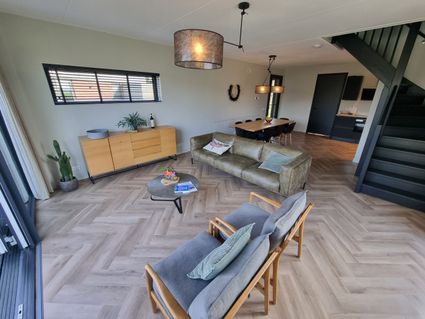
Book now
-
Pancake train
Pancake train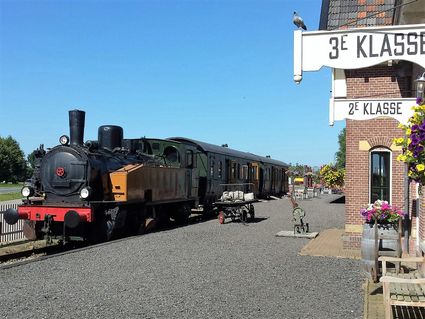
-
Waterherberg It Beaken - Vierpersoons glampingtent
Waterherberg It Beaken - Vierpersoons glampingtent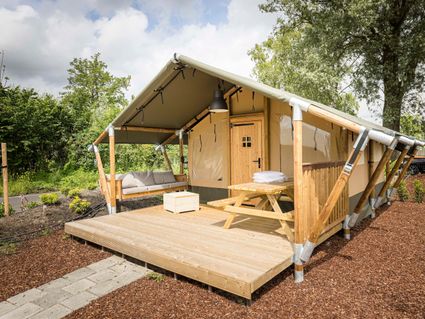
Book now
-
Kitesurfing Spot at Kornwerderzand
Kitesurfing Spot at Kornwerderzand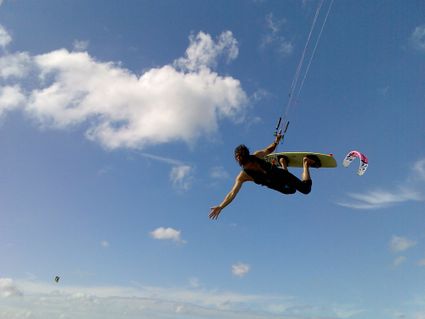
-
De Klinze Country House and Estate
De Klinze Country House and Estate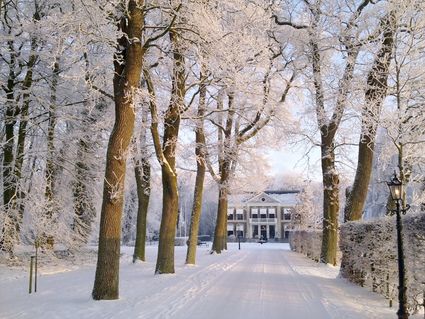
-
Poem 'Graf te Blauwhuis'
Poem 'Graf te Blauwhuis'
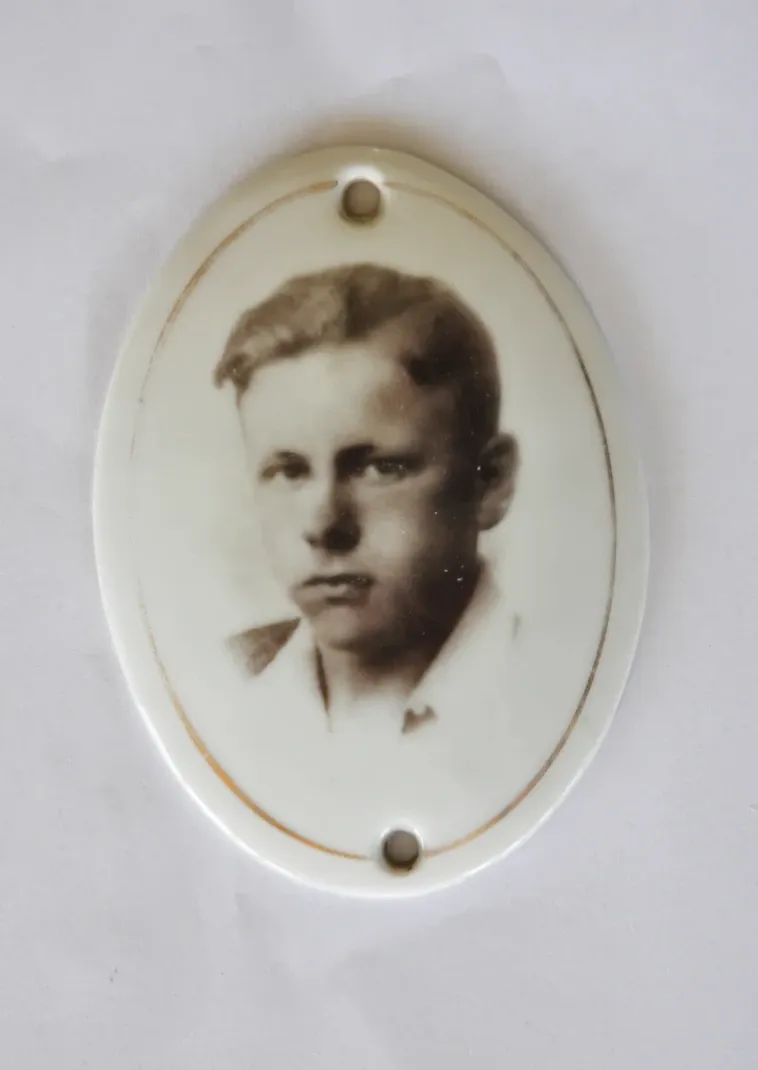
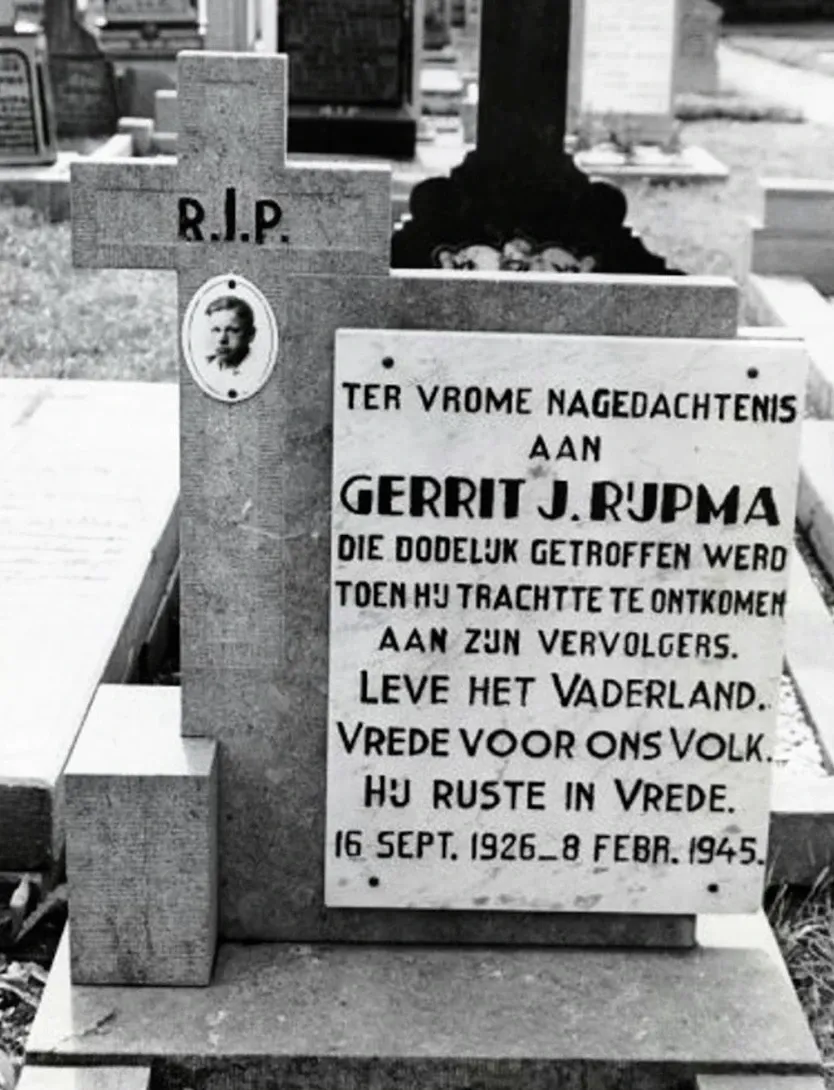
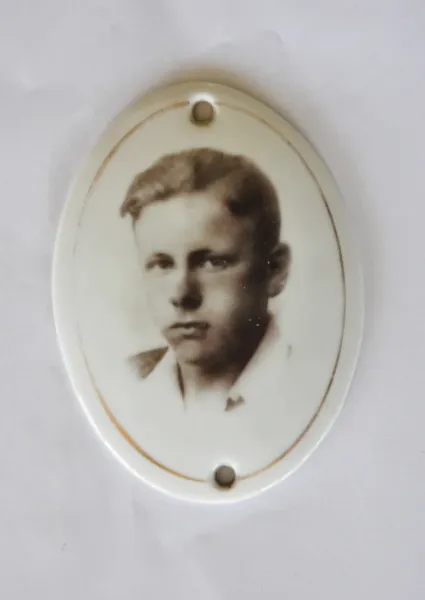
The small village of Abbega and the neighbouring hamlet of Abbegaasterketting hid dozens of people in hiding during the war. In February 1945, a raid shocked the small community. Resistance fighter Gerrit Rijpma, 18, was fatally hit in the process. The famous Dutch writer Gerard Reve, who lived next door to a sister of Gerrit Rijpma in nearby Greonterp from 1953 to 1971, was deeply moved by the story of his neighbour's youngest brother. As a tribute to Gerrit, he wrote the poem 'Graf te Blauwhuis'.
According to witnesses, as many people in hiding lived in Abbega and the neighbouring hamlet of Abbegaasterketting as civilians.
Among them were Jewish people in hiding, people who had participated in railway strikes, deserters and young men from the surrounding area who wanted to avoid forced labour. Weapons for the resistance were also hidden there.
Abbegaasterketting was located next to the Bolswardervaart canal, and the absence of paved roads made access difficult. In addition, the inhabitants had implemented an ingenious alarm system: by means of an electric bell, people warned each other when something was wrong, and two people in hiding were on guard every night.
On 8 February 1945, at around half past eleven in the morning, the alarm bell sounded in the Rijpma family home. At that time, the brothers Yp and Gerrit were working in the barn.
When they went outside, they saw a lot of people running away in panic. This is why the brothers decided to sail down the Bolswardervaart, which divides the hamlet in two pieces, in a rowing boat. They hoped that they could get themselves to safety a little bit further on in a bend of the canal, behind the net. On their way there, they picked up their neighbour Minze van der Veen and a person in hiding, who were standing on the other side of the canal. Meanwhile, the German soldiers, aided by members of the Landwacht, a Dutch semi-military organisation, had set off in pursuit and opened fire on the fleeing people. Minze van der Veen was hit in his right elbow. Gerrit was hit three times: one bullet went straight through his body, another lodged in his back, and the third bullet went through his cheeks and teeth. Because the occupiers refused to help, Yp had to carry his dying brother to the boat and take him to a farmhouse nearby all by himself. The help from a woman living in the neighbourhood, who was a nurse, came too late. In great haste, curate Stolwijk of Blauwhuis was sent for, who administered the last rites to Gerrit. He died shortly afterwards. He was buried in the Catholic Cemetery in Blauwhuis.
The famous Dutch writer Gerard Reve, who lived in nearby Greonterp next to a sister of Gerrit Rijpma from 1953 to 1971, was deeply touched by the story of his neighbour's youngest brother. As a homage to Gerrit, he wrote the poem 'Grave in Blauwhuis':
GRAVE IN BLAUWHUIS (for neighbour H., in G.) He ran away, but did not escape, and was hit, and died, eighteen years old. A militant inscription cries out loud, but a sad and silent face looks out from the brown enamelled portrait. Still a child. Goodbye dear boy. You, who are King, of this and that, of whatever, yes, You, answer me, You know why, I don't. That Kingdom of Yours, remember, will it ever be?
In 1983, the mortal remains of Gerrit were transferred from the cemetery of Blauwhuis to Loenen National War Cemetery.
-
-
Monument Peter Tazelaar
Monument Peter Tazelaar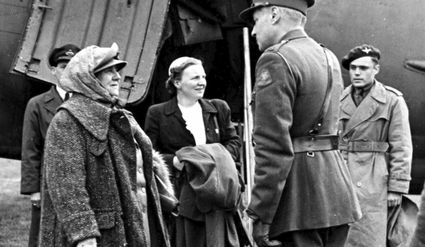
-
Workum Lighthouse
Workum Lighthouse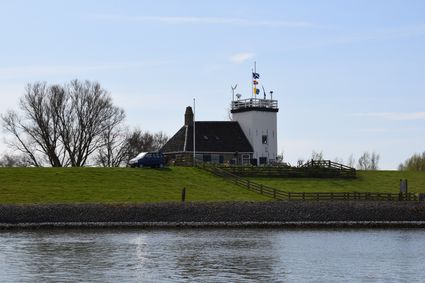
-
Memorial stone for Fallen Canadians
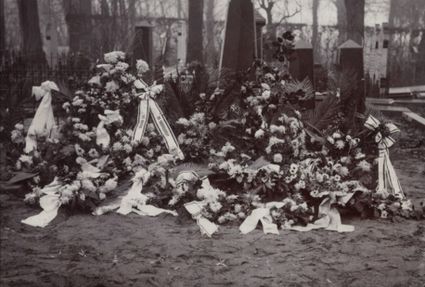
Memorial stone for Fallen Canadians
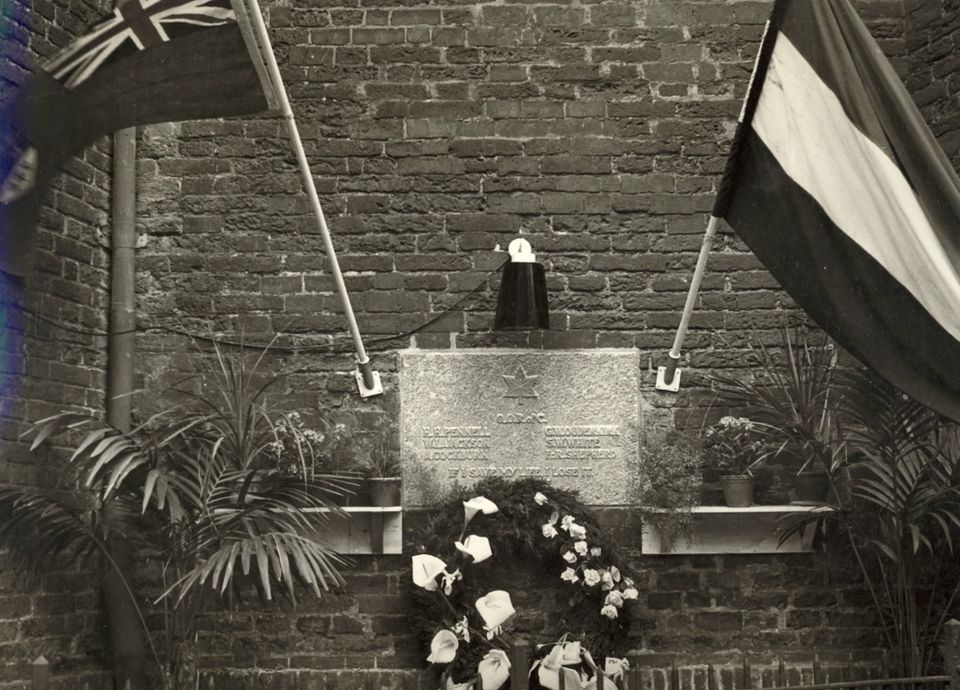
Sunday 15 April 1945, Friesland's official liberation day, was also the day Sneek welcomed the Canadian liberation forces. It had been an exciting day, and the Dutch Domestic Armed Forces (NBS) had fought quite a battle with the occupiers.
A day earlier, German troops had begun to withdraw from Sneek and the NBS had tried to hinder their retreat along the Leeuwarderweg as much as possible. Until a column of German parachute troops had entered the fray and forced the NBS to retreat.
The Waag building in the middle of the city centre was used as a weapons cache by the occupying forces during the war. To prevent it from falling into Allied hands, the fleeing troops set it on fire at around three o'clock on Sunday. Loud explosions and bangs resounded throughout the city for half an hour.
Once the enemy had left the city, the NBS operatives gathered at the HBS school for instructions and the distribution of weapons and armbands. They went into the city to round up traitors. Then, rumour had it that hundreds of German soldiers were on their way to Sneek from Lemmer. Immediately, fortifications were built at the Water gate.
Canadian units were alerted. They were now in possession of the latest defence plans for Sneek thanks to NBS intelligence and were advancing from Joure towards the town.
In the evening around half past seven, the first patrol of the Canadian infantry battalion Le régiment De La Chaudière rode into town with flame-throwers and machine guns. The German troops stayed away, and the full Canadian battalion followed.
Sneek was liberated, but freedom was not yet guaranteed as German troops tried to escape via the Afsluitdijk towards Friesland. The Canadian Regiment of the Queens Own Rifles moved through Sneek to the Afsluitdijk and fiercely fought at Wons. Six Canadian soldiers were killed. They were temporarily buried at Sneek General Cemetery. In 1946, they were reburied at the Canadian Field of Honour in Holten.
Canadian guests
While waiting to return to their homeland, hundreds of Canadian soldiers were lodged with families in Sneek for about five months. On 1 June, the Perth Regiment arrived in the town, which they temporarily renamed Stratford. They were involved in the liberation of Groningen. A committee was set up to entertain the soldiers with various activities. From dances to sailing competitions and special church services.Cordial ties developed between the liberators and the people of Sneek. And sometimes more than that. For Gordon C. Compton and Atty Bouma, one could even speak of "love at first sight". When the last soldiers return home at the end of November, Gordon decided to stay in the Netherlands. On 9 May 1946, he married Atty in Sneek. Not long after, Gordon and his "war bride" left for Canada.
Several monuments in the city recall the special bond with the Canadian military, which remains very close to this day.
-
-
Monument Lockheed Hudson
Monument Lockheed Hudson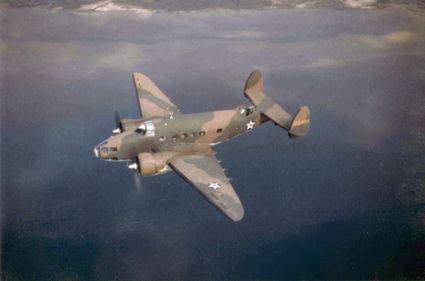
-
Leeuwarden Lounge
Leeuwarden Lounge
-
Farm shop Uitland
Farm shop Uitland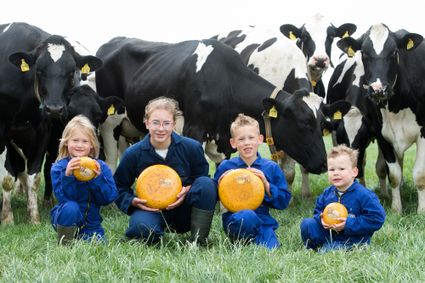
-
Rottige Meente Nature Reserve
Rottige Meente Nature Reserve