Locations
1297 to 1320 of 2914 results
-
de Tijnjehoeve - Safaritent M - de Tijnjehoeve
de Tijnjehoeve - Safaritent M - de Tijnjehoeve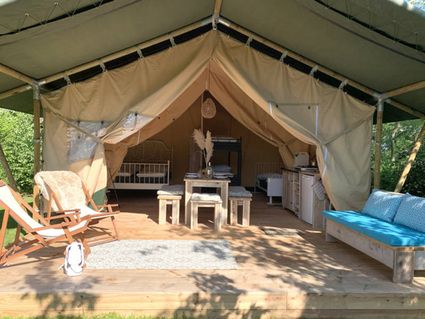
Book now
-
Visitor Centre and Tourist Office Stavoren
Visitor Centre and Tourist Office Stavoren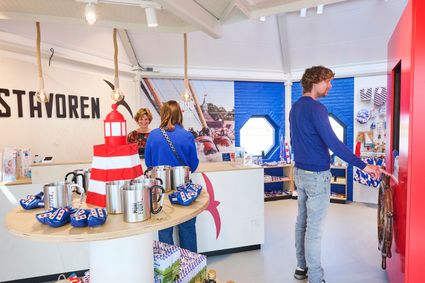
-
De Wolvetinte
De Wolvetinte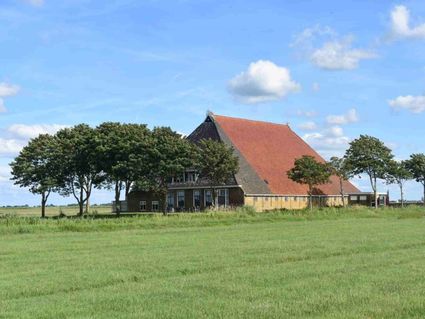
Book now
-
Beach Resorts Makkum - Star 6 persoons
Beach Resorts Makkum - Star 6 persoons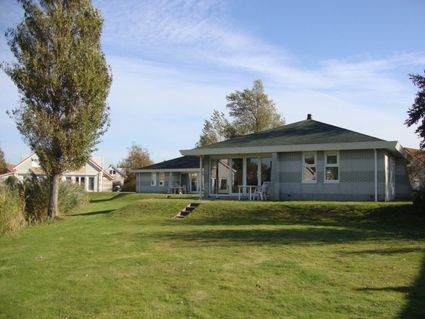
Book now
-
De Overtuin & Landgoed Oranjewoud
De Overtuin & Landgoed Oranjewoud
-
Ambush at Oldeholtpade
Ambush at Oldeholtpade
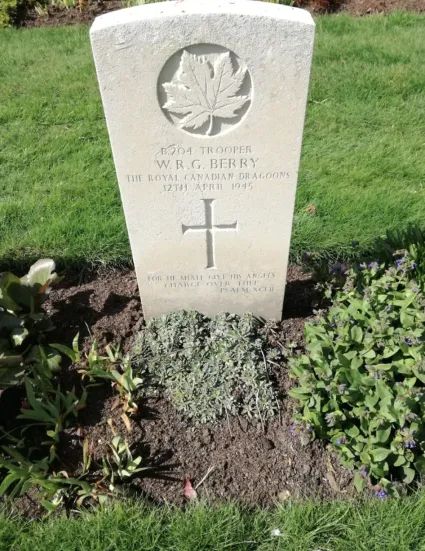
On 12 April, the bridge over the Tjonger in Mildam fell into the hands of the Royal Canadian Dragoons reconnaissance regiment. Because the occupier had blown up many other bridges, the Canadians attached great importance to preserving this bridge for the crossing of other Canadian units. That is why dozens of armoured cars, mobile artillery guns and numerous other vehicles were sent to Mildam that day to reinforce the bridgehead over the Tjonger.
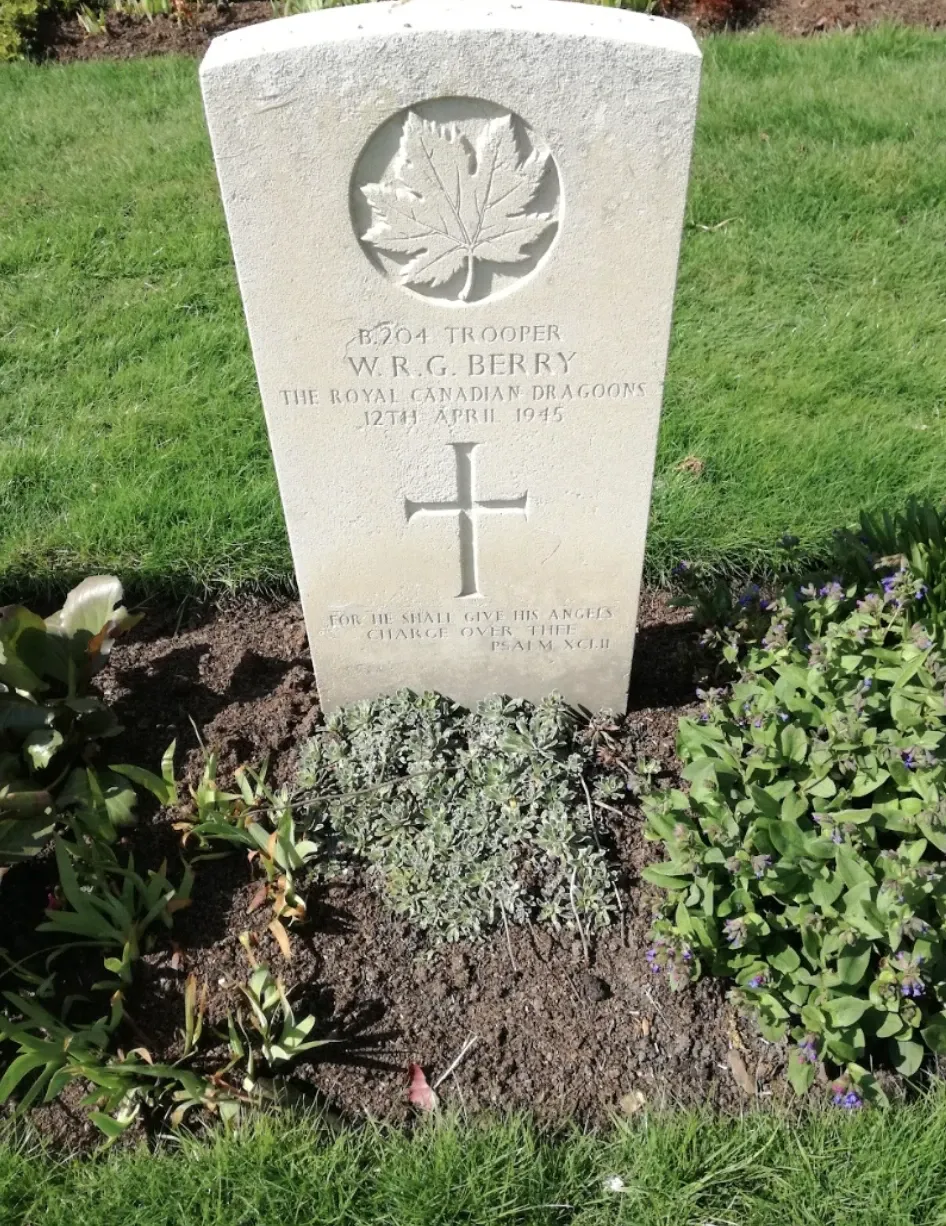
In one of those armoured cars, a Staghound, was 24-year-old Trooper Wilfred Robert George Berry from Ontario. The young Canadian had volunteered for military service in Europe. And had already fought with the Royal Canadian Dragoons in Italy. At the end of February 1945, they were transferred to Northwest Europe.
For Berry, the war ended in Friesland. In Oldeholtpade, on the road to Wolvega, his vehicle drove into an ambush along with at least one other Staghound. In the vicinity of a broken-down German car, German soldiers had hidden with Panzerfausts. The Panzerfaust was a very powerful and easy-to-use anti-tank weapon. The first shot missed, but the second projectile hit the front Staghound, on the side where driver Wilfred Berry was sitting at the time.2 The Staghound went off the road and overturned. The three other crew members got injured, but were able to leave the vehicle and took cover behind the second Staghound. One of them stated:
"[…]Flames burst through the turret, where the officer and I were half in and half out of the hatches. Any skin surface not covered was burned and the flames badly singed our eyebrows, eyelashes, moustaches and hands, sending me and the officer both wounded to the field hospital."3
Immediately after the first Staghound was hit, the second Staghound opened fire on the Germans. Seriously injured, Wilfred Berry remained in the vehicle. After about fifteen minutes of shooting back and forth, the other Staghounds retreated towards Oldeberkoop. The exact reason for this remains unclear. Berry was already dying and was briefly cared for by the elderly Andriesje Dekker-Oosterhof in the vehicle when the shooting had stopped. The tragedy had unfolded right in front of her house. He died in the wreck shortly afterwards.
Berry's remains were eventually transferred to the farm on "De Bult" in Oldeberkoop and buried there. After the war he would be reburied at the Canadian war cemetery in Holten. The other crew members were eventually able to return to their units after receiving medical treatment. The commander only had burns on his face.
The event made a deep impression on the inhabitants of Oldeholtpade. In 1945, a monument to Berry was erected. And in 1965, a street was named in his honour.
-
-
VVV Sloten - Eleven Cities Stamp Station
VVV Sloten - Eleven Cities Stamp Station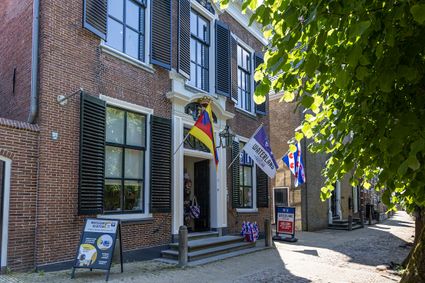
-
de Fluessen - Schippershuis 2023
de Fluessen - Schippershuis 2023
Book now
-
FrieslandZeilen - Kajuitzeilboot FOX 22
FrieslandZeilen - Kajuitzeilboot FOX 22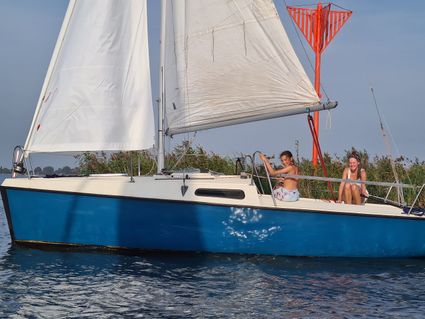
Book now
-
Het Molenhuis - Jelleshuis
Het Molenhuis - Jelleshuis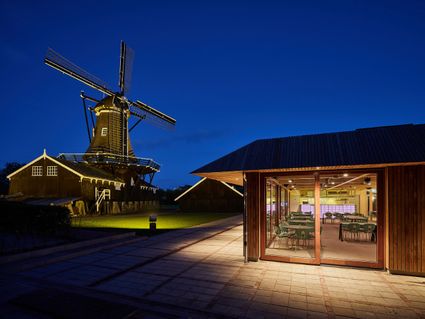
Book now
-
Buitenhuis Zonneroos
Buitenhuis Zonneroos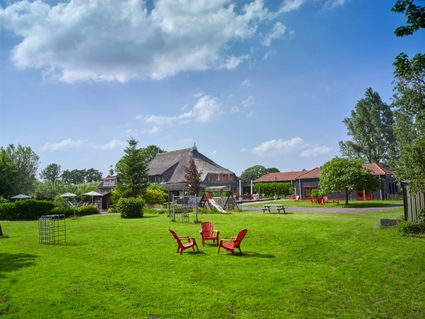
-
Zeilschip Middelsee
Zeilschip Middelsee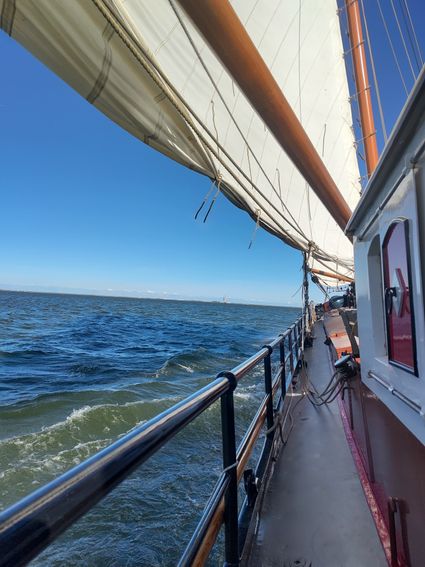
-
Birthplace Titus Brandsma
Birthplace Titus Brandsma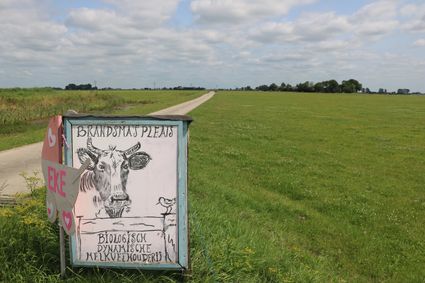
-
Legemeer Bell Tower
Legemeer Bell Tower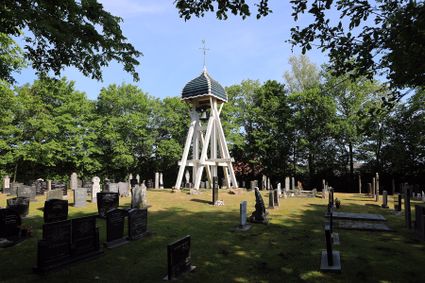
-
De Swanneblom Swimming Pond
De Swanneblom Swimming Pond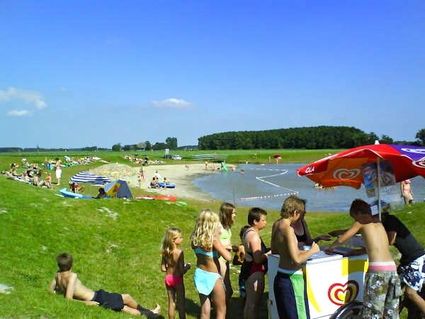
-
Camping Sudersé - Trekkershut It Lurkje en It Sweltsje
Camping Sudersé - Trekkershut It Lurkje en It Sweltsje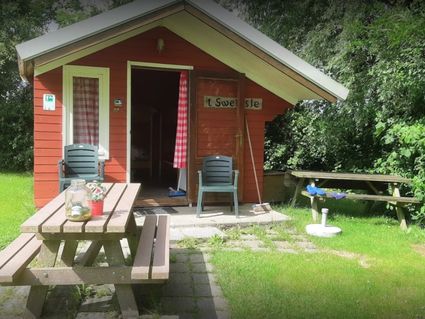
Book now
-
Poem 'Graf te Blauwhuis'
Poem 'Graf te Blauwhuis'
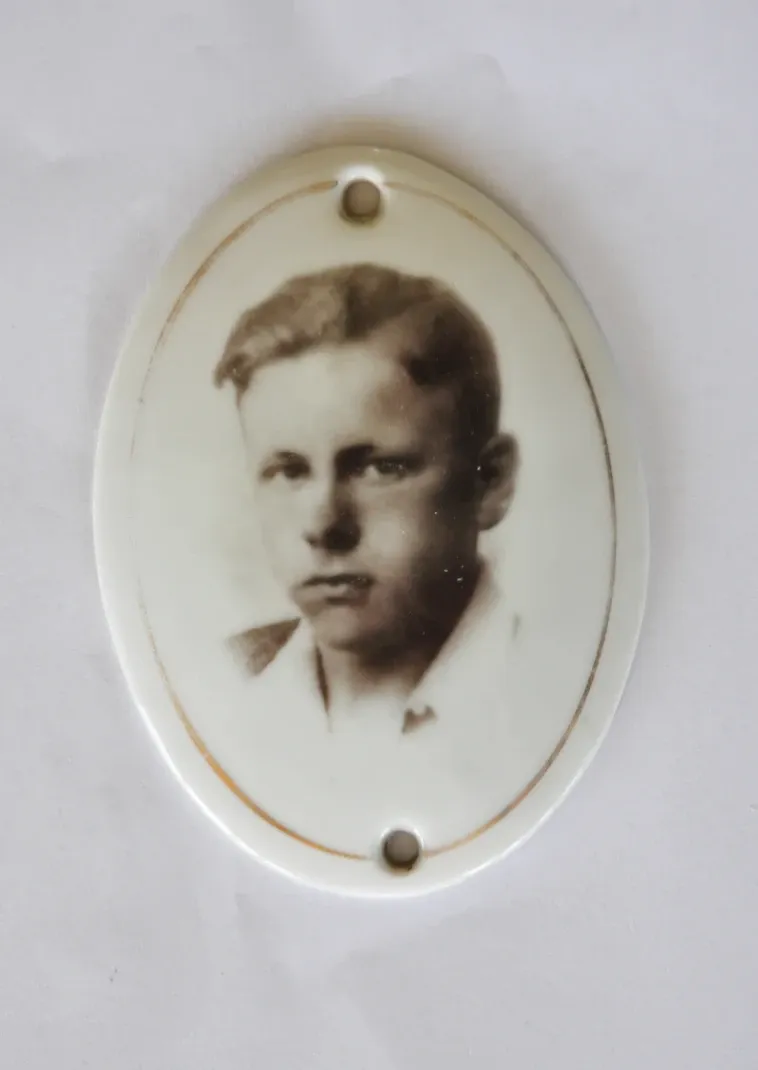
The small village of Abbega and the neighbouring hamlet of Abbegaasterketting hid dozens of people in hiding during the war. In February 1945, a raid shocked the small community. Resistance fighter Gerrit Rijpma, 18, was fatally hit in the process. The famous Dutch writer Gerard Reve, who lived next door to a sister of Gerrit Rijpma in nearby Greonterp from 1953 to 1971, was deeply moved by the story of his neighbour's youngest brother. As a tribute to Gerrit, he wrote the poem 'Graf te Blauwhuis'.
According to witnesses, as many people in hiding lived in Abbega and the neighbouring hamlet of Abbegaasterketting as civilians.
Among them were Jewish people in hiding, people who had participated in railway strikes, deserters and young men from the surrounding area who wanted to avoid forced labour. Weapons for the resistance were also hidden there.
Abbegaasterketting was located next to the Bolswardervaart canal, and the absence of paved roads made access difficult. In addition, the inhabitants had implemented an ingenious alarm system: by means of an electric bell, people warned each other when something was wrong, and two people in hiding were on guard every night.
On 8 February 1945, at around half past eleven in the morning, the alarm bell sounded in the Rijpma family home. At that time, the brothers Yp and Gerrit were working in the barn.
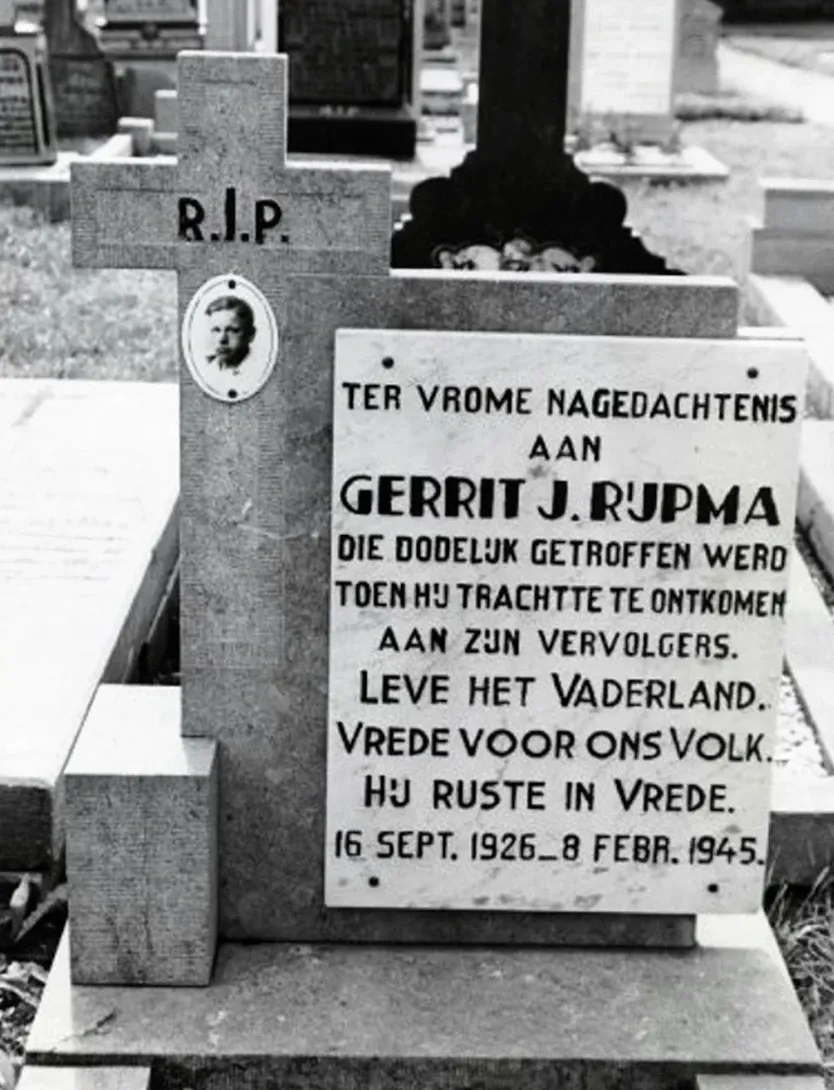
When they went outside, they saw a lot of people running away in panic. This is why the brothers decided to sail down the Bolswardervaart, which divides the hamlet in two pieces, in a rowing boat. They hoped that they could get themselves to safety a little bit further on in a bend of the canal, behind the net. On their way there, they picked up their neighbour Minze van der Veen and a person in hiding, who were standing on the other side of the canal. Meanwhile, the German soldiers, aided by members of the Landwacht, a Dutch semi-military organisation, had set off in pursuit and opened fire on the fleeing people. Minze van der Veen was hit in his right elbow. Gerrit was hit three times: one bullet went straight through his body, another lodged in his back, and the third bullet went through his cheeks and teeth. Because the occupiers refused to help, Yp had to carry his dying brother to the boat and take him to a farmhouse nearby all by himself. The help from a woman living in the neighbourhood, who was a nurse, came too late. In great haste, curate Stolwijk of Blauwhuis was sent for, who administered the last rites to Gerrit. He died shortly afterwards. He was buried in the Catholic Cemetery in Blauwhuis.
The famous Dutch writer Gerard Reve, who lived in nearby Greonterp next to a sister of Gerrit Rijpma from 1953 to 1971, was deeply touched by the story of his neighbour's youngest brother. As a homage to Gerrit, he wrote the poem 'Grave in Blauwhuis':
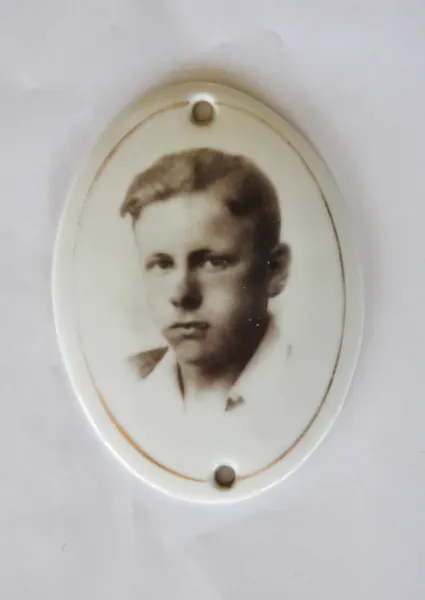
GRAVE IN BLAUWHUIS (for neighbour H., in G.) He ran away, but did not escape, and was hit, and died, eighteen years old. A militant inscription cries out loud, but a sad and silent face looks out from the brown enamelled portrait. Still a child. Goodbye dear boy. You, who are King, of this and that, of whatever, yes, You, answer me, You know why, I don't. That Kingdom of Yours, remember, will it ever be?
In 1983, the mortal remains of Gerrit were transferred from the cemetery of Blauwhuis to Loenen National War Cemetery.
-
-
Museum Dokkum
Museum Dokkum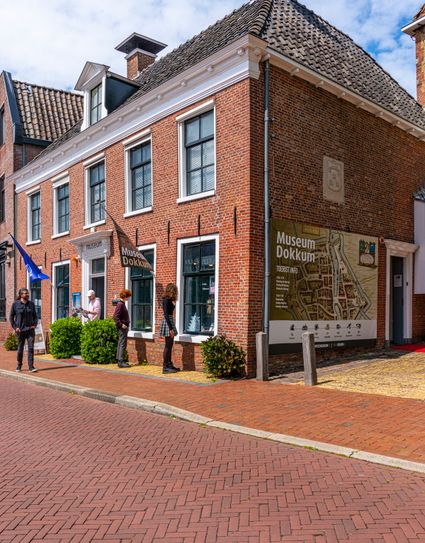
-
Kinderboerderij Leeuwarden
Kinderboerderij Leeuwarden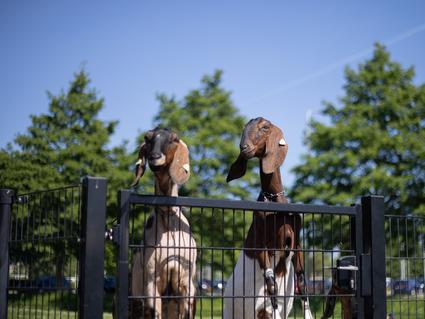
-
Snoozz Hotels - Torenkamer met pantry
Snoozz Hotels - Torenkamer met pantry
Book now
-
Scrokkia Pizza
Scrokkia Pizza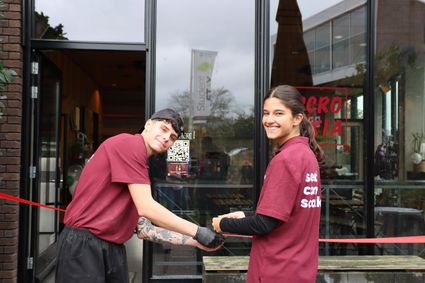
-
Beach Resorts Makkum - Appartement Residence Sudersee 6 personen
Beach Resorts Makkum - Appartement Residence Sudersee 6 personen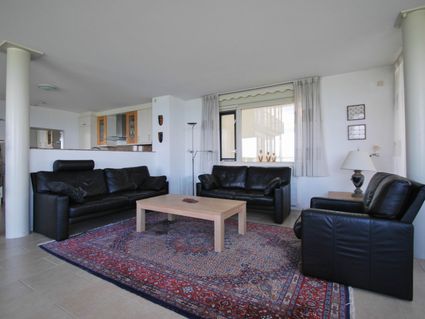
Book now
-
Hotel Stedswal - Kamer 7 - Warkum
Hotel Stedswal - Kamer 7 - Warkum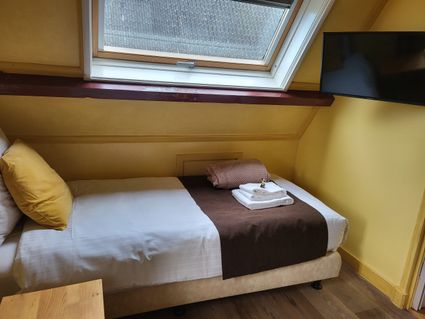
-
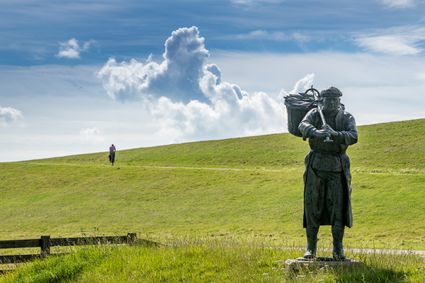
The Waadfisker statue
The Waadfisker statue