Locations
1657 to 1680 of 2317 results
-
Sanzi Yacht Charter - Dolores
Sanzi Yacht Charter - Dolores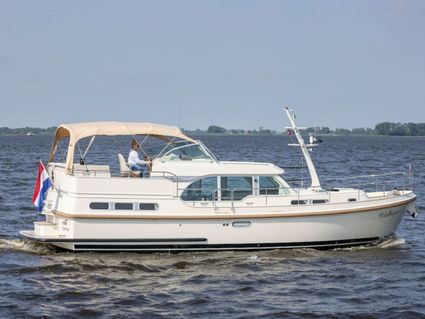
Book now
-
Gates of Light
Gates of Light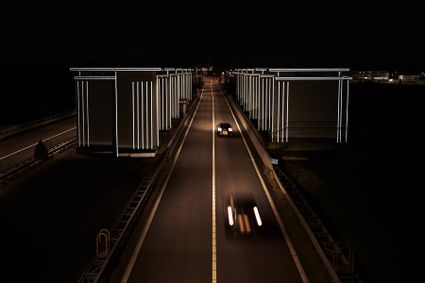
-
Public toilet De Potten (small building)
Public toilet De Potten (small building)
-
Theetuin Under de toer
Theetuin Under de toer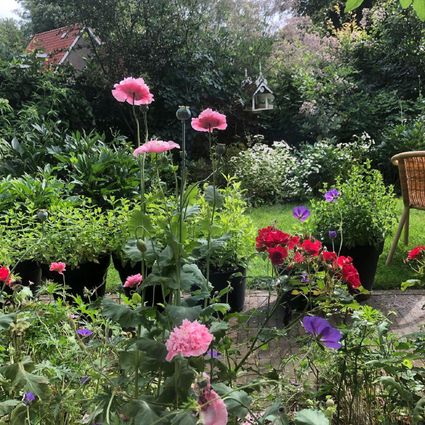
-
Oan 'e Dyk
Oan 'e Dyk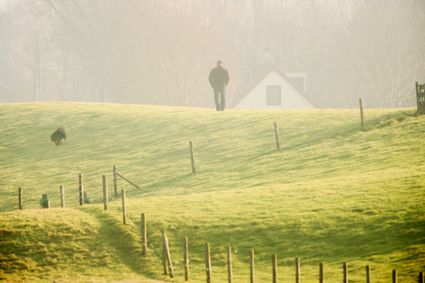
-
De Biedermeier
De Biedermeier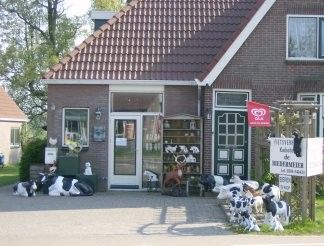
-
Lutz Watervilla's - Wettervilla Tsien
Lutz Watervilla's - Wettervilla Tsien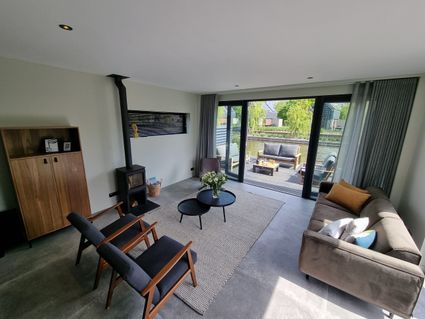
Book now
-
Friesland Holland Tourist Information & Travel Service
Friesland Holland Tourist Information & Travel Service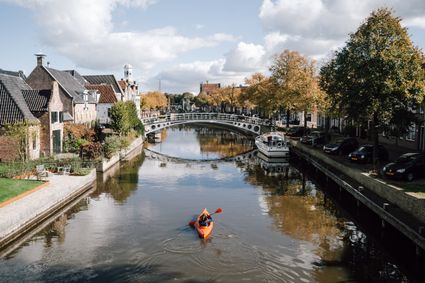
-
't Pannekoekschip Leeuwarden
't Pannekoekschip Leeuwarden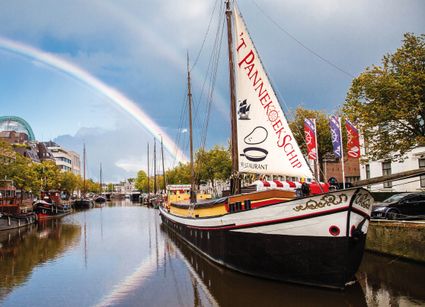
-
Demonstration horse-driven lifeboat
Demonstration horse-driven lifeboat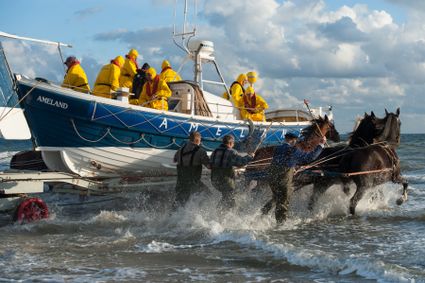
-
Alde Feanen Rentals
Alde Feanen Rentals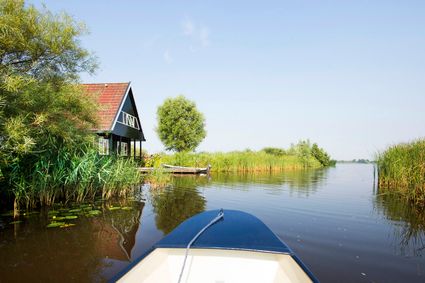
Tip
-
Wilhelminapark
Wilhelminapark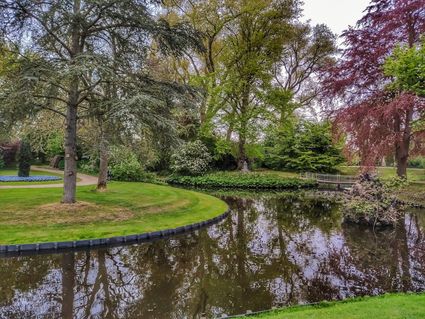
-
de Fluessen - Loft de Fluessen
de Fluessen - Loft de Fluessen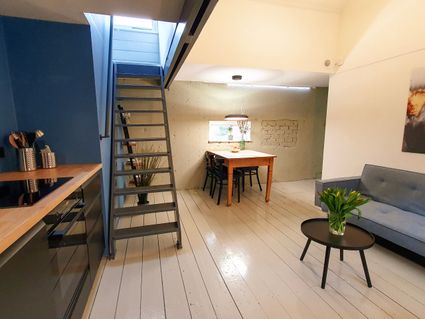
Book now
-
Aan het Water - Torenwoning GB 28
Aan het Water - Torenwoning GB 28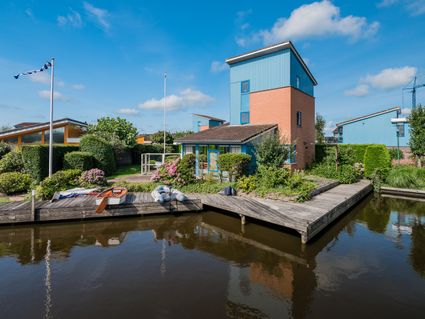
Book now
-
Passantenhaven Joure
Passantenhaven Joure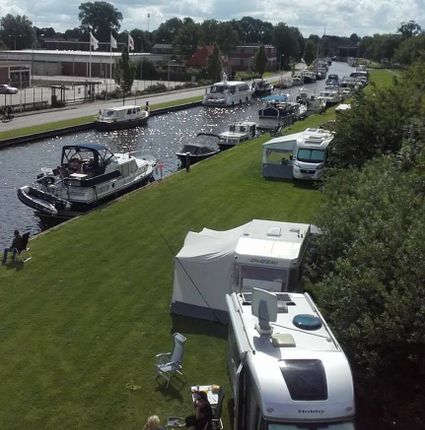
-
Bed and Breakfast Noflik Haule
Bed and Breakfast Noflik Haule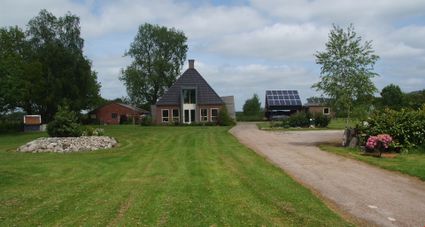
-
Camping Ykema - Groepsaccommodatie Camping Ykema
Camping Ykema - Groepsaccommodatie Camping Ykema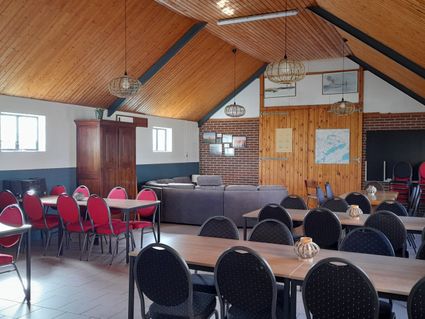
Book now
-
Tusken de Marren
Tusken de Marren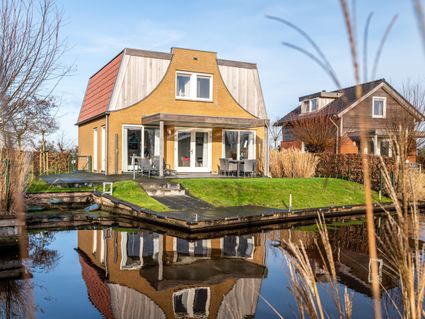
Book now
-
Timpelsteed
Timpelsteed
-
Sail Events Friesland
Sail Events Friesland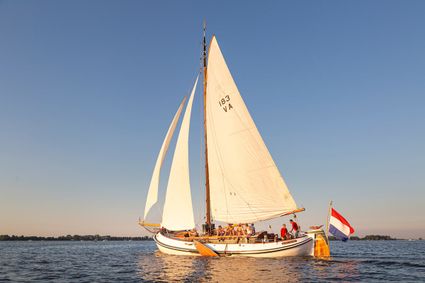
Tip
Book now
-
Glamping Mearkas
Glamping Mearkas
-
Entrepotgebouw - Poetry route
Entrepotgebouw - Poetry route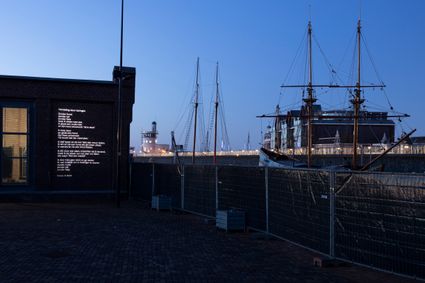
-
KunstKamer Franeker
KunstKamer Franeker
-
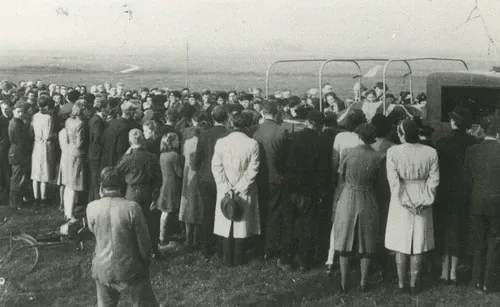
Attack on the port of Oostmahorn
Attack on the port of Oostmahorn
The liberation of the north-eastern part of Friesland was not achieved without a struggle. The Dutch Domestic Armed Forces (NBS) and Canadian troops fought fierce battles, partly side by side. It was mainly occupiers fleeing in panic who caused fights and shootings that claimed victims on both sides. A fierce battle was also fought over the port of Oostmahorn.
After the liberation of Dokkum, Kollum and Dokkumer Nieuwe Zijlen, the attention of the Canadian troops turned to the port of Oostmahorn. It was the gateway to the island of Schiermonnikoog, which was part of the German defence line, the Atlantic Wall. This bulwark ran along the coasts of France to Norway. During the war, and extensive occupying force was stationed on the Wadden Island.
The village of Oostmahorn was "relieved" by the Dutch Domestic Armed Forces (NBS) on Saturday, 14 April, after the German Grenzschutz (border control) left in silence for Schiermonnikoog. Meanwhile, a group of more than a hundred fleeing SS and SD men and a dozen women crossed the Lauwerszee from Groningen near Zoutkamp with three boats to the island. A number of them were high-ranking SD members of the infamous Scholtenhuis in Groningen. When the NBS saw them sailing past from the port of Oostmahorn, shots were fired back and forth.
The German occupying forces on Schiermonnikoog then wanted to take revenge. The village and the port of Oostmahorn were attacked from the island for two hours on Monday, 16 April. A convoy of three Dutch boats left for the port with the aim of landing there. Meanwhile, the help of the B-Squadron of the Royal Canadian Dragoons (1st Armoured Carrier Regiment) in Dokkum had been called in. The attack was narrowly repelled, but two Canadian soldiers from a reconnaissance group were killed. A defence line of foxholes and armoured vehicles was erected around the village.
Further reinforcements were called in that day from Leeuwarden, where C Company of the North Nova Scotia Highlanders were sent to the coastal strip to patrol for German landing attempts.
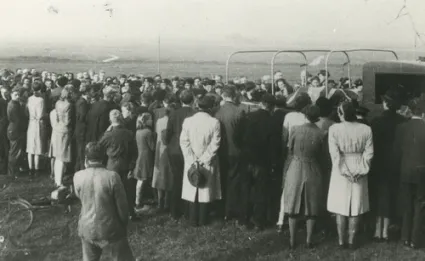
After a brief but heavy shelling from the Canadians as a warning, a mediator was sent to the island the next day. The highest-ranking SD officer refused to surrender. They were waiting for an escape with a Schnell boat that was to take them to the German Wadden island of Borkum on 3 May. That turned out to be in vain, but in the meantime they kept the island occupied, even after the general capitulation of the whole of the Netherlands on 5 May.It was not until 11 June that two boats, the MS Waddenzee and the MS Brakzand, transported the last occupiers of Schiermonnikoog to the port of Oostmahorn. A column of army trucks packed with prisoners of war left the port under the guard of the Allies. From there they went to the POW camp in Beerta (Groningen).
-