Locations
2257 to 2280 of 2801 results
-
Information Point Witmarsum (Landal Elfstedenhart)
Information Point Witmarsum (Landal Elfstedenhart)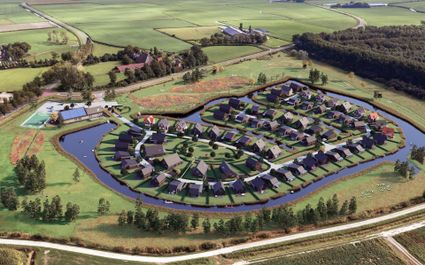
-
Pathé Leeuwarden
Pathé Leeuwarden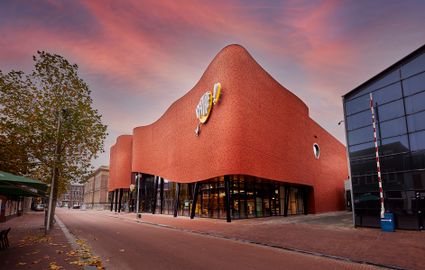
-
Sneek (Snits)
Sneek (Snits)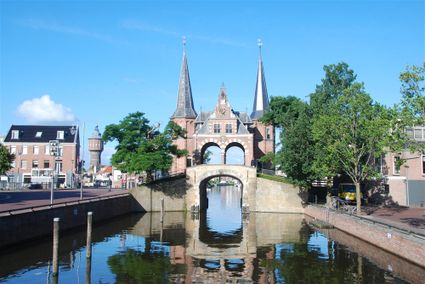
-
Bootverhuur Hospes - Motorjacht Linssen 35.0 Romina
Bootverhuur Hospes - Motorjacht Linssen 35.0 Romina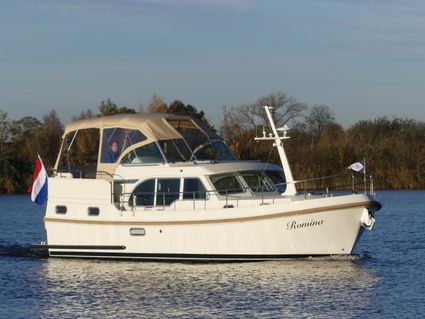
Book now
-
Pizzeria Sardegna
Pizzeria Sardegna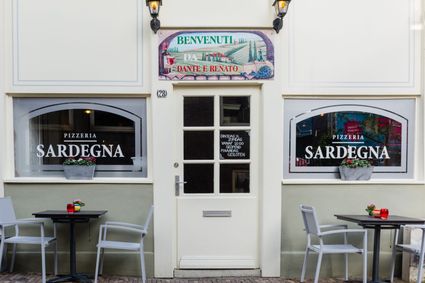
-
Strandje bij de Fluessen
Strandje bij de Fluessen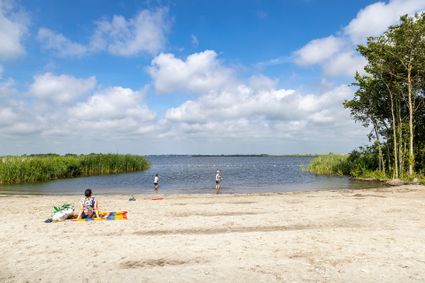
-
Restaurant StrAnders
Restaurant StrAnders
Sustainability info
-
Aldehoeve-logies
Aldehoeve-logies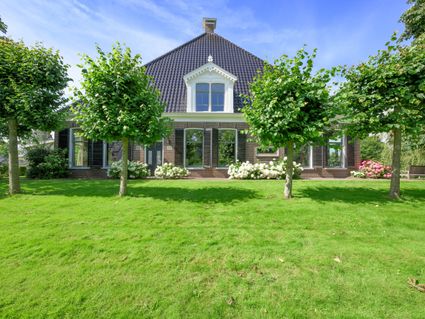
-
Beach Resorts Makkum - Strandvilla 6 persoons
Beach Resorts Makkum - Strandvilla 6 persoons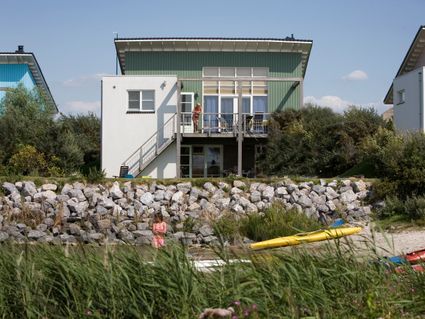
Book now
-
The Bakery Leeuwarden
The Bakery Leeuwarden
-
Landgoed Lauswolt
Landgoed Lauswolt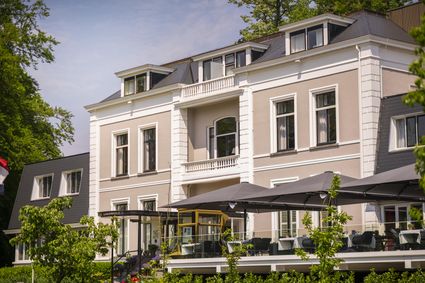
-
REM Yachtcharter - Motorjacht Geminus
REM Yachtcharter - Motorjacht Geminus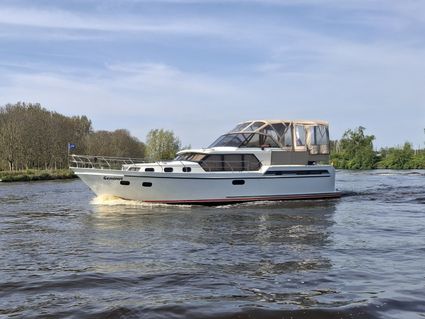
Book now
-
Aan het Water - Torenwoning GB 28
Aan het Water - Torenwoning GB 28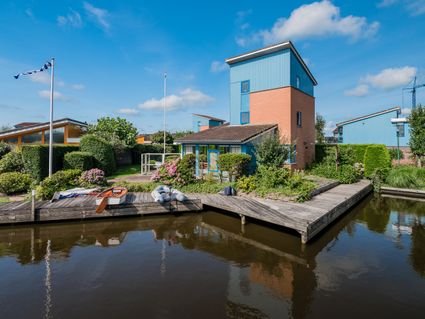
Book now
-
Aerden Plaats Visitor Centre
Aerden Plaats Visitor Centre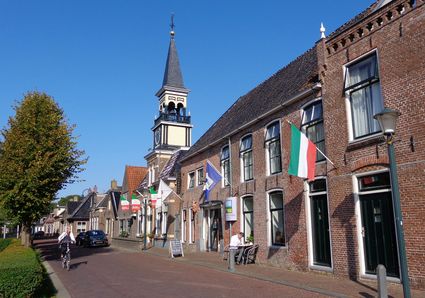
Sustainability info
-
Villa Waterlove
Villa Waterlove
-
de Drijfveer - Friendship 26 Free - Heron
de Drijfveer - Friendship 26 Free - Heron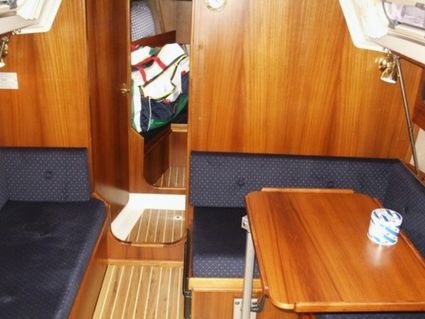
Book now
-
Poem 'Graf te Blauwhuis'
Poem 'Graf te Blauwhuis'
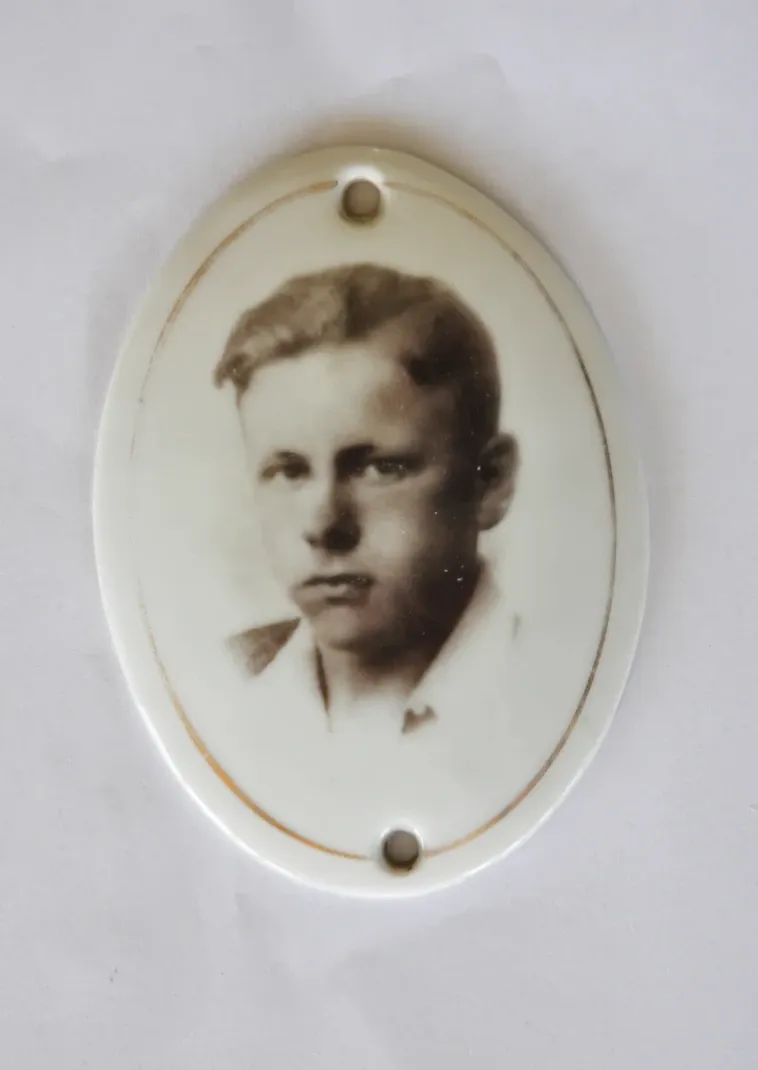
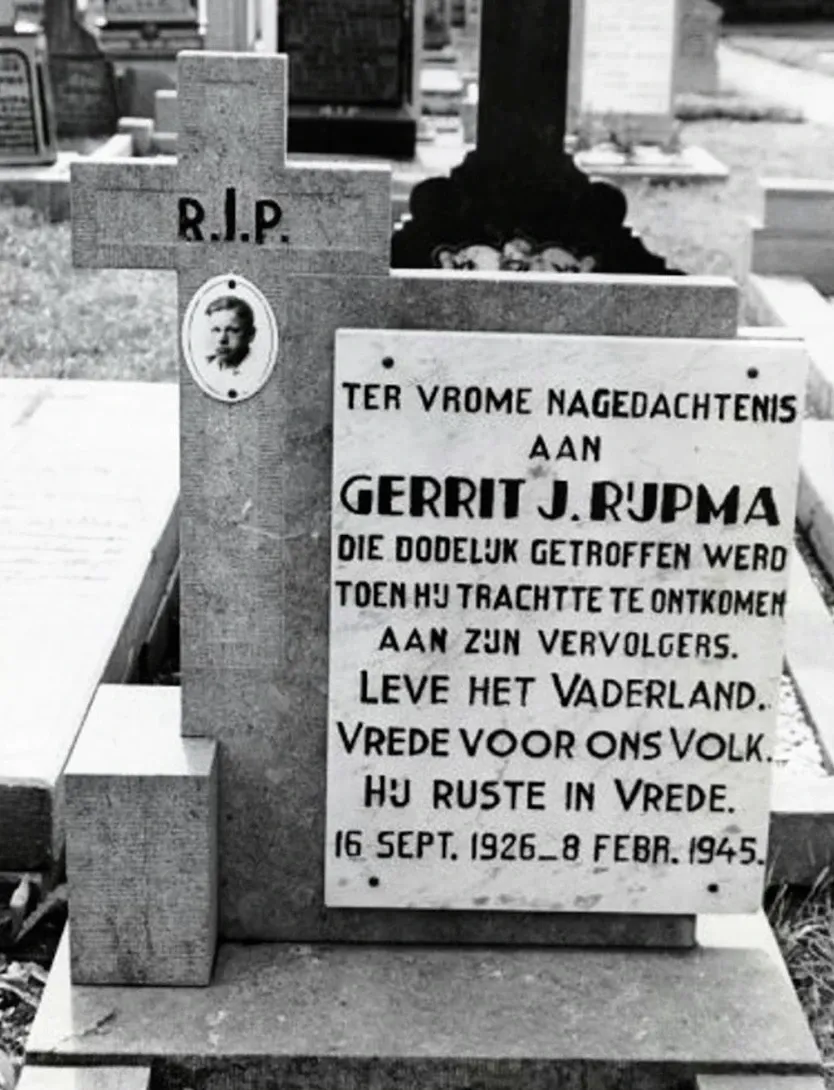
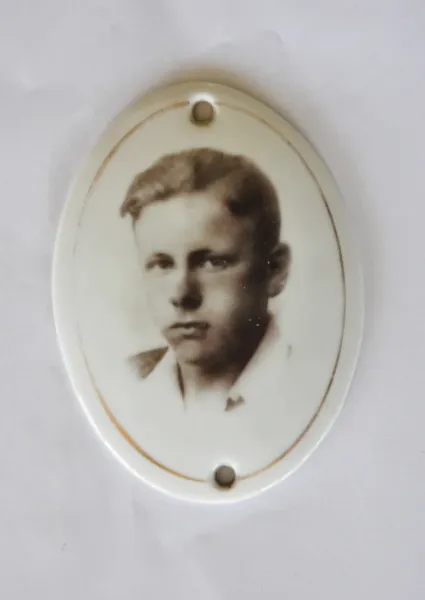
The small village of Abbega and the neighbouring hamlet of Abbegaasterketting hid dozens of people in hiding during the war. In February 1945, a raid shocked the small community. Resistance fighter Gerrit Rijpma, 18, was fatally hit in the process. The famous Dutch writer Gerard Reve, who lived next door to a sister of Gerrit Rijpma in nearby Greonterp from 1953 to 1971, was deeply moved by the story of his neighbour's youngest brother. As a tribute to Gerrit, he wrote the poem 'Graf te Blauwhuis'.
According to witnesses, as many people in hiding lived in Abbega and the neighbouring hamlet of Abbegaasterketting as civilians.
Among them were Jewish people in hiding, people who had participated in railway strikes, deserters and young men from the surrounding area who wanted to avoid forced labour. Weapons for the resistance were also hidden there.
Abbegaasterketting was located next to the Bolswardervaart canal, and the absence of paved roads made access difficult. In addition, the inhabitants had implemented an ingenious alarm system: by means of an electric bell, people warned each other when something was wrong, and two people in hiding were on guard every night.
On 8 February 1945, at around half past eleven in the morning, the alarm bell sounded in the Rijpma family home. At that time, the brothers Yp and Gerrit were working in the barn.
When they went outside, they saw a lot of people running away in panic. This is why the brothers decided to sail down the Bolswardervaart, which divides the hamlet in two pieces, in a rowing boat. They hoped that they could get themselves to safety a little bit further on in a bend of the canal, behind the net. On their way there, they picked up their neighbour Minze van der Veen and a person in hiding, who were standing on the other side of the canal. Meanwhile, the German soldiers, aided by members of the Landwacht, a Dutch semi-military organisation, had set off in pursuit and opened fire on the fleeing people. Minze van der Veen was hit in his right elbow. Gerrit was hit three times: one bullet went straight through his body, another lodged in his back, and the third bullet went through his cheeks and teeth. Because the occupiers refused to help, Yp had to carry his dying brother to the boat and take him to a farmhouse nearby all by himself. The help from a woman living in the neighbourhood, who was a nurse, came too late. In great haste, curate Stolwijk of Blauwhuis was sent for, who administered the last rites to Gerrit. He died shortly afterwards. He was buried in the Catholic Cemetery in Blauwhuis.
The famous Dutch writer Gerard Reve, who lived in nearby Greonterp next to a sister of Gerrit Rijpma from 1953 to 1971, was deeply touched by the story of his neighbour's youngest brother. As a homage to Gerrit, he wrote the poem 'Grave in Blauwhuis':
GRAVE IN BLAUWHUIS (for neighbour H., in G.) He ran away, but did not escape, and was hit, and died, eighteen years old. A militant inscription cries out loud, but a sad and silent face looks out from the brown enamelled portrait. Still a child. Goodbye dear boy. You, who are King, of this and that, of whatever, yes, You, answer me, You know why, I don't. That Kingdom of Yours, remember, will it ever be?
In 1983, the mortal remains of Gerrit were transferred from the cemetery of Blauwhuis to Loenen National War Cemetery.
-
-
Nij Wybranda - de Jister
Nij Wybranda - de Jister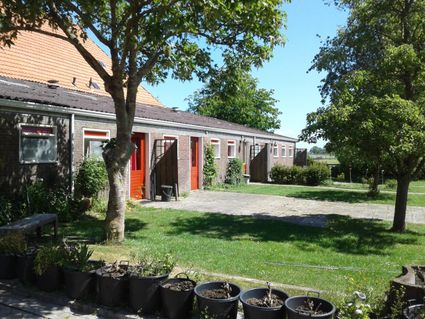
Book now
-
Sint Gertrudis church
Sint Gertrudis church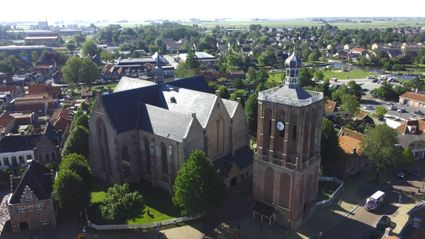
-
Julianapark
Julianapark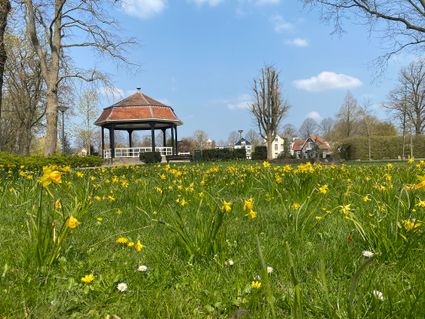
-
The battle for the Tjonger bridge in Mildam
The battle for the Tjonger bridge in Mildam
In the afternoon of 12 April, rumours had reached Mildam that Englishmen or perhaps Canadians had been sighted at Peperga. The Canadian vanguards had entered Friesland. For the inhabitants of Mildam it was still a surprise when at first one and shortly afterwards another military vehicle with a few men in khaki-coloured overalls stopped at the bridge.
These vehicles were part of a patrol of "D" Squadron Royal Canadian Dragoons commanded by Lieutenant Homer Thomas. These Canadians established that unlike other bridges, the bridge in Mildam over the Tjonger had not yet been blown up by the occupying forces. The fact that the Tjonger bridge in Mildam had not been destroyed was due to the local resistance movement. The Germans had indeed planned to blow up this bridge as well. But at the risk of their own lives, resistance fighters had removed the detonators from the explosives affixed to the bridge.
The Squadron Commander immediately ordered all units to secure the bridge. And the Dutch Domestic Armed Forces were also requested to provide men. The precautions turned out to be justified. In the night of 12 to 13 April, German troops launched one of their few counter-attacks in the province of Friesland. From Heerenveen, they managed to surprise the Canadians in Mildam. They tried to regain control of the bridge three times. During the fierce fighting, Canadian vehicles were knocked out. But the Dragoons stood firm, and the Germans were driven off again. Mildam was freed.Four Canadian soldiers were injured in the fighting. The number of casualties on the German side is unknown. There was property damage in Mildam, but no civilians were killed. With a little less luck, though, there would have been several Dutch casualties. In the early morning of 13 April, a group of dozens of resistance fighters approached the bridge at dusk from the direction of Nieuweschoot. This was the reinforcement requested by the Canadians on 12 April when the undamaged bridge was discovered. The resistance fighters were partly carrying captured German weapons and were not noticed by the Dragoons in the semi-darkness until late.
Lieutenant Thomas, mentioned earlier, almost gave the order to open fire. It was only at the last moment that it became clear that they were not Germans. The resistance members had managed to make themselves known by singing songs in English.
The preservation of the bridge was important. During the following days, the Canadians would make extensive use of the bridge to advance further in the direction of Leeuwarden and liberate the province of Friesland.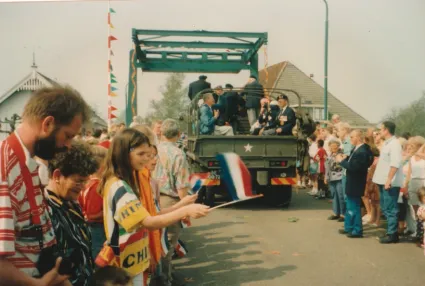
-
-
Terherne
Terherne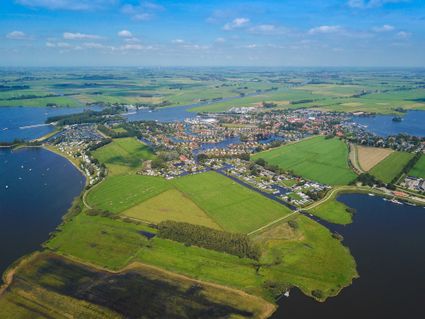
-
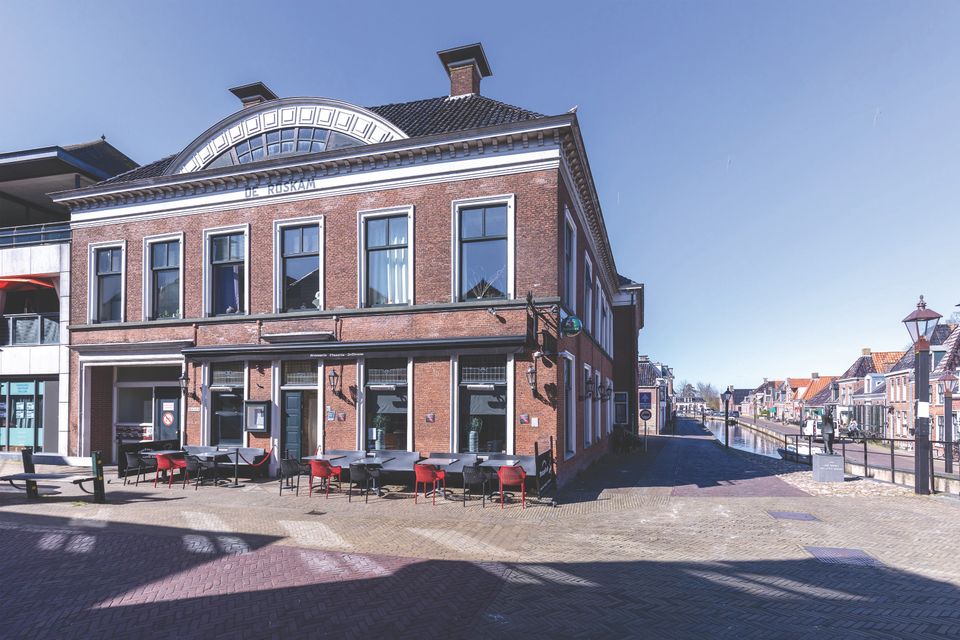
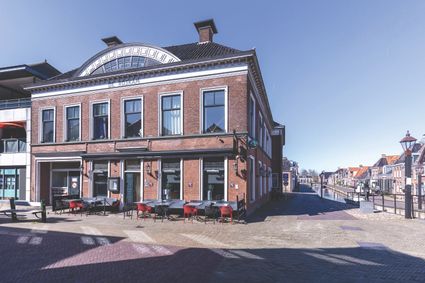
De Roskam
De Roskam
There was a time when Kollum boasted no fewer than sixteen establishments, ranging from pubs and cafés to inns and lodging houses. De Roskam has always been one of them.
Those who remember Kollum in the last century may still picture the signboard of landlord Bonne Hof: a stout little man in swimming trunks with bright red cheeks. According to local tradition, Bonne Hof gathered the sweet flag plants used in his own homemade Kalmus Berenburg from the nearby Alde Swimmer. During the 1950s, Kollum Berenburg was a popular local drink. Another story concerns his father, Sietse Jan, whose croquettes were said to be so delicious that people travelled all the way from Groningen and Leeuwarden to taste them.
Many more colourful stories surround De Roskam. During a German raid in the Second World War, the notary Wassenberg is said to have hidden in the attic, only to crash through the ceiling while still sitting on his chair. Another tale dates from 1952, when the chauffeur of the King's Commissioner, Linthorst Homan, misplaced his cap after spending the night at De Roskam. At first, it was considered a major scandal, and the cap was thought to have been stolen. The commissioner left Kollum in great anger. In the end, however, the cap was simply found and carefully returned by courier by the people of Kollum.
-
-
The Wylde Boerinne
The Wylde Boerinne