Locations
1585 to 1608 of 2831 results
-
Leeuwarden (Ljouwert)
Leeuwarden (Ljouwert)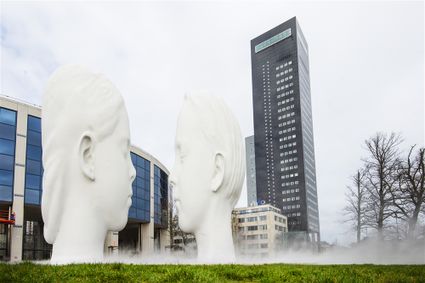
-
The National Model Railway Museum
The National Model Railway Museum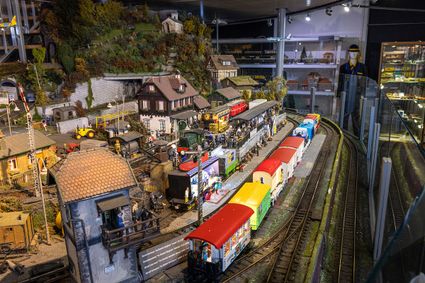
-
Marina Resort Hart van Friesland
Marina Resort Hart van Friesland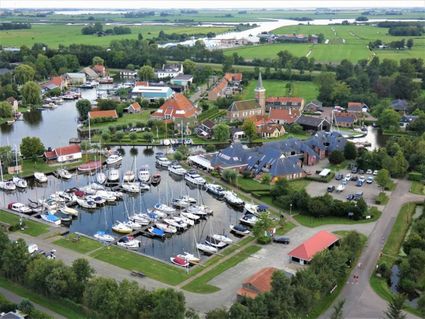
-
Sier aan Zee
Sier aan Zee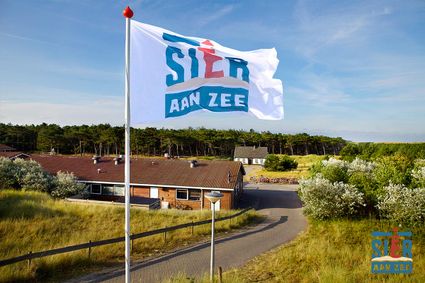
-
Vakantiepark De Kuilart - Camping - Kampeerplaats Standaard
Vakantiepark De Kuilart - Camping - Kampeerplaats Standaard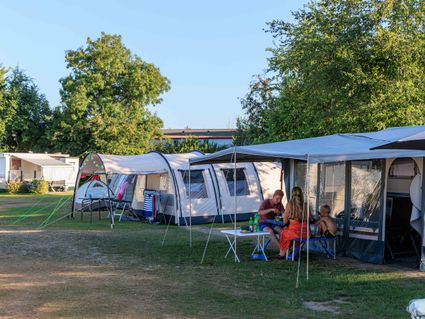
-
Boutique Hotel de Eilanden
Boutique Hotel de Eilanden
-
Van der Valk Hotel Sneek - Deluxe kamer - Parkeerzijde
Van der Valk Hotel Sneek - Deluxe kamer - Parkeerzijde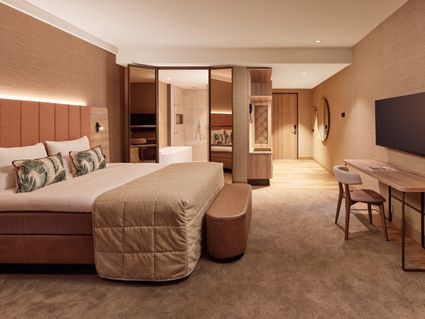
Sustainability info
Book now
-
Timpelsteed
Timpelsteed
-
FrieWheelers Stavoren
FrieWheelers Stavoren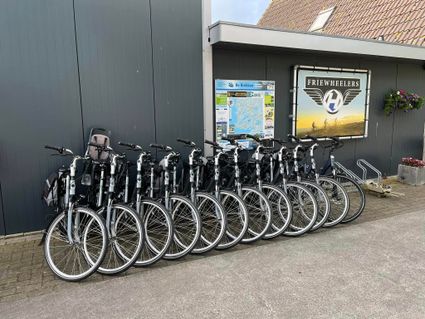
-
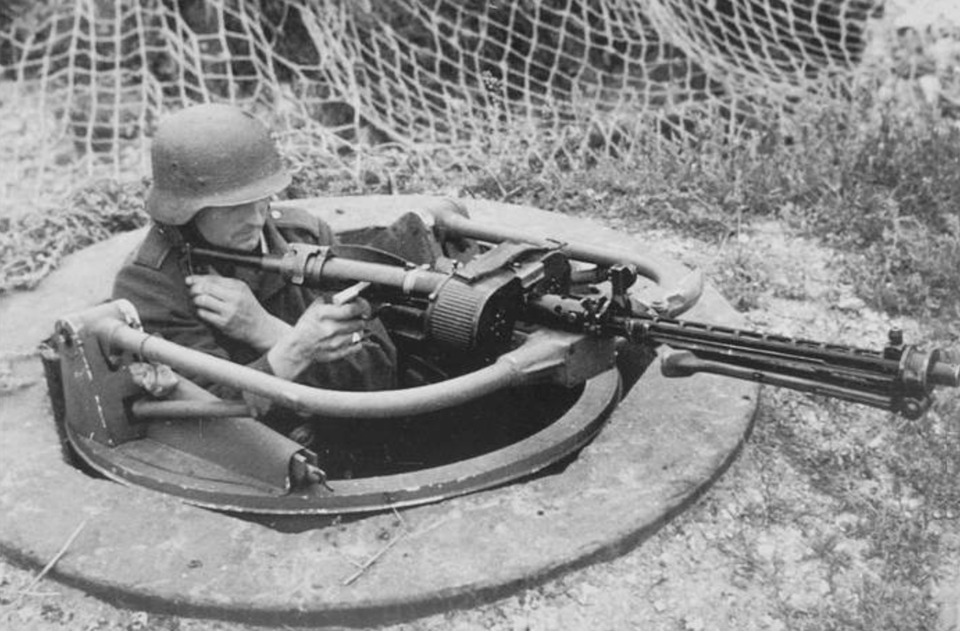
Remains of the Atlantic Wall in Harlingen
Remains of the Atlantic Wall in Harlingen
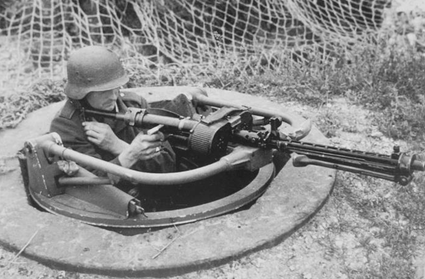
The bunkers at Harlingen were part of the Atlantic Wall: the more than 6,000-kilometer-long German defense line from Norway to Spain. The Atlantic Wall is one of the largest structures of the 20th century.
The line was built during the Second World War between 1942 and 1945 to prevent an Allied invasion of the Western European mainland from the sea. The Atlantic Wall was a series of separate smaller and larger support points that could give each other fire support.
In many cases they consisted of bombproof bunkers, sometimes with a wall and roof thickness of at least two meters of reinforced concrete. Due to a lack of labour, equipment and fuel, only 510 bunkers of the planned 2000 had been built in the Netherlands. In the English Garden in Harlingen is a German bunker that was part of the Atlantic Wall. It concerns a Communications Command Post with which the Germans coordinated the Frisian coastal defences.
-
-
Eleven Cities Tour sculpture Aukje in Leeuwarden
Eleven Cities Tour sculpture Aukje in Leeuwarden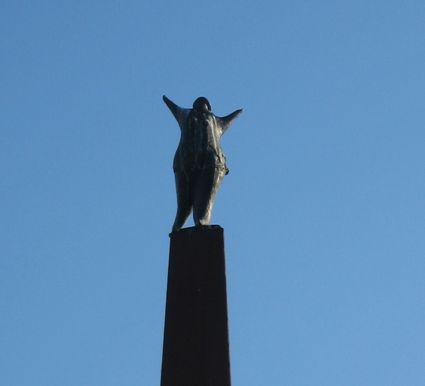
-
The Kûfurd
The Kûfurd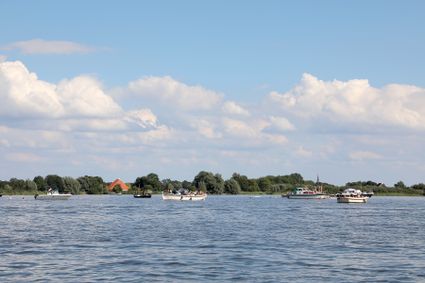
-
Parkhotel Tjaarda - Sfeervolle luxe kamer
Parkhotel Tjaarda - Sfeervolle luxe kamer
Book now
-
De Appelhof - Tiny Houseboat
De Appelhof - Tiny Houseboat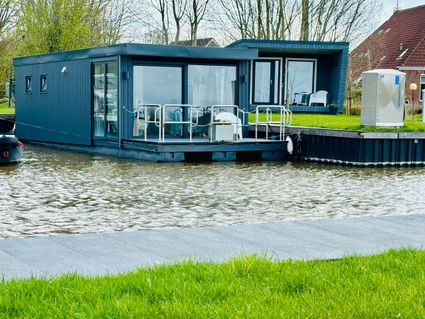
Book now
-
By Peek - Familie appartement
By Peek - Familie appartement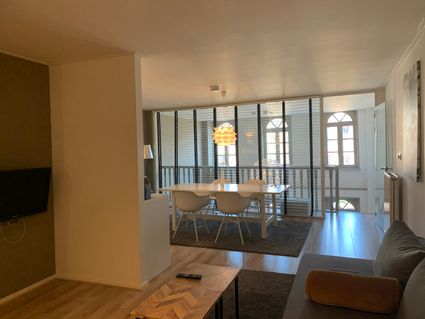
Book now
-
B&B Gaasterland-Hoeve 44
B&B Gaasterland-Hoeve 44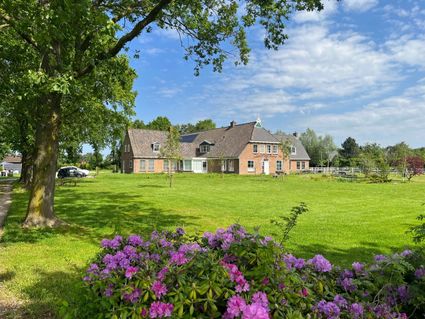
-
Memorial Torch Graveyard in memory of Jeen Hornstra
Memorial Torch Graveyard in memory of Jeen Hornstra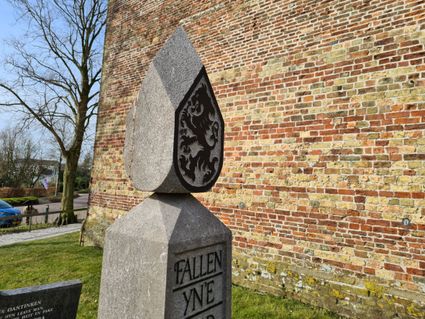
-
Public toilet Gleibakkerij in Bolsward
Public toilet Gleibakkerij in Bolsward
-
Eco-Cathedral Project in Mildam
Eco-Cathedral Project in Mildam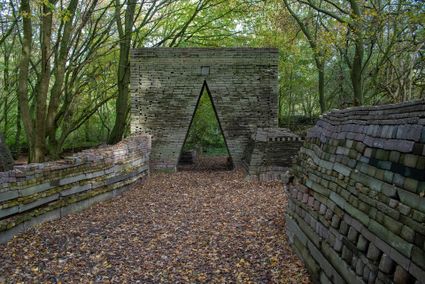
-
Ambush at Oldeholtpade
Ambush at Oldeholtpade
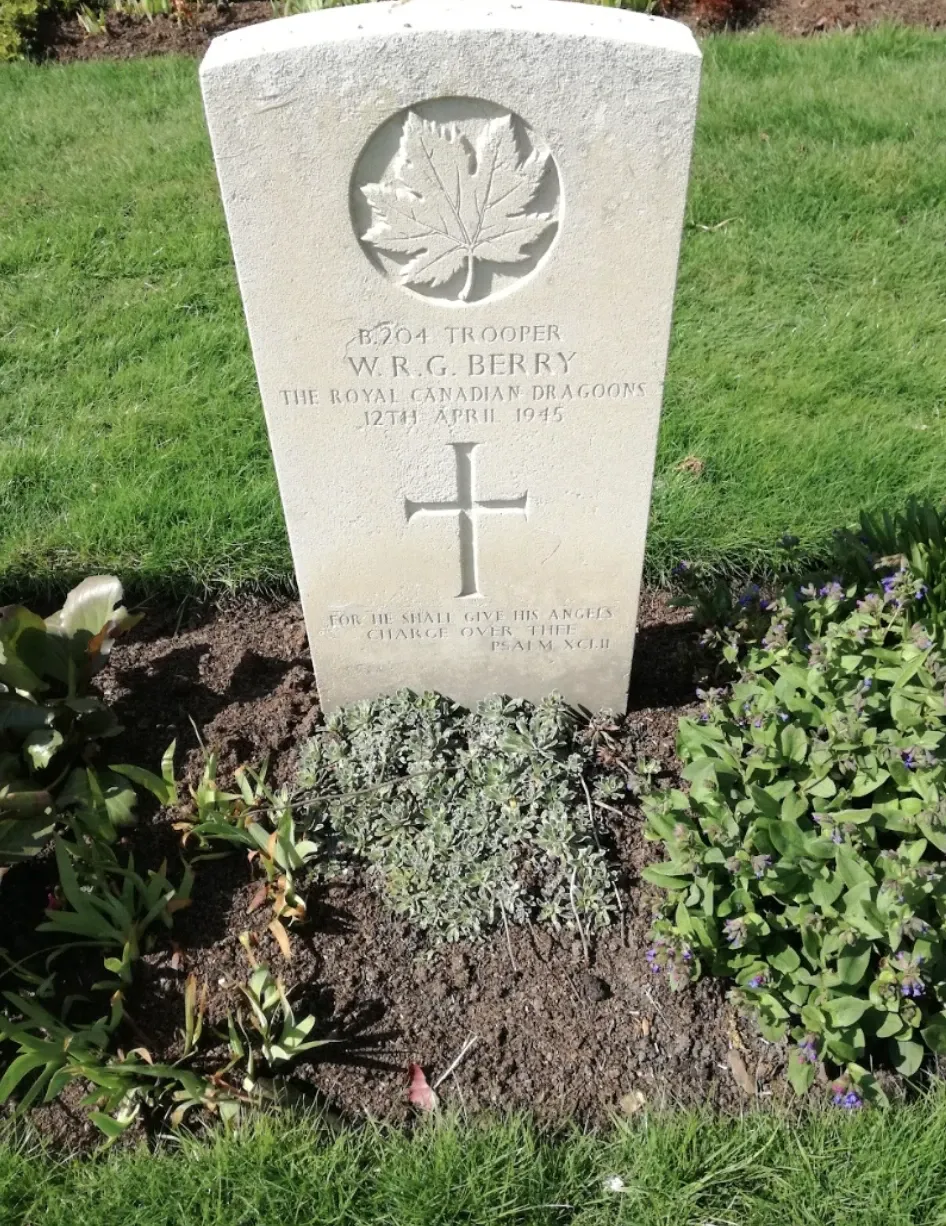
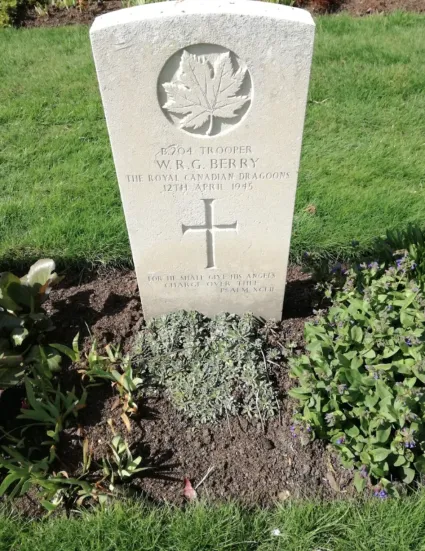
On 12 April, the bridge over the Tjonger in Mildam fell into the hands of the Royal Canadian Dragoons reconnaissance regiment. Because the occupier had blown up many other bridges, the Canadians attached great importance to preserving this bridge for the crossing of other Canadian units. That is why dozens of armoured cars, mobile artillery guns and numerous other vehicles were sent to Mildam that day to reinforce the bridgehead over the Tjonger.
In one of those armoured cars, a Staghound, was 24-year-old Trooper Wilfred Robert George Berry from Ontario. The young Canadian had volunteered for military service in Europe. And had already fought with the Royal Canadian Dragoons in Italy. At the end of February 1945, they were transferred to Northwest Europe.
For Berry, the war ended in Friesland. In Oldeholtpade, on the road to Wolvega, his vehicle drove into an ambush along with at least one other Staghound. In the vicinity of a broken-down German car, German soldiers had hidden with Panzerfausts. The Panzerfaust was a very powerful and easy-to-use anti-tank weapon. The first shot missed, but the second projectile hit the front Staghound, on the side where driver Wilfred Berry was sitting at the time.2 The Staghound went off the road and overturned. The three other crew members got injured, but were able to leave the vehicle and took cover behind the second Staghound. One of them stated:
"[…]Flames burst through the turret, where the officer and I were half in and half out of the hatches. Any skin surface not covered was burned and the flames badly singed our eyebrows, eyelashes, moustaches and hands, sending me and the officer both wounded to the field hospital."3
Immediately after the first Staghound was hit, the second Staghound opened fire on the Germans. Seriously injured, Wilfred Berry remained in the vehicle. After about fifteen minutes of shooting back and forth, the other Staghounds retreated towards Oldeberkoop. The exact reason for this remains unclear. Berry was already dying and was briefly cared for by the elderly Andriesje Dekker-Oosterhof in the vehicle when the shooting had stopped. The tragedy had unfolded right in front of her house. He died in the wreck shortly afterwards.
Berry's remains were eventually transferred to the farm on "De Bult" in Oldeberkoop and buried there. After the war he would be reburied at the Canadian war cemetery in Holten. The other crew members were eventually able to return to their units after receiving medical treatment. The commander only had burns on his face.
The event made a deep impression on the inhabitants of Oldeholtpade. In 1945, a monument to Berry was erected. And in 1965, a street was named in his honour.
-
-
Familiehuis in het centrum van Heeg aan het water
Familiehuis in het centrum van Heeg aan het water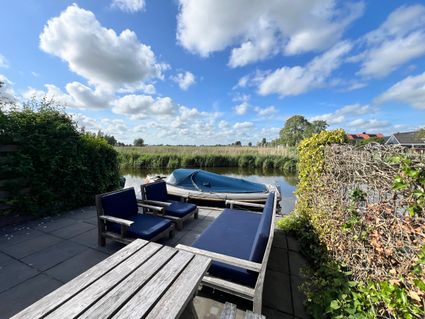
Book now
-
Kafee It wapen fân Fryslân
Kafee It wapen fân Fryslân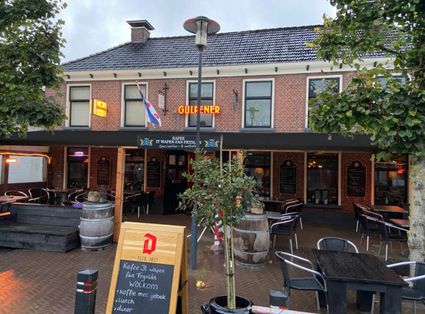
-
Bed & Breakfast ByPaula - Kamer gast
Bed & Breakfast ByPaula - Kamer gast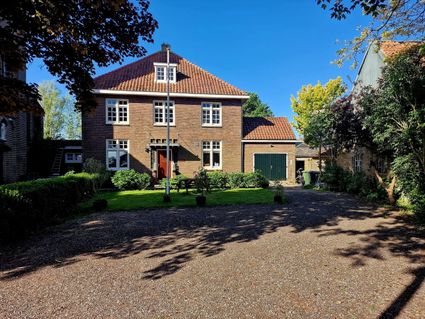
Book now
-
Natuurkampeerterrein minicamping Singel - Trekkershut
Natuurkampeerterrein minicamping Singel - Trekkershut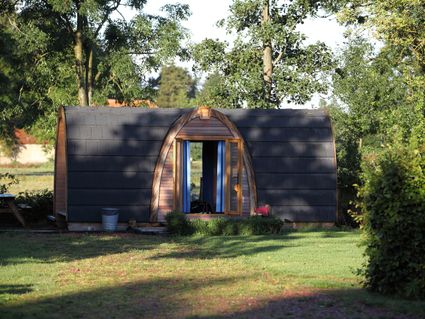
Book now