Locations
1777 to 1800 of 2882 results
-
Groate Kerk church in Sint-Jacobiparochie
Groate Kerk church in Sint-Jacobiparochie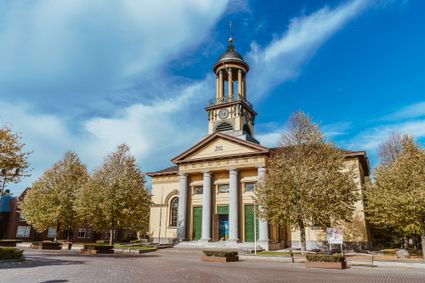
-
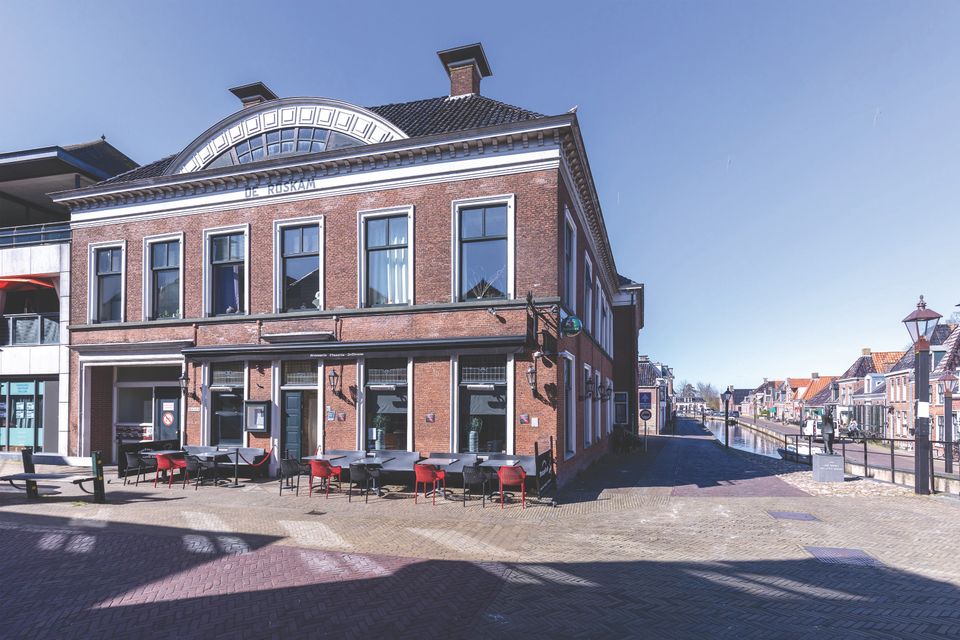
De Roskam
De Roskam
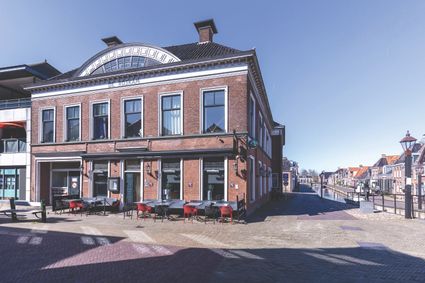
There was a time when Kollum boasted no fewer than sixteen establishments, ranging from pubs and cafés to inns and lodging houses. De Roskam has always been one of them.
Those who remember Kollum in the last century may still picture the signboard of landlord Bonne Hof: a stout little man in swimming trunks with bright red cheeks. According to local tradition, Bonne Hof gathered the sweet flag plants used in his own homemade Kalmus Berenburg from the nearby Alde Swimmer. During the 1950s, Kollum Berenburg was a popular local drink. Another story concerns his father, Sietse Jan, whose croquettes were said to be so delicious that people travelled all the way from Groningen and Leeuwarden to taste them.
Many more colourful stories surround De Roskam. During a German raid in the Second World War, the notary Wassenberg is said to have hidden in the attic, only to crash through the ceiling while still sitting on his chair. Another tale dates from 1952, when the chauffeur of the King's Commissioner, Linthorst Homan, misplaced his cap after spending the night at De Roskam. At first, it was considered a major scandal, and the cap was thought to have been stolen. The commissioner left Kollum in great anger. In the end, however, the cap was simply found and carefully returned by courier by the people of Kollum.
-
-
The lock at Iezumasyl
The lock at Iezumasyl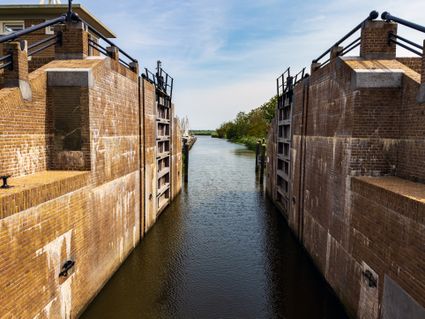
-
B&B Rijsterbosch - Kamer Eik
B&B Rijsterbosch - Kamer Eik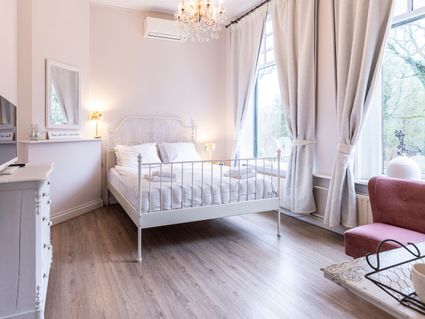
Book now
-
Harkema (De Harkema)
Harkema (De Harkema)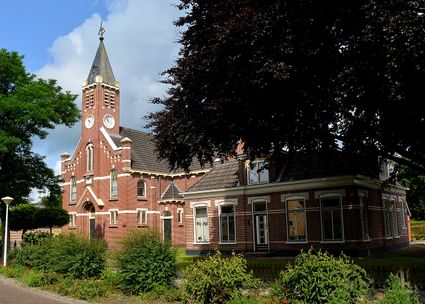
-
Friesland Boating Yachtcharter - Pikmeer 1100 Jamaica
Friesland Boating Yachtcharter - Pikmeer 1100 Jamaica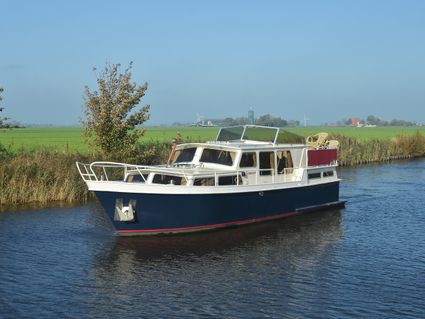
Book now
-
Klein Zwitserland Lakeside Beach
Klein Zwitserland Lakeside Beach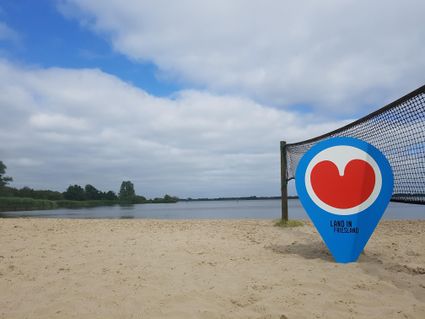
-
The harbour of Stavoren
The harbour of Stavoren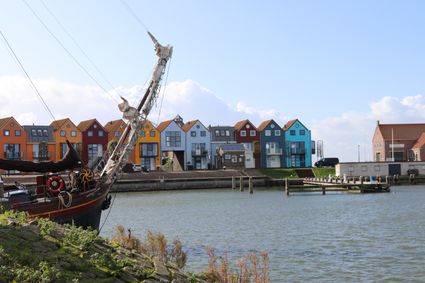
-
Marinaveste Campevaer
Marinaveste Campevaer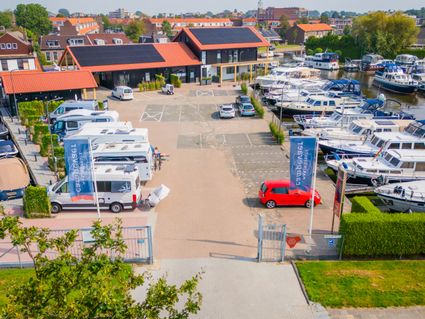
-
St. Nicholas Church Eastrum (Oostrum)
St. Nicholas Church Eastrum (Oostrum)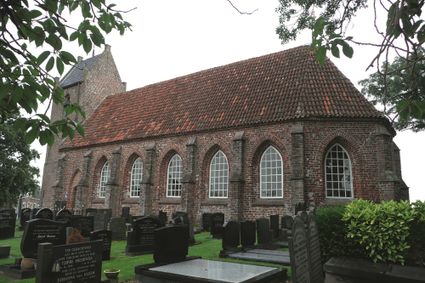
-
RCN de Potten - Bungalow de Optimist
RCN de Potten - Bungalow de Optimist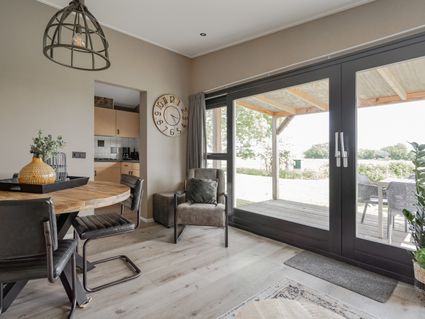
-
Eysinga State - Vakantiewoning Op ‘e Pleats
Eysinga State - Vakantiewoning Op ‘e Pleats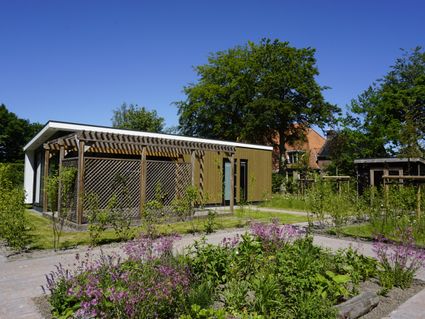
Book now
-
Boeren in het Bos
Boeren in het Bos
-
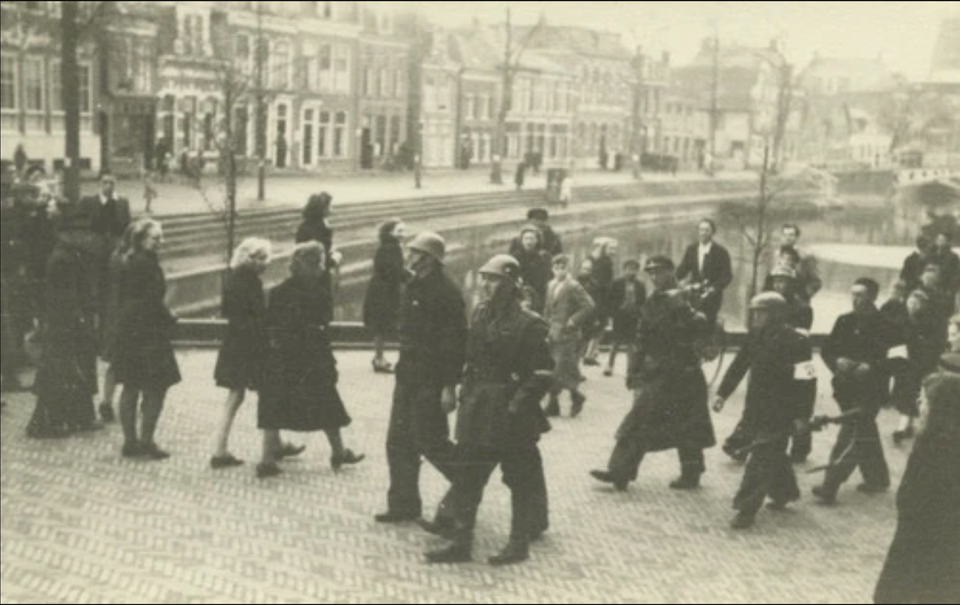
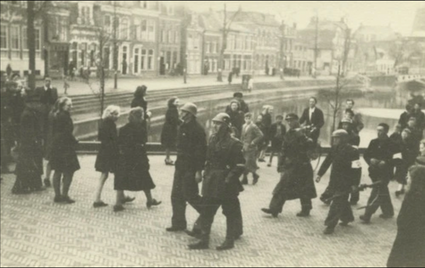
The liberation of Friesland 1
The liberation of Friesland 1
In early April, it became clear that the liberation of Friesland was imminent. Although the province had not suffered a real Hunger Winter like other parts of the Netherlands, there were severe shortages of just about everything. And the terror of the occupying forces was growing. This also led to increased resistance against the occupying forces. The battle between the two was tougher than ever in early 1945.
In Friesland, assault groups known as Knokploegen (KP) were responsible for most acts of resistance. But there were other groups too. On the orders of the Dutch government in London, all these groups were merged into the Dutch Domestic Armed Forces (NBS). In Friesland, this happened on 12 December 1944.
The NBS, popularly referred to as the BS, gave the armed resistance an organisation with a clear structure. The NBS was also supposed to play a role in the upcoming liberation. To this end, resistance groups were provided with weapons from autumn 1944. These were dropped from the air.
On 8 April, Radio Orange broadcast the message "The bottle is empty." This was the signal for the NBS to start carrying out sabotage operations 36 hours later. The aim was to make it as difficult as possible for the Germans to defend themselves against the approaching Allied forces.
The resistance did this by putting bridges and railways out of order, blocking waterways and blocking roads. The response of the occupying forces was ruthless. In retaliation, dozens more prisoners were shot at different times and places.Once the Canadians entered Friesland on 12 April, they were supported extremely effectively by the Frisian resistance. Because it was superbly organised, they were able to help the Canadians take control of important bridges, repair damaged bridges, and advise on the most favourable route.
By 18 April, the whole province was liberated except for the Wadden Islands (these were liberated in late May and in June). Compared to other provinces, there was little fighting in Friesland. Overall, the few thousand German troops who had been unable to flee Friesland were defeated by the Canadians relatively quickly.
The commander of the Royal Canadian Dragoons, Lieutenant Colonel Landell, praised the actions of the resistance by stating "Friesland liberated herself." While that may be a bit of an exaggeration, the actions of the Frisian resistance undoubtedly accelerated the liberation. And reduced the number of casualties on the Allied side.
In confrontations with German troops and their Dutch accomplices, at least 31 resistance fighters lost their lives. On the Allied side, at least eleven Canadians and one Frenchman were killed. The fighting and shelling also resulted in dozens of civilian casualties. The number of casualties on the German side is not known, but probably ran into the hundreds. With 320 houses destroyed and 4,000 damaged and 80 bridges destroyed, Friesland was materially the least damaged province in the Netherlands.
-
-
Waterherberg It Beaken - Watervilla It Beaken
Waterherberg It Beaken - Watervilla It Beaken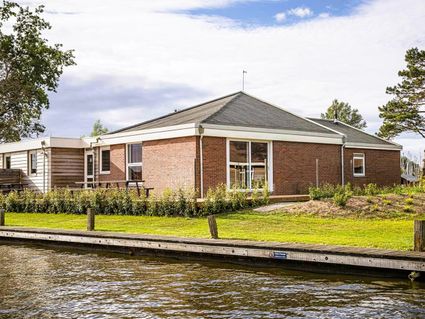
Book now
-
Waterrecreatie Syperda - Lady Alice Grace
Waterrecreatie Syperda - Lady Alice Grace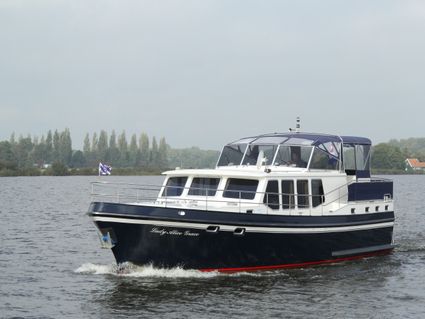
Book now
-
Zeilschip Middelsee
Zeilschip Middelsee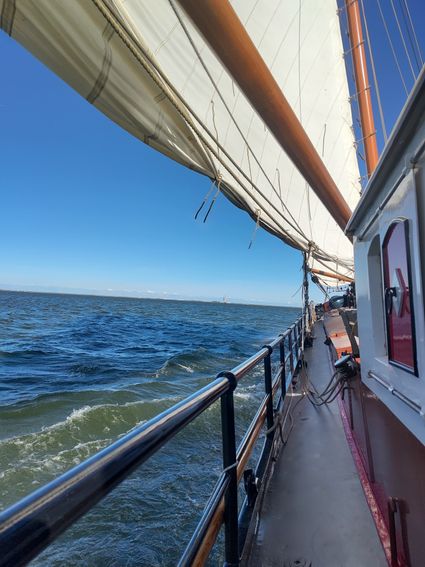
-
Pancake train
Pancake train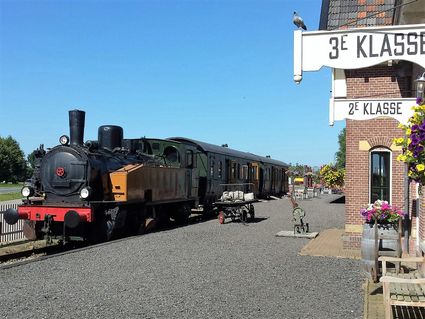
-
Spanga Bell Tower
Spanga Bell Tower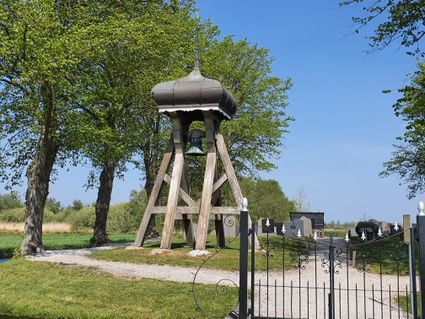
-
Pata Negra Tapas Sneek
Pata Negra Tapas Sneek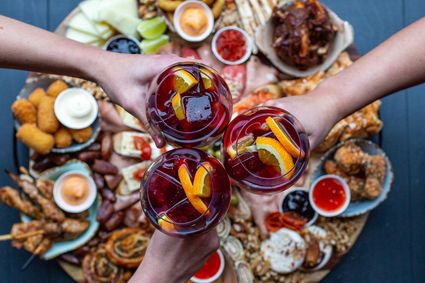
-
Lanterfanter
Lanterfanter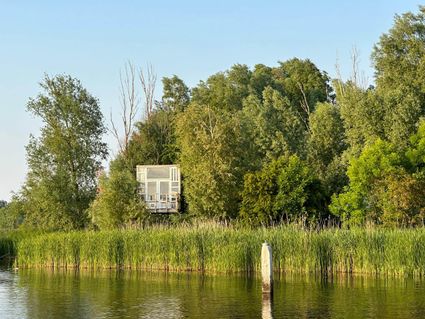
-
Hempolders
Hempolders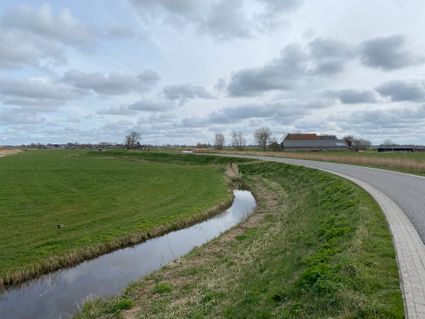
-
Familieboten - Fardou
Familieboten - Fardou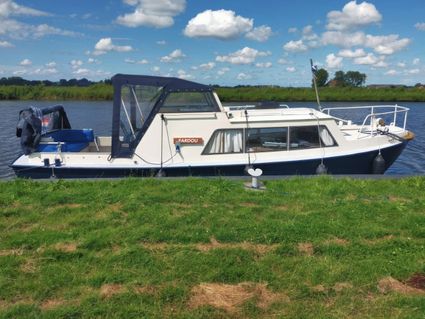
Book now
-
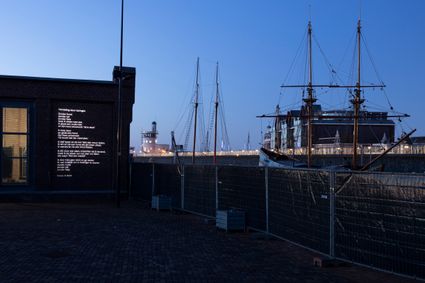
Entrepotgebouw - Poetry route
Entrepotgebouw - Poetry route