Locations
2713 to 2736 of 2864 results
-
Dyksputten
Dyksputten
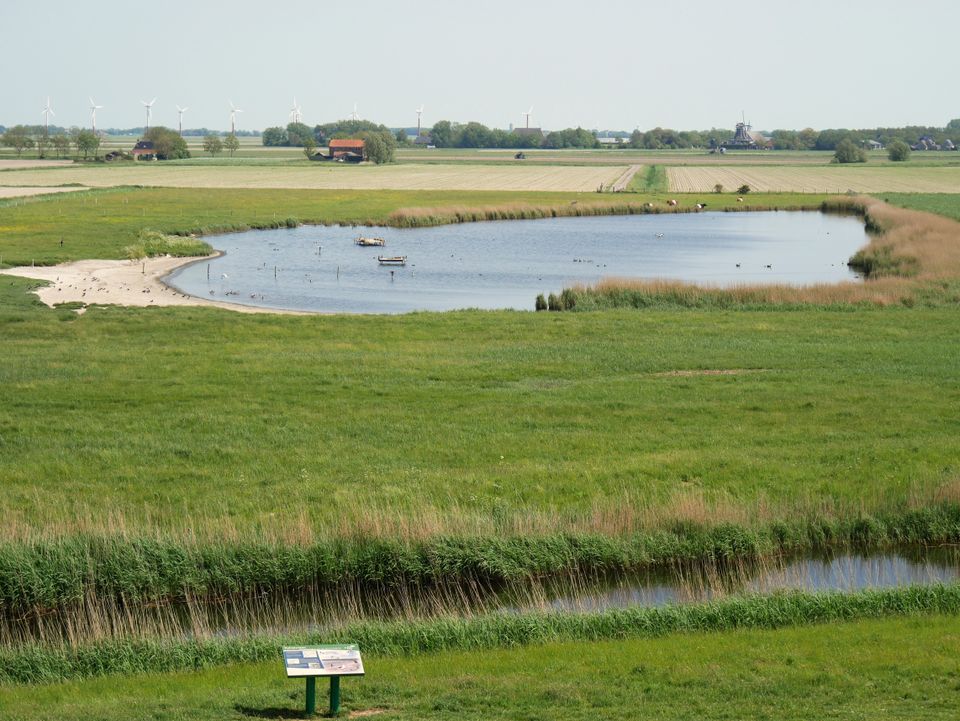
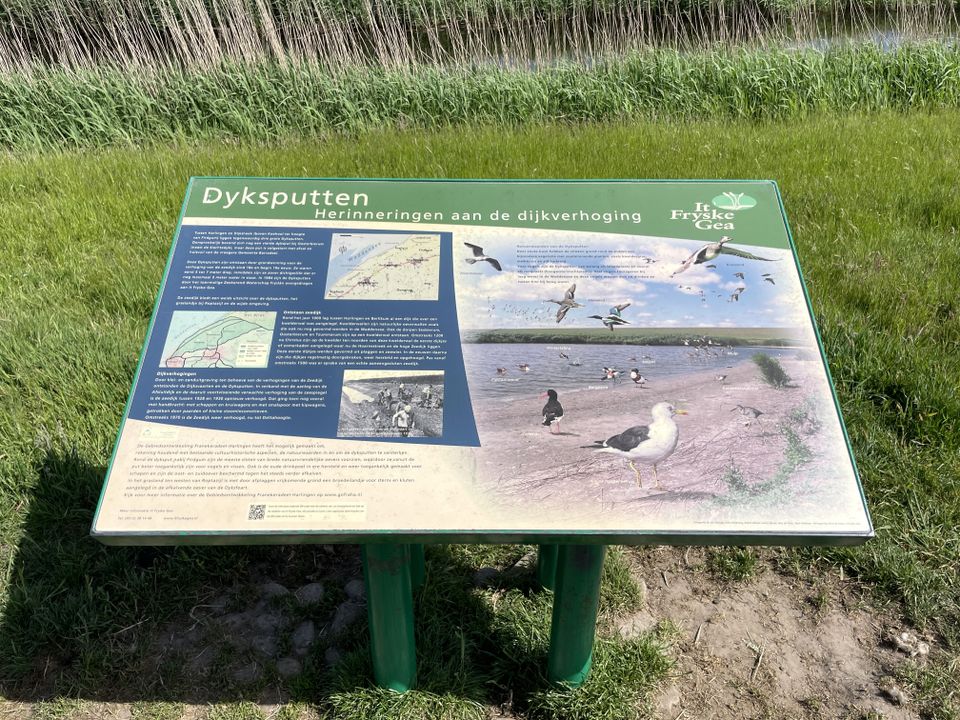
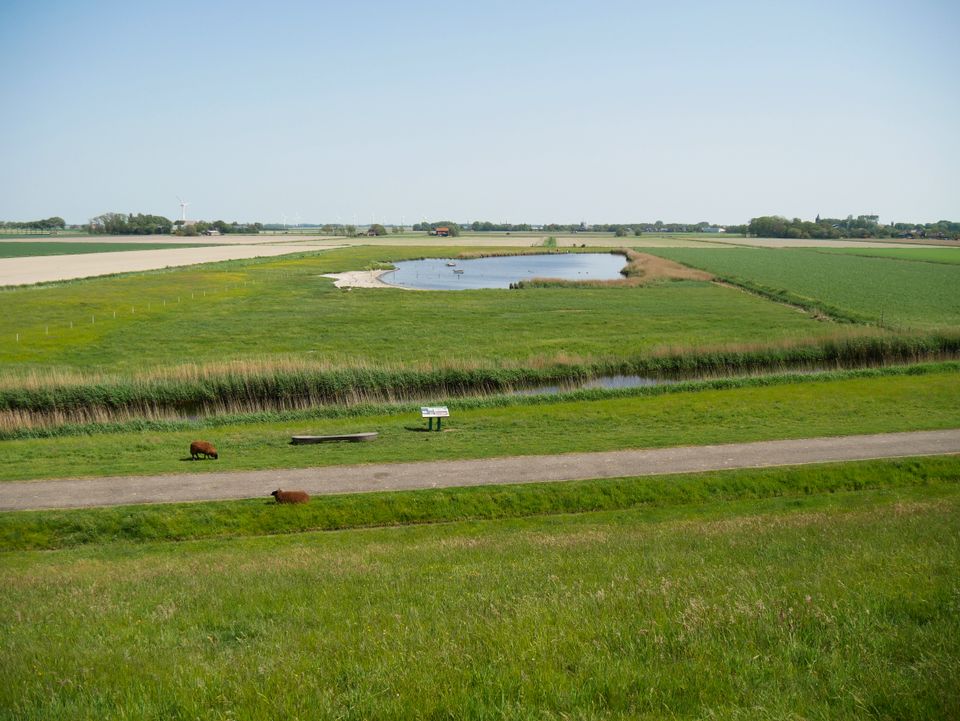
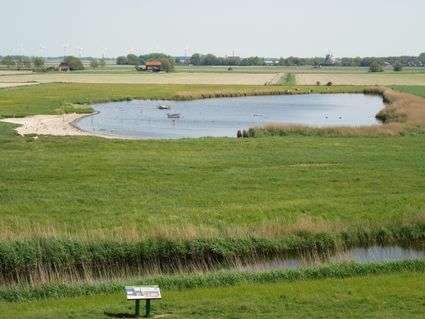
Dyksputten are historic clay pits along the Frisian Wadden Sea dike. They were created in the 19th century by extracting clay, which was used to raise and strengthen the sea dike.
The Dyksputten can be found at several locations in the area behind the sea dike around the villages of Sexbierum and Oosterbierum, in the municipality of Waadhoeke.
Today, these low-lying, brackish nature areas provide resting and breeding grounds for birds and rare plant species. Some of the Dyksputten are as deep as 3 metres.
-
-
Hotel Country Rose
Hotel Country Rose
-
Wijnlokaal Bij de Mannen
Wijnlokaal Bij de Mannen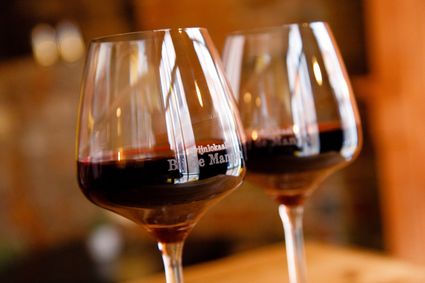
-
Stichting Signaal Beheer - De Elzenbeam
Stichting Signaal Beheer - De Elzenbeam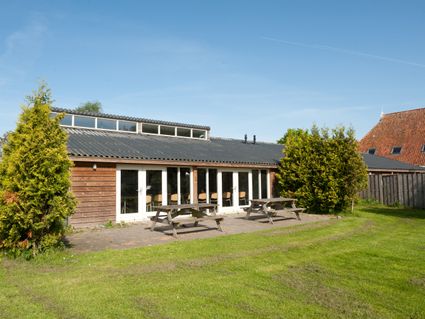
-
Fogelsangh State Country House and Estate
Fogelsangh State Country House and Estate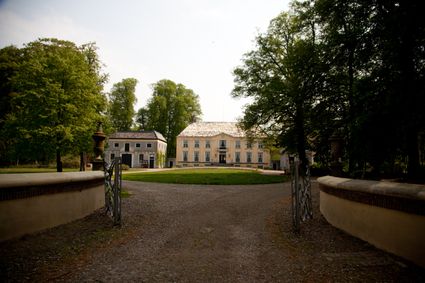
-
Demonstration horse-driven lifeboat
Demonstration horse-driven lifeboat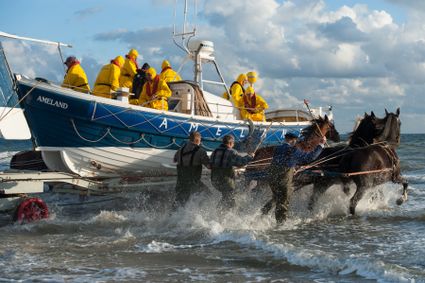
-
Oudemirdum
Oudemirdum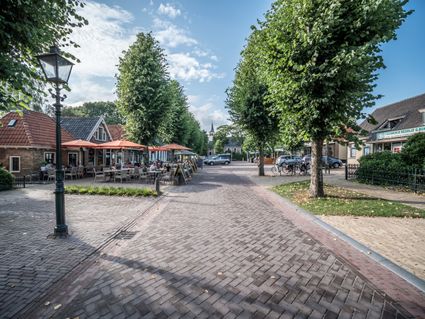
-
Pathé Leeuwarden
Pathé Leeuwarden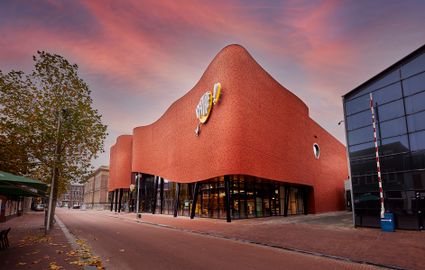
-
Former railway station Wijnaldum
Former railway station Wijnaldum
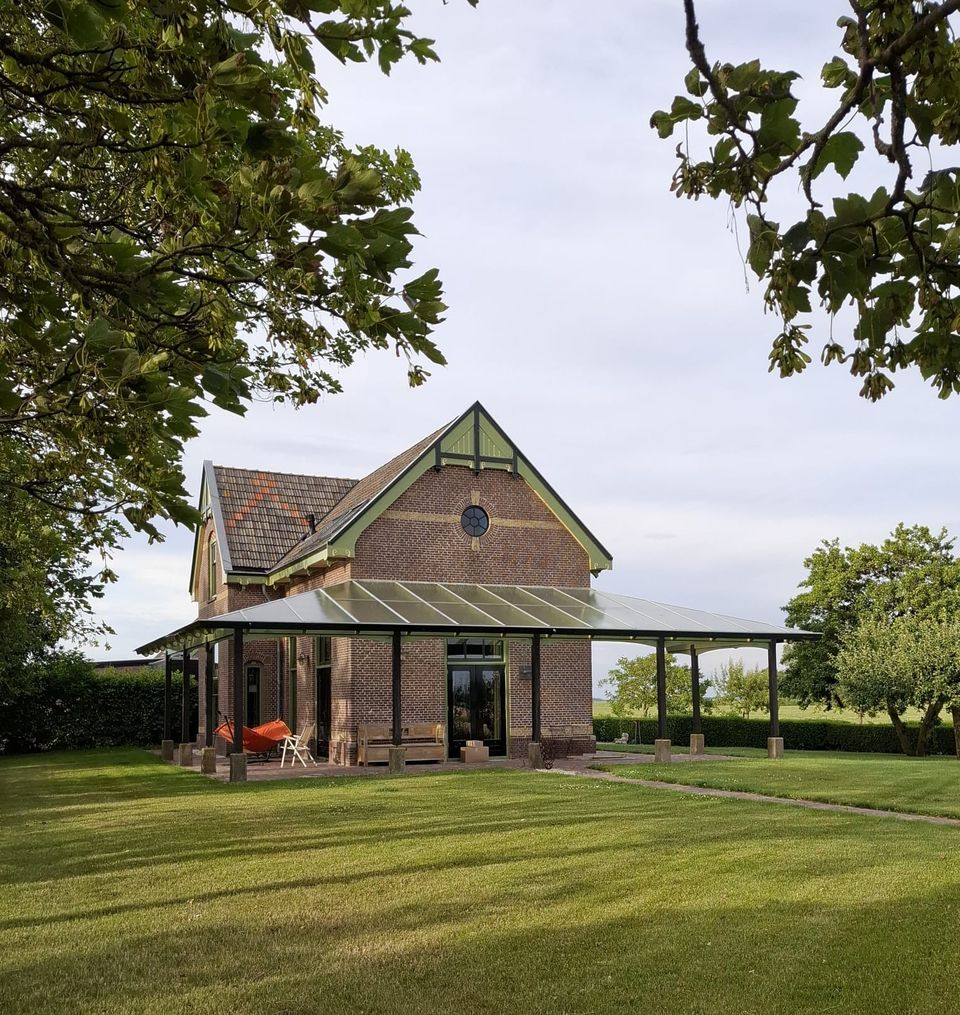
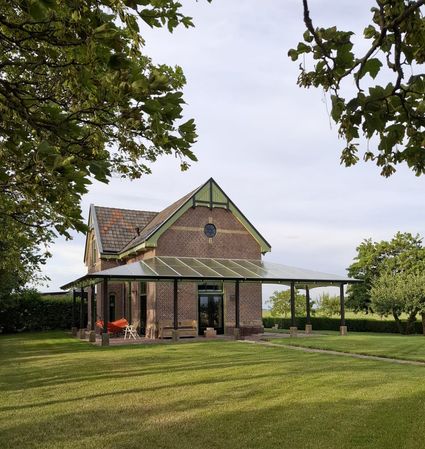
The former Wijnaldum railway station recalls the local railway line that connected the village with Harlingen, Leeuwarden and Stiens between 1903 and 1936. The carefully restored station building is one of the few surviving reminders of this historic railway connection.
Wijnaldum (station abbreviation: Wnd) was a stop on the former railway line between Stiens and Harlingen. Located near the hamlet of Voorrijp, the station opened on 1 October 1903. Passenger services continued until 15 May 1935.
The station building was constructed according to the NFLS Standard Type, a design used by the North Frisian Local Railway Company for several stations and halts throughout Friesland. Wijnaldum was classified as a third-class halt within this standard design.
-
-
Public toilet Prins Hendrikkade in Sneek
Public toilet Prins Hendrikkade in Sneek
-
Woonboot Oudega
Woonboot Oudega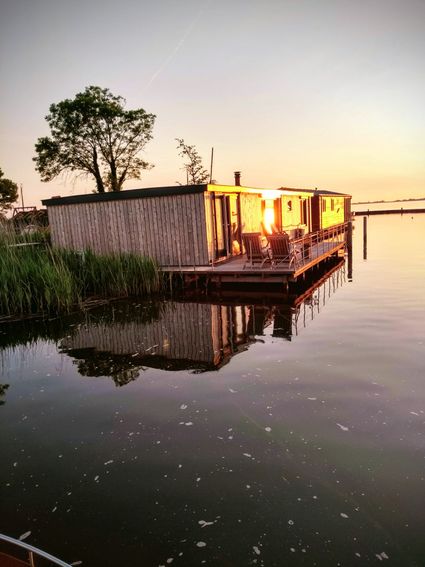
-
St Boniface Chapel
St Boniface Chapel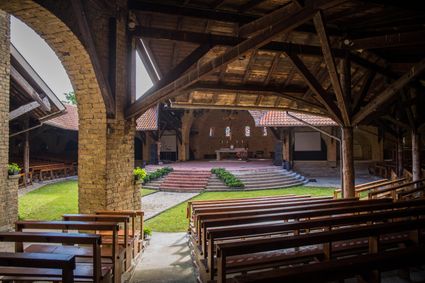
-
skûtsje Gudsekop
skûtsje Gudsekop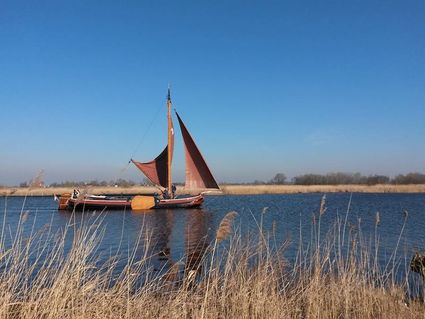
-
Vakantiepark De Kuilart - vakantiehuizen - Waterchalet 4/5 persoons
Vakantiepark De Kuilart - vakantiehuizen - Waterchalet 4/5 persoons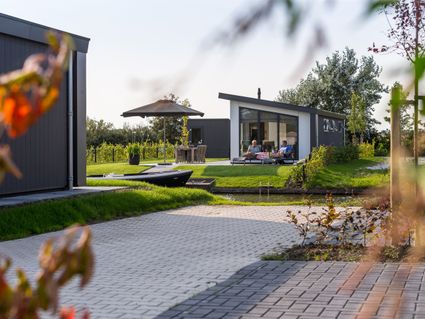
-
Eysinga State - Landhuisbungalow seis
Eysinga State - Landhuisbungalow seis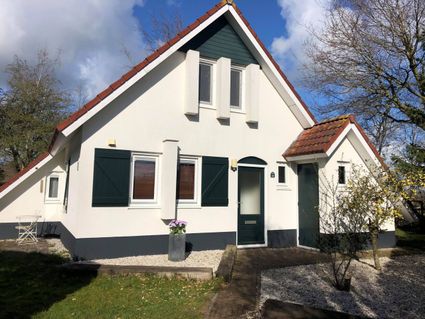
Book now
-
Madame Fromage
Madame Fromage
-
't Bûterhûs - Appartement Bos
't Bûterhûs - Appartement Bos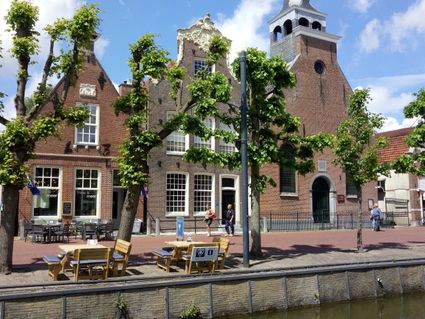
Book now
-
Ambush at Oldeholtpade
Ambush at Oldeholtpade
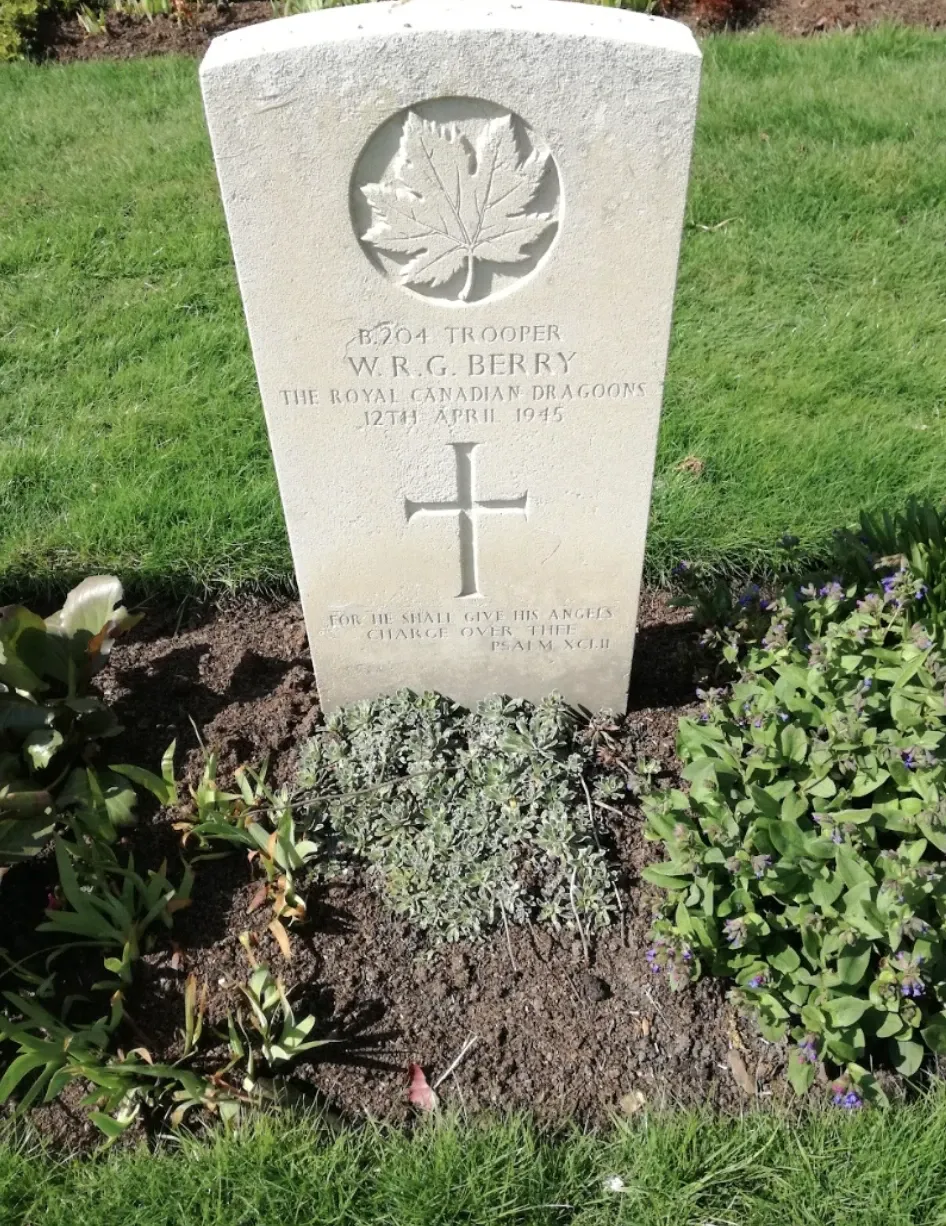
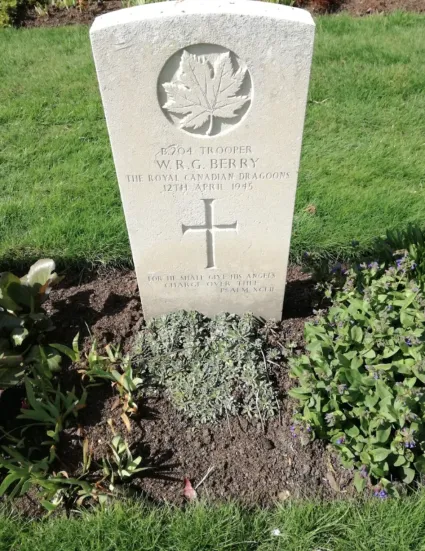
On 12 April, the bridge over the Tjonger in Mildam fell into the hands of the Royal Canadian Dragoons reconnaissance regiment. Because the occupier had blown up many other bridges, the Canadians attached great importance to preserving this bridge for the crossing of other Canadian units. That is why dozens of armoured cars, mobile artillery guns and numerous other vehicles were sent to Mildam that day to reinforce the bridgehead over the Tjonger.
In one of those armoured cars, a Staghound, was 24-year-old Trooper Wilfred Robert George Berry from Ontario. The young Canadian had volunteered for military service in Europe. And had already fought with the Royal Canadian Dragoons in Italy. At the end of February 1945, they were transferred to Northwest Europe.
For Berry, the war ended in Friesland. In Oldeholtpade, on the road to Wolvega, his vehicle drove into an ambush along with at least one other Staghound. In the vicinity of a broken-down German car, German soldiers had hidden with Panzerfausts. The Panzerfaust was a very powerful and easy-to-use anti-tank weapon. The first shot missed, but the second projectile hit the front Staghound, on the side where driver Wilfred Berry was sitting at the time.2 The Staghound went off the road and overturned. The three other crew members got injured, but were able to leave the vehicle and took cover behind the second Staghound. One of them stated:
"[…]Flames burst through the turret, where the officer and I were half in and half out of the hatches. Any skin surface not covered was burned and the flames badly singed our eyebrows, eyelashes, moustaches and hands, sending me and the officer both wounded to the field hospital."3
Immediately after the first Staghound was hit, the second Staghound opened fire on the Germans. Seriously injured, Wilfred Berry remained in the vehicle. After about fifteen minutes of shooting back and forth, the other Staghounds retreated towards Oldeberkoop. The exact reason for this remains unclear. Berry was already dying and was briefly cared for by the elderly Andriesje Dekker-Oosterhof in the vehicle when the shooting had stopped. The tragedy had unfolded right in front of her house. He died in the wreck shortly afterwards.
Berry's remains were eventually transferred to the farm on "De Bult" in Oldeberkoop and buried there. After the war he would be reburied at the Canadian war cemetery in Holten. The other crew members were eventually able to return to their units after receiving medical treatment. The commander only had burns on his face.
The event made a deep impression on the inhabitants of Oldeholtpade. In 1945, a monument to Berry was erected. And in 1965, a street was named in his honour.
-
-
Museum 't Ponthús
Museum 't Ponthús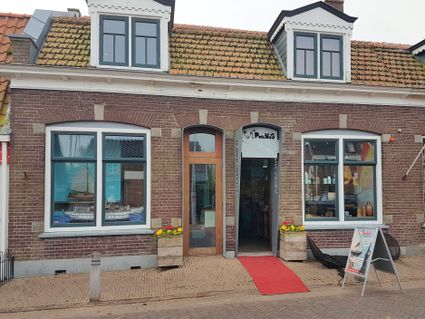
-
Aylvapoldermill Burgwerd
Aylvapoldermill Burgwerd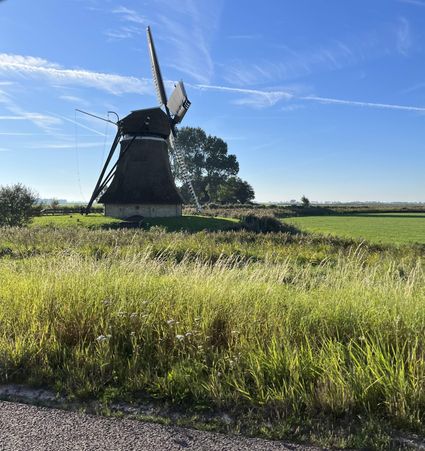
-
Friesland Boating Yachtcharter - Ten Broeke kruiser Ibiza
Friesland Boating Yachtcharter - Ten Broeke kruiser Ibiza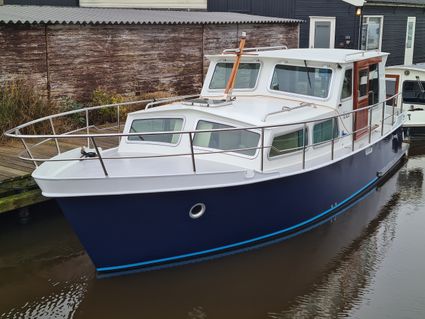
Book now
-
Ottenhome Heeg- boten - Valk Kruiser 1200
Ottenhome Heeg- boten - Valk Kruiser 1200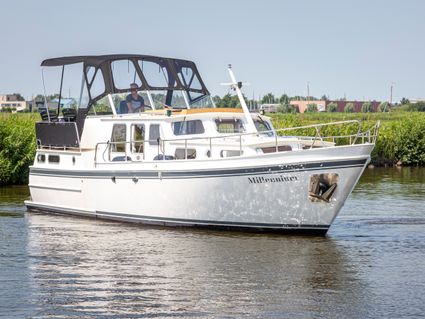
Book now
-
Minicamping Pressefinne
Minicamping Pressefinne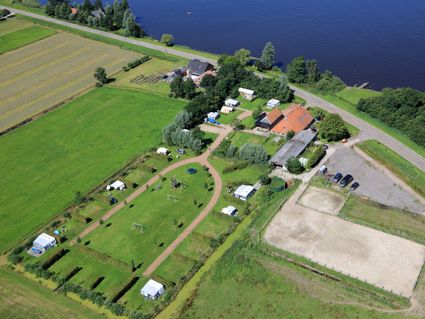
-
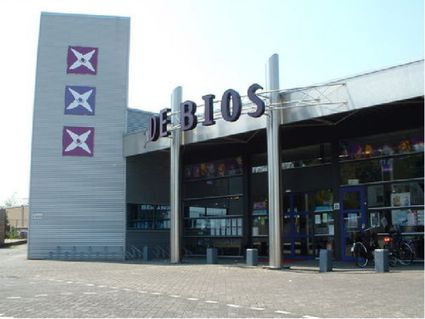
De Bios Drachten
De Bios Drachten