Locations
1969 to 1992 of 2877 results
-
Eleven fountains of Friesland
Eleven fountains of Friesland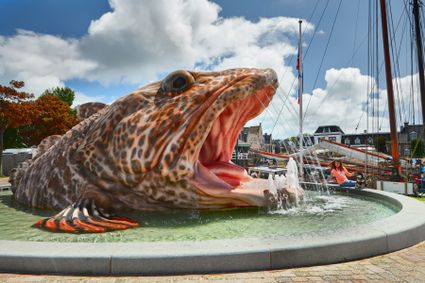
-
Vakantiehuis Bosk en Wetter
Vakantiehuis Bosk en Wetter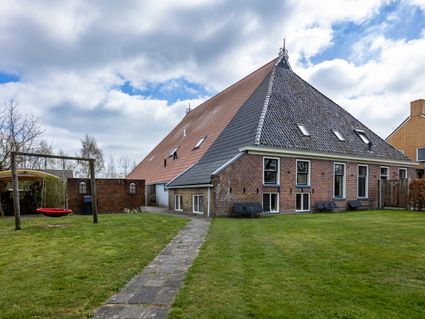
Book now
-
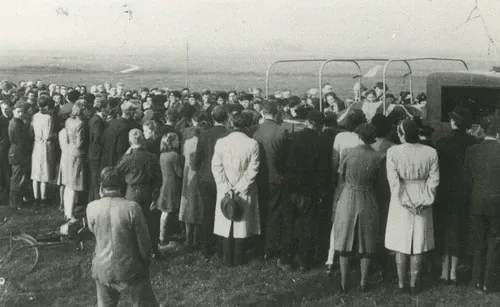
Attack on the port of Oostmahorn
Attack on the port of Oostmahorn
The liberation of the north-eastern part of Friesland was not achieved without a struggle. The Dutch Domestic Armed Forces (NBS) and Canadian troops fought fierce battles, partly side by side. It was mainly occupiers fleeing in panic who caused fights and shootings that claimed victims on both sides. A fierce battle was also fought over the port of Oostmahorn.
After the liberation of Dokkum, Kollum and Dokkumer Nieuwe Zijlen, the attention of the Canadian troops turned to the port of Oostmahorn. It was the gateway to the island of Schiermonnikoog, which was part of the German defence line, the Atlantic Wall. This bulwark ran along the coasts of France to Norway. During the war, and extensive occupying force was stationed on the Wadden Island.
The village of Oostmahorn was "relieved" by the Dutch Domestic Armed Forces (NBS) on Saturday, 14 April, after the German Grenzschutz (border control) left in silence for Schiermonnikoog. Meanwhile, a group of more than a hundred fleeing SS and SD men and a dozen women crossed the Lauwerszee from Groningen near Zoutkamp with three boats to the island. A number of them were high-ranking SD members of the infamous Scholtenhuis in Groningen. When the NBS saw them sailing past from the port of Oostmahorn, shots were fired back and forth.
The German occupying forces on Schiermonnikoog then wanted to take revenge. The village and the port of Oostmahorn were attacked from the island for two hours on Monday, 16 April. A convoy of three Dutch boats left for the port with the aim of landing there. Meanwhile, the help of the B-Squadron of the Royal Canadian Dragoons (1st Armoured Carrier Regiment) in Dokkum had been called in. The attack was narrowly repelled, but two Canadian soldiers from a reconnaissance group were killed. A defence line of foxholes and armoured vehicles was erected around the village.
Further reinforcements were called in that day from Leeuwarden, where C Company of the North Nova Scotia Highlanders were sent to the coastal strip to patrol for German landing attempts.
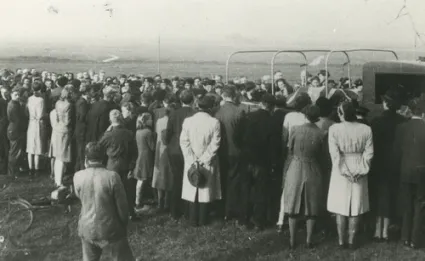
After a brief but heavy shelling from the Canadians as a warning, a mediator was sent to the island the next day. The highest-ranking SD officer refused to surrender. They were waiting for an escape with a Schnell boat that was to take them to the German Wadden island of Borkum on 3 May. That turned out to be in vain, but in the meantime they kept the island occupied, even after the general capitulation of the whole of the Netherlands on 5 May.It was not until 11 June that two boats, the MS Waddenzee and the MS Brakzand, transported the last occupiers of Schiermonnikoog to the port of Oostmahorn. A column of army trucks packed with prisoners of war left the port under the guard of the Allies. From there they went to the POW camp in Beerta (Groningen).
-
-
Post-Plaza Grand Café
Post-Plaza Grand Café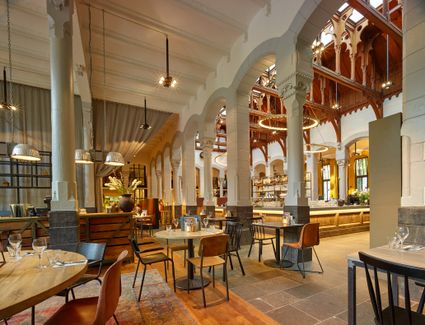
-
Restaurant De Fûke
Restaurant De Fûke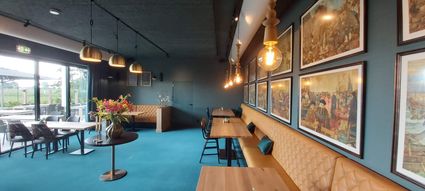
-
Hotel Stedswal
Hotel Stedswal
-
Beach Resorts Makkum - Schakel 4 persoons
Beach Resorts Makkum - Schakel 4 persoons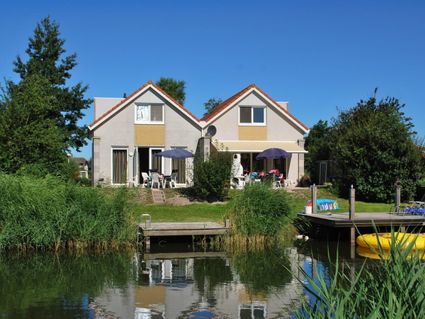
Book now
-
Workum Tourist Information - Eleven Cities Stamp Point
Workum Tourist Information - Eleven Cities Stamp Point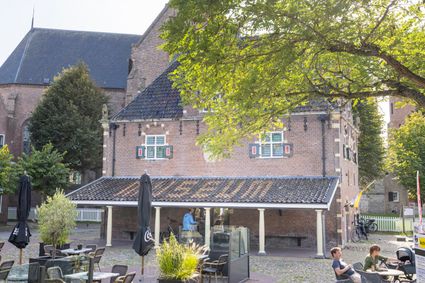
-
Eleven Cities Tour sculpture Aukje in Leeuwarden
Eleven Cities Tour sculpture Aukje in Leeuwarden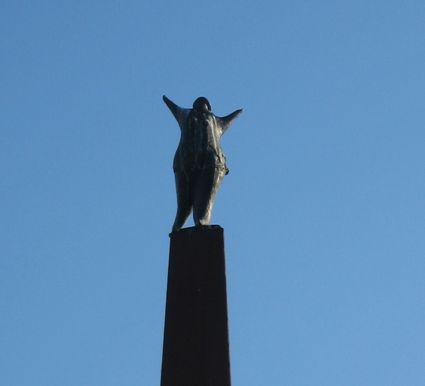
-
Notiz Hotel
Notiz Hotel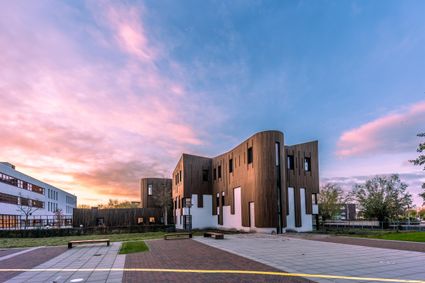
-
Wellekom Watersport - Motorboot Goudvink
Wellekom Watersport - Motorboot Goudvink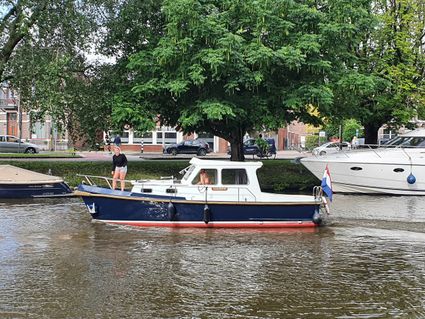
Book now
-
Watervillapark Idskenhuizen - Nije Dei
Watervillapark Idskenhuizen - Nije Dei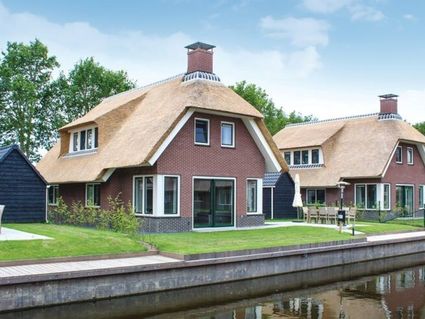
Book now
-
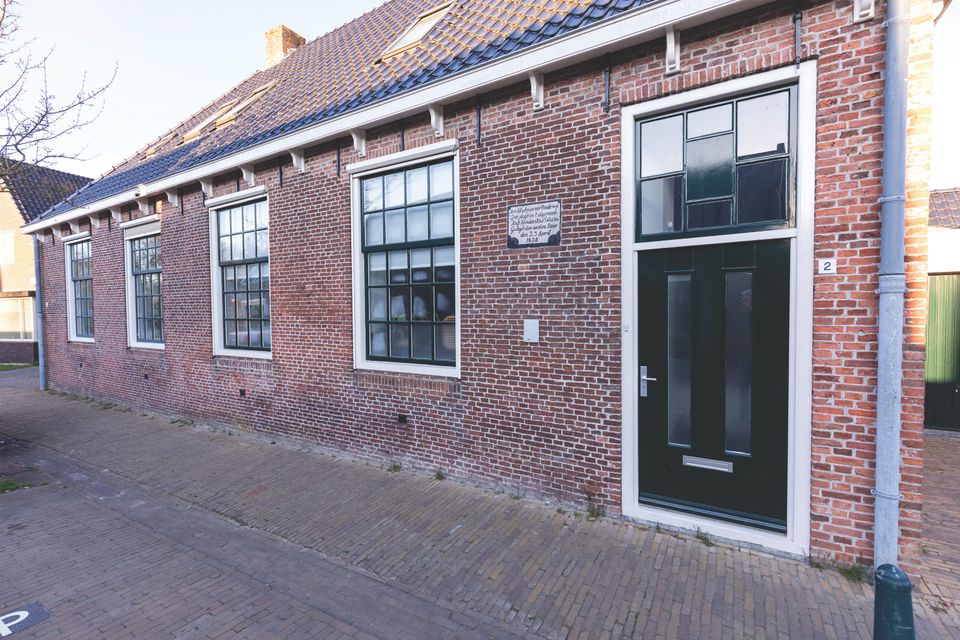
Former Infant School
Former Infant School
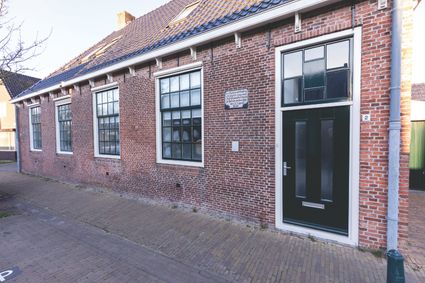
At the intersection of Voorstraat and Meester Andreaestraat stands the former bewaarschool, or infant school. A bewaarschool was a form of pre-school education in the Netherlands and Belgium during the 19th and early 20th centuries.
The infant school was intended for children between the ages of about three and six, before they entered primary school. The Dutch name literally means a place where children were “looked after” while their parents were at work. In practice, they received basic education, learning skills such as listening, counting, and playing together under supervision. The bewaarschool is regarded as the forerunner of today's daycare centres and preschool programmes.
The infant school in Kollum dates from 1828 and is located on the eastern side of the village. At that time, just as on the western side of Voorstraat, the area around the school was home to many small businesses and craftspeople. There was a farmer with a small slaughterhouse, carpenters lived and worked here, and there was a combined butcher's shop and livestock business, as well as a steam-powered grain mill with an animal feed business. The neighbourhood also included a small wholesale dealer in butter, cheese and buttermilk supplied by the factory at Dokkumer Nieuwezijlen, a liquor store, a blacksmith's workshop and a tailor's shop. On the opposite side of the street from the infant school stood a grocery store and a cigar shop.
-
-
SPOT Langweer
SPOT Langweer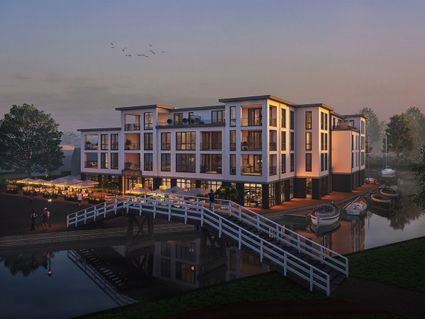
-
Molen de Hoop
Molen de Hoop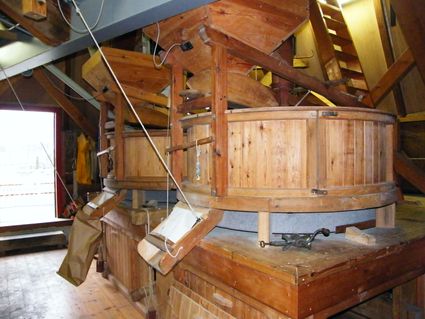
-
Buitenhuis Zonneroos - Groepsaccommodatie Zonneroos
Buitenhuis Zonneroos - Groepsaccommodatie Zonneroos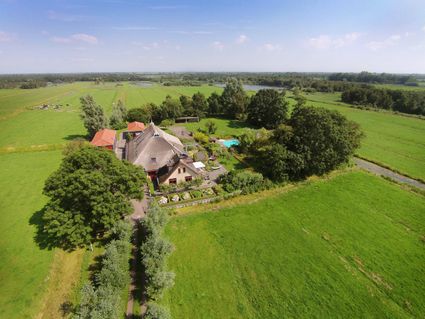
-
Groepsaccommodatie 'Kubus'
Groepsaccommodatie 'Kubus'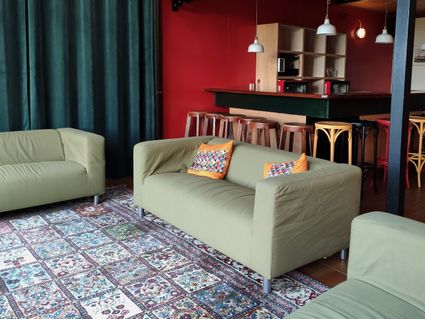
Book now
-
Walburga Church in Drogeham
Walburga Church in Drogeham
-
Stay in a Converted Hopper
Stay in a Converted Hopper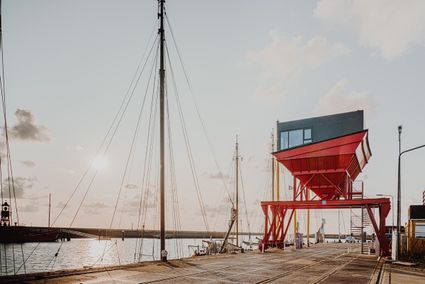
-
Húns 16
Húns 16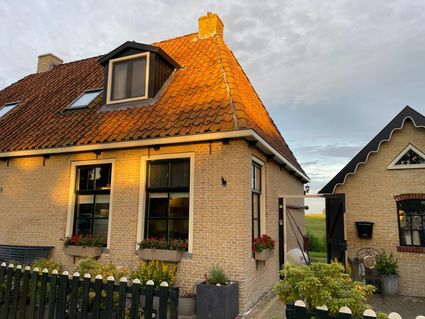
-
Aquacamping en Jachthaven De Rakken - Kampeerplaats Comfort
Aquacamping en Jachthaven De Rakken - Kampeerplaats Comfort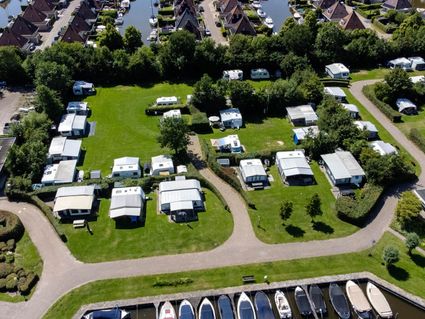
Book now
-
Stadslogement Westersingel - Bovenkamer Stadszicht
Stadslogement Westersingel - Bovenkamer Stadszicht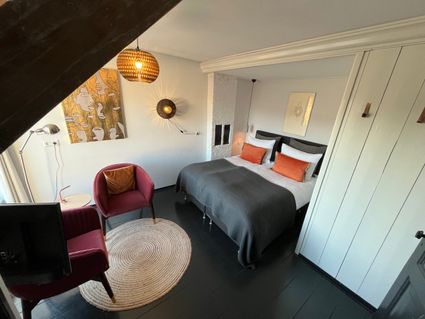
Book now
-
Tour de Wadden
Tour de Wadden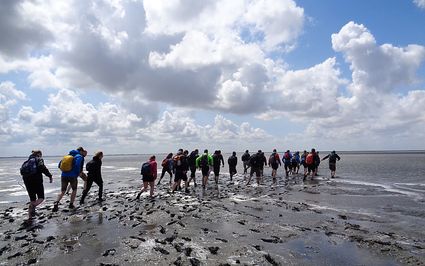
-
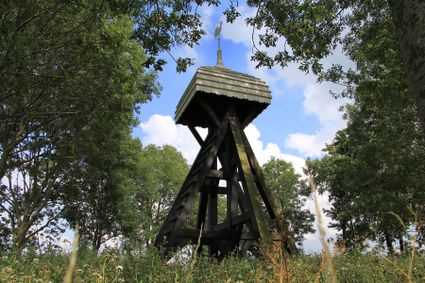
Klokkenstoel Indijk
Klokkenstoel Indijk