Locations
1561 to 1584 of 2807 results
-
Logement Hartje Leeuwarden
Logement Hartje Leeuwarden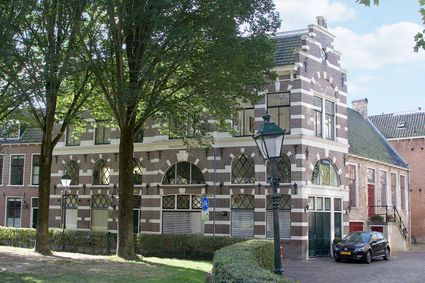
-
RCN de Potten - Tentvilla de Potten
RCN de Potten - Tentvilla de Potten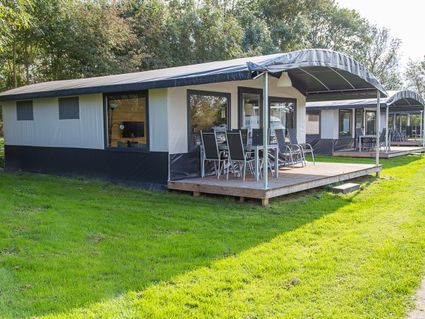
-
Special Beer Cafe de Markies
Special Beer Cafe de Markies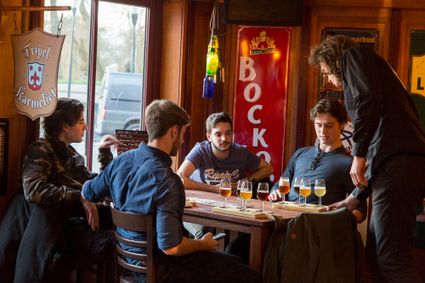
-
Remains of the Atlantic Wall in Harlingen
Remains of the Atlantic Wall in Harlingen
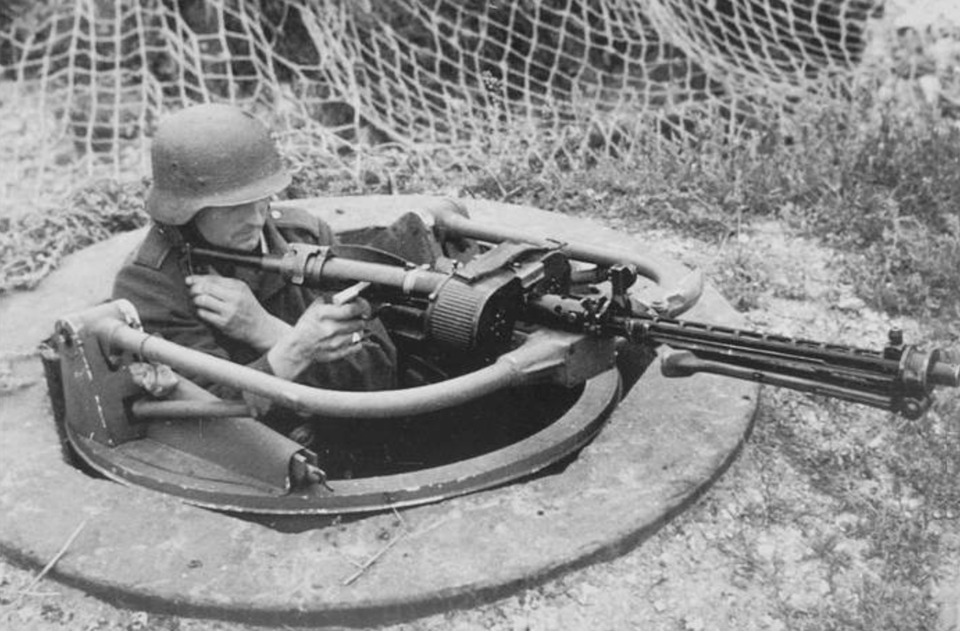
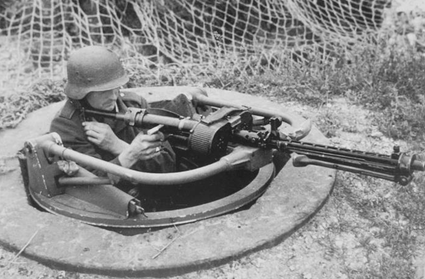
The bunkers at Harlingen were part of the Atlantic Wall: the more than 6,000-kilometer-long German defense line from Norway to Spain. The Atlantic Wall is one of the largest structures of the 20th century.
The line was built during the Second World War between 1942 and 1945 to prevent an Allied invasion of the Western European mainland from the sea. The Atlantic Wall was a series of separate smaller and larger support points that could give each other fire support.
In many cases they consisted of bombproof bunkers, sometimes with a wall and roof thickness of at least two meters of reinforced concrete. Due to a lack of labour, equipment and fuel, only 510 bunkers of the planned 2000 had been built in the Netherlands. In the English Garden in Harlingen is a German bunker that was part of the Atlantic Wall. It concerns a Communications Command Post with which the Germans coordinated the Frisian coastal defences.
-
-
Recreatie in de Tuin • Chalets
Recreatie in de Tuin • Chalets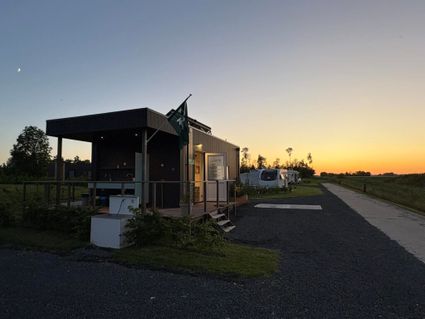
-
Under de Wol - Boerderij appartement Twa
Under de Wol - Boerderij appartement Twa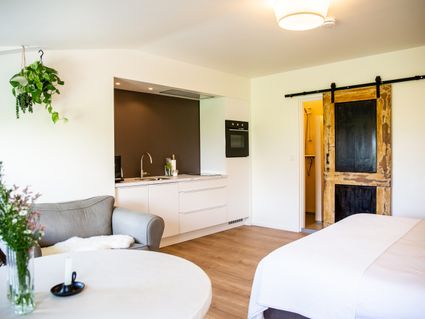
-
de Markestee - de Markestee
de Markestee - de Markestee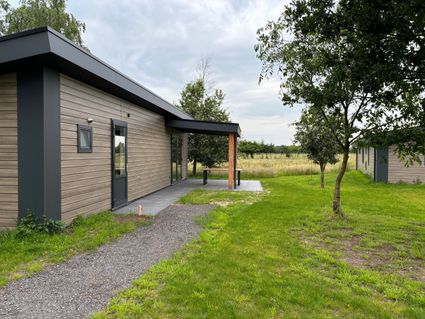
Book now
-
Monkey Town
Monkey Town
-
Wellekom Watersport
Wellekom Watersport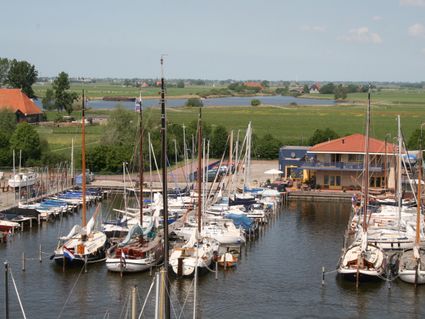
-
Beach Resorts Makkum - Star 4 personen
Beach Resorts Makkum - Star 4 personen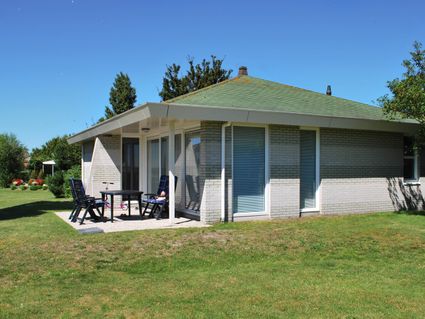
Book now
-
Hotel Workum - Standaard kamer
Hotel Workum - Standaard kamer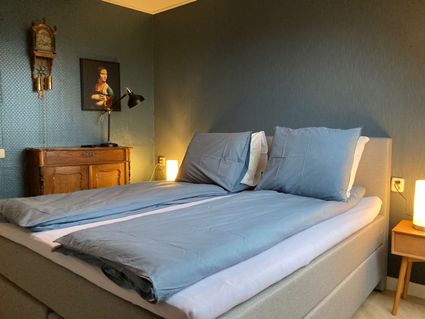
Book now
-
B&B Vossepark
B&B Vossepark
-
Welgelegen - Trekkershut
Welgelegen - Trekkershut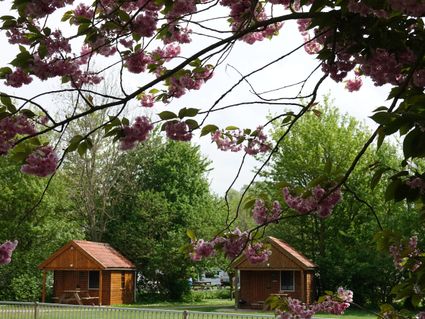
Book now
-
Vakantiehuis in Gaastmeer
Vakantiehuis in Gaastmeer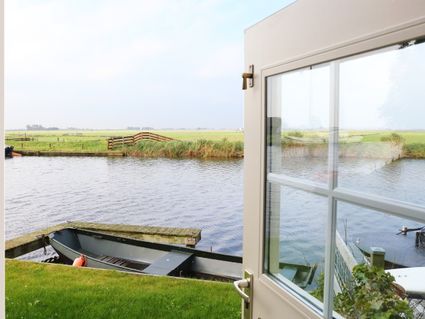
Book now
-
Huisboot Vakanties - VaarLoft 'Pur Sang'
Huisboot Vakanties - VaarLoft 'Pur Sang'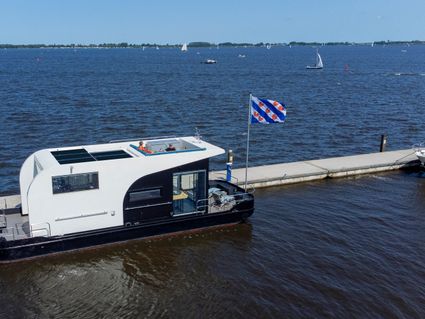
Book now
-
BoerdeRijlst
BoerdeRijlst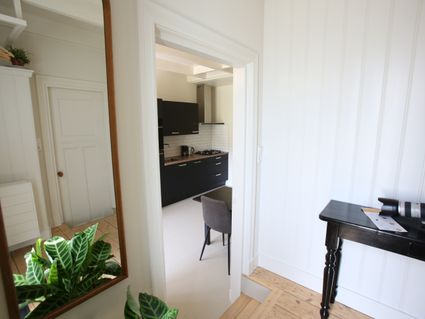
Book now
-
Vakantiepark De Kuilart - vakantiehuizen - Veranda Bungalow
Vakantiepark De Kuilart - vakantiehuizen - Veranda Bungalow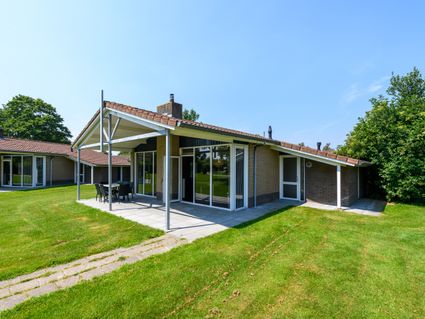
-
Waterrecreatie Syperda - Ringwiel
Waterrecreatie Syperda - Ringwiel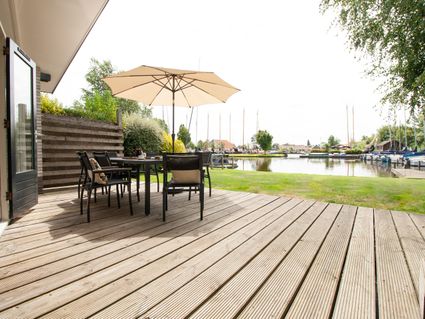
-
Baylings
Baylings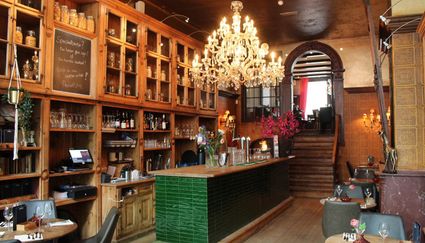
-
Aan het Water - Wetterhaghe - Meerzicht
Aan het Water - Wetterhaghe - Meerzicht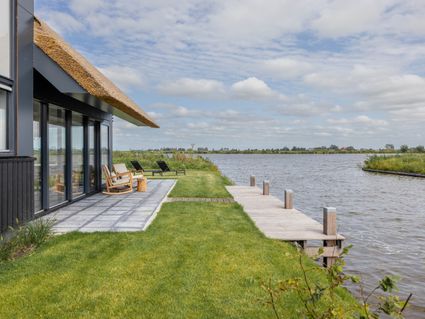
Book now
-
The battle for the Tjonger bridge in Mildam
The battle for the Tjonger bridge in Mildam
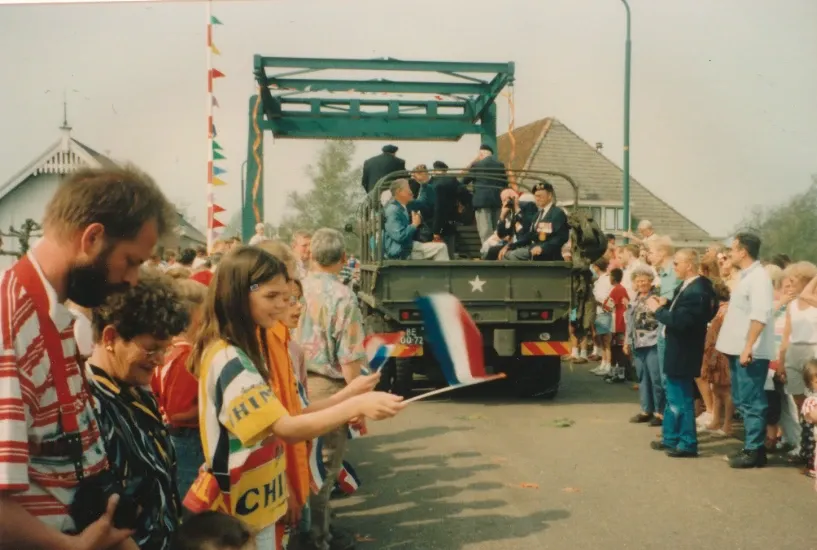
In the afternoon of 12 April, rumours had reached Mildam that Englishmen or perhaps Canadians had been sighted at Peperga. The Canadian vanguards had entered Friesland. For the inhabitants of Mildam it was still a surprise when at first one and shortly afterwards another military vehicle with a few men in khaki-coloured overalls stopped at the bridge.
These vehicles were part of a patrol of "D" Squadron Royal Canadian Dragoons commanded by Lieutenant Homer Thomas. These Canadians established that unlike other bridges, the bridge in Mildam over the Tjonger had not yet been blown up by the occupying forces. The fact that the Tjonger bridge in Mildam had not been destroyed was due to the local resistance movement. The Germans had indeed planned to blow up this bridge as well. But at the risk of their own lives, resistance fighters had removed the detonators from the explosives affixed to the bridge.
The Squadron Commander immediately ordered all units to secure the bridge. And the Dutch Domestic Armed Forces were also requested to provide men. The precautions turned out to be justified. In the night of 12 to 13 April, German troops launched one of their few counter-attacks in the province of Friesland. From Heerenveen, they managed to surprise the Canadians in Mildam. They tried to regain control of the bridge three times. During the fierce fighting, Canadian vehicles were knocked out. But the Dragoons stood firm, and the Germans were driven off again. Mildam was freed.Four Canadian soldiers were injured in the fighting. The number of casualties on the German side is unknown. There was property damage in Mildam, but no civilians were killed. With a little less luck, though, there would have been several Dutch casualties. In the early morning of 13 April, a group of dozens of resistance fighters approached the bridge at dusk from the direction of Nieuweschoot. This was the reinforcement requested by the Canadians on 12 April when the undamaged bridge was discovered. The resistance fighters were partly carrying captured German weapons and were not noticed by the Dragoons in the semi-darkness until late.
Lieutenant Thomas, mentioned earlier, almost gave the order to open fire. It was only at the last moment that it became clear that they were not Germans. The resistance members had managed to make themselves known by singing songs in English.
The preservation of the bridge was important. During the following days, the Canadians would make extensive use of the bridge to advance further in the direction of Leeuwarden and liberate the province of Friesland.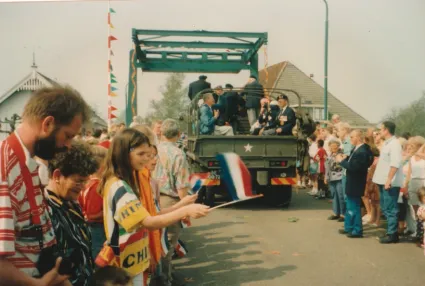
-
-
Sailingcenter Langweer
Sailingcenter Langweer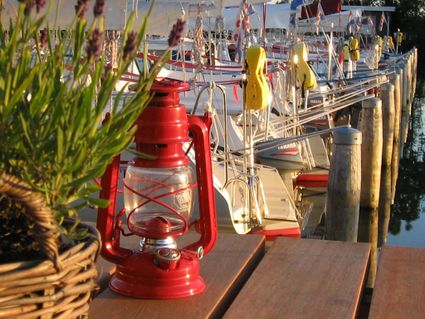
-
Vaste Burchtkerk Fortress Church
Vaste Burchtkerk Fortress Church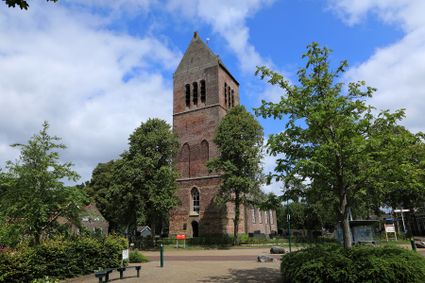
-
Hus.frl
Hus.frl