Locations
1657 to 1680 of 5531 results
-
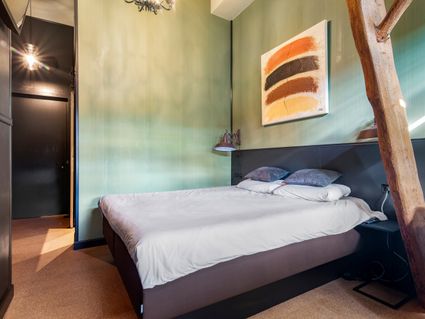
B&B Mooiverblijf
B&B Mooiverblijf
Oosterwolde
from your location
-
Achlumer molen
Achlumer molen
Achlum
from your location
-
Minnertsga (Minnertsgea)
Minnertsga
from your location
-
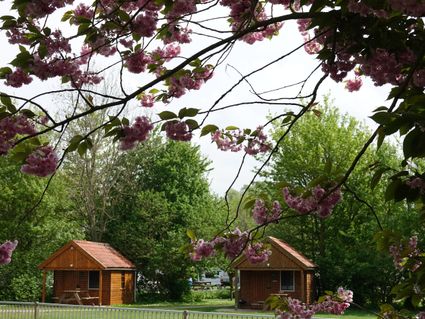
Groepsaccommodatie Appelscha
Appelscha
Direct boekbaar
from your location
-
Goutum
Goutum
goutum
from your location
-
Fierljeppolder en -museum
Noardburgum
from your location
-
Veerpont De Snoekcbaers (Sitebuorren)
Grouw De Burd
from your location
-
Vakantiewoning De Heide
Wijnjewoude
from your location
-
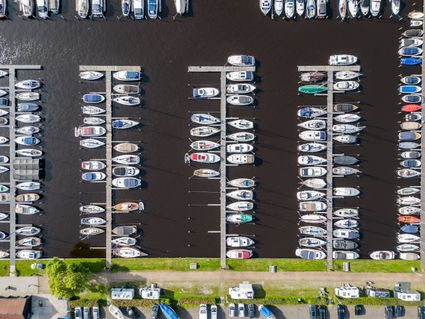
Passantenhaven Oudega SWF
Oudega SWF
from your location
-
Ravenswoud
Ravenswoud
Ravenswoud
from your location
-
Badhuus / Uitkijktoren
Harlingen
from your location
-
Bezoekerscentrum Aerden Plaats
Oudebildtzijl
from your location
-
Ottenhome Heeg - Groepsaccommodatie
Heeg
from your location
-
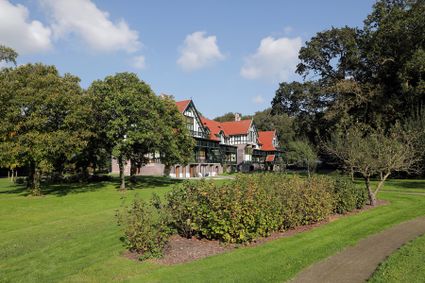
Voormalig zuivelfabriek Trynwâlden
Gytsjerk
from your location
-
Echopper-Tour Appelscha
Appelscha
from your location
-
Watervillapark Idskenhuizen - De Drie Gebroeders
Idskenhuizen
Direct boekbaar
from your location
-
Under de Wol - Boerderij appartement Trije
Oudega (gemeente Súdwest-Fryslân)
Direct boekbaar
from your location
-
Bioboer Pieter
Bioboer Pieter
Tzum
from your location
-
Hervormde Kerk Morra
Morra
from your location
-
TIP punt Fietspont Keimpetille
Zweins
from your location
-
Wapendroppings in Friesland - Witmarsum
'De worm heeft rode haren', 'Doe de groeten aan Jozef'. Met dit soort slagzinnen werden wapendroppings aangekondigd. In Friesland vonden er 24 plaats in de laatste maanden van de oorlog. Per dropping werden tot wel 24 containers gedropt, vol met wapens. Geweren, pistolen, bazooka's en allerlei explosieven. Bedoeld om de geallieerden te helpen bij hun opmars door Friesland. Friesland zou zichzelf helpen bevrijden, zo was het idee.
Bij de bevrijding van Friesland spelen de Nederlandse Binnenlandse Strijdkrachten (NBS) een grote rol. De NBS in Friesland bestaat (vanaf december 1944) uit de verzetsgroepen van de KP (Knokploegen), LO (Landelijke organisatie voor hulp aan onderduikers) en OD (Orde Dienst).
Zo’n ondergronds leger heeft natuurlijk wapens nodig. Voor de aanstaande sabotageacties, de bezetting van bruggen, sluizen en het gevangennemen van de vijand, krijgen 2500 tot 3000 NBS-ers een wapen. Van pistolen en mitrailleurs tot stenguns.
De wapens komen letterlijk uit de lucht vallen. Vanaf oktober 1944 vliegen Stirling en Halifax bommenwerpers vanuit Engeland 47 keer richting Friesland. Op zo'n 14 plaatsen in de provincie worden tenminste 24 geslaagde wapendroppings uitgevoerd. De bommenwerpers gooien containers met wapens, munitie en springstoffen aan parachutes boven de Friese weilanden naar beneden. Groepen NBS-ers staan 's nachts klaar om met lichtsignalen het afwerpterrein aan te geven en daarna de wapens af te voeren en te verstoppen.
Zoals even ten oosten van hier, op het afwerpterrein Hichtum. Bij de tweede dropping viel een container op een veulen dat gedood werd. De onwetende boer gaf het dode veulen aan bij de politie, zodat het terrein als wapendroppingsterrein moest vervallen.
Via geheime zenders worden met Londen de slagzinnen uitgewisseld die aangeven waar en wanneer een dropping plaatsvindt. Voor het contact tussen Engeland en het verzet over de droppings stuurt Prins Bernhard als opperbevelhebber van de NBS, twee geheime agenten van het Bureau Bijzondere Opdrachten (BBO) naar Friesland. Lykele Faber en Peter Tazelaar houden zich (vanaf november 1944), samen met marconist Alfred Springgate en hun radiozender lang schuil in een jacht op het meertje Nannewiid bij Oudehaske in het zuiden van Friesland.
De commando's N. De Koning en R. Groenewoud reizen ondertussen met valse papieren door de provincie om wapeninstructies te geven. Ze zijn eerder vanuit Engeland boven Drenthe gedropt en door de KP naar Friesland gehaald.
De wapendroppings en het verbergen van de wapens leiden regelmatig tot levensgevaarlijke situaties. De bezetters maken fel jacht op verborgen wapens. Op wapenbezit staat de doodstraf. Een dropping te Aalsum bij Dokkum leidt indirect tot de grootste massa-executie in Friesland van twintig mannen in Dokkum.
Op zondag 8 april geeft ‘Radio Oranje’ via de BBC de langverwachte slagzin door: 'de fles is leeg'. Voor de NBS is dit het sein om 36 uur later met sabotageacties te beginnen. De Canadese troepen zijn bijna bij de grens van Friesland. De wapens worden uit de opslagplaatsen gehaald. De NBS groepen komen bij elkaar op geheime locaties en de wapens en munitie worden uitgedeeld.
De verzetsgroepen hebben Friesland al voor een groot deel in handen voor de komst van de Canadezen. Alleen bij Harlingen-Makkum hebben de Duitsers voor de verdediging van de Afsluitdijk artillerie neergezet en moeten de Canadezen zware gevechten leveren. Het vasteland van Friesland is op 18 april helemaal bevrijd.
Harkezijl
from your location
-
-
The liberation of Leeuwarden
On 11 April 1945, it became clear that German resistance in the north of the Netherlands was limited. On 12 April, the Allies seized this opportunity to advance on Friesland as quickly as possible. One of the main goals was to liberate Leeuwarden. The 9th Canadian Infantry Brigade was designated for this purpose. But things would turn out differently.
On 12 April, the Royal Canadian Dragoons entered Friesland at Noordwolde. They were to conduct reconnaissance with their armoured vehicles and reach the Wadden Sea as quickly as possible. As a result, the German troops in Friesland and Groningen would be separated.
On the night of 14 to 15 April, three Squadrons of the Dragoons were at Suameer. Burgum could not be reached earlier that day, because the bridge at Burgummerdam had been blown up by the Germans.
Meanwhile, all sorts of things were happening in nearby Leeuwarden. On 12 April, the airfield had been blown up by the Germans. And they left the city on 14 April. Leeuwarden would not be defended. The Burgerweeshuis (Civil Orphanage) that had housed several German agencies was set on fire. An attempt to blow up the telephone exchange failed due to an ingenious intervention by the resistance. In the early morning of 15 April, the resistance also took to the streets en masse to occupy important points and to capture Germans who had remained behind.
The Dragoons in Suameer were in contact with the resistance in Leeuwarden. Due to various reports, it was unclear whether there was now heavy fighting in Leeuwarden or whether the Germans had left the city completely. Because the Germans had blown up important bridges on the route from Heerenveen to Leeuwarden, the infantry could not quickly provide assistance.
So, the Dragoons went to take a look for themselves. Initially, a patrol of four vehicles was sent via the Groningerstraatweg into the city around half past eleven. One of the Canadians in those vehicles recorded the following:
"As we entered the city, passing through the concrete barrier by the narrow passageway left for normal traffic, we were met by an almost hysterical patrol of Resistance men [...] In a few moments the news of our arrival had spread through the city, and we were given a fantastic welcome as we rolled slowly forward into the centre of town."A resident of Leeuwarden recalled:
"We lived close to the Groningerstraatweg, where our liberators passed. Many hundreds of us stood there, all happy spectators. All of a sudden, two ladies from the row flung themselves forward and threw their arms around the Canadians' necks, saying: "Oh darlings, you’re here at last!"After the patrol determined that the coast was clear, the entire C Squadron, a detachment of the Royal Canadian Engineers and Regimental Headquarters of Lieutenant-Colonel Landell followed. Leeuwarden had been liberated. After this, thousands took to the streets. One of the Canadians wrote:
"We halted, and were immediately surrounded by laughing, yelling mobs of people, bringing flowers to give to us, and cheering every move. The Resistance men were everywhere, doing their best to keep the people within bounds and off the cars, but their efforts were hardly necessary. I never saw a more satisfying gathering in my life."Leeuwarden had been liberated by the Dragoons through unexpected circumstances. On the night of 15 to 16 April, Canadian infantry moved into the city.
Leeuwarden
from your location
-
-
Veerpont Woudfennen (Woudfennen)
Boornzwaag
from your location
-
Het Kleine Veen
Het Kleine Veen
Fochteloo
from your location