Locations
433 to 456 of 2918 results
-
Blokslootpolder Nature Reserve
Blokslootpolder Nature Reserve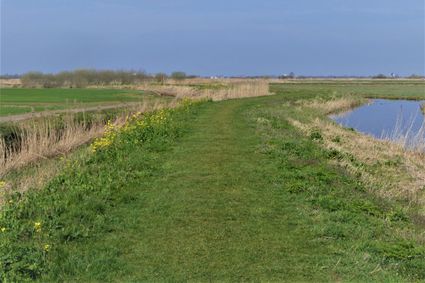
-
Happynes.nl
Happynes.nl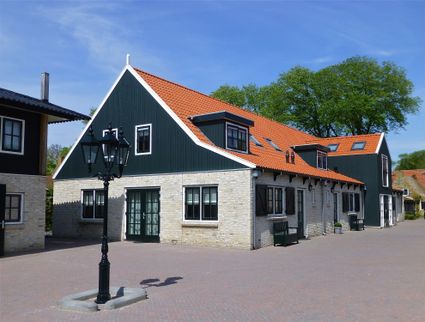
-
Tusken de Marren - Vakantiehuis Sneekermeer 4p
Tusken de Marren - Vakantiehuis Sneekermeer 4p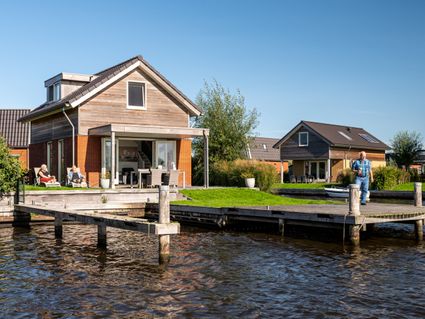
Book now
-
SVR Camping Jonkman
SVR Camping Jonkman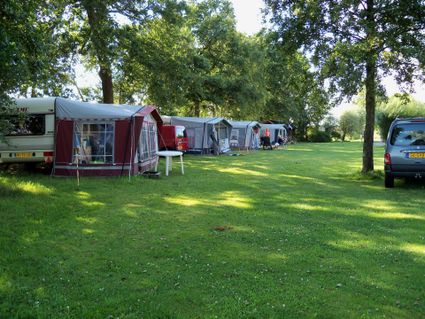
-
B&B The Wee White Hoose
B&B The Wee White Hoose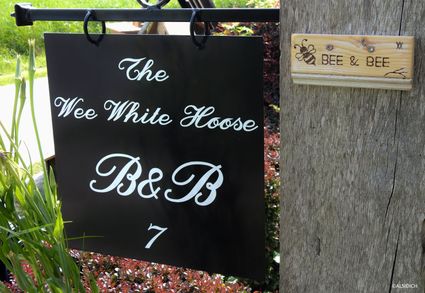
-
Camping Ykema - Groepsaccommodatie Camping Ykema
Camping Ykema - Groepsaccommodatie Camping Ykema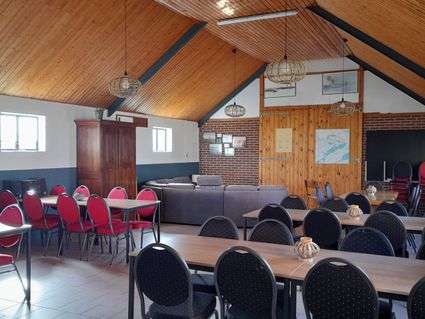
-
Oudebildtdijk Dike
Oudebildtdijk Dike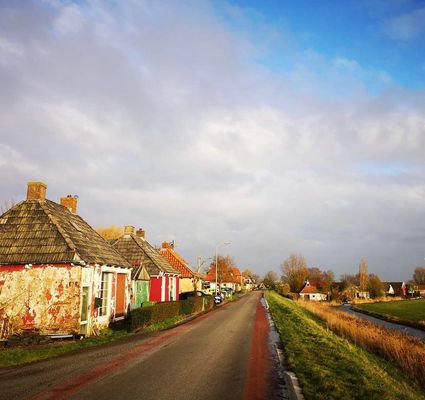
-
Friesland Boating Yachtcharter - EV 1000 IJlst
Friesland Boating Yachtcharter - EV 1000 IJlst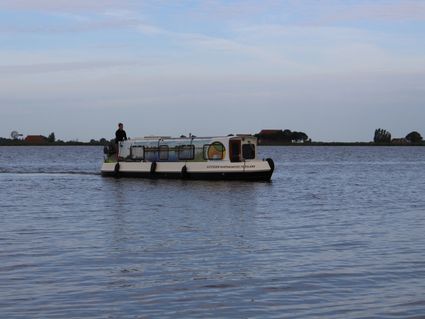
Book now
-
Het Molenhuis - Het Molenhuis
Het Molenhuis - Het Molenhuis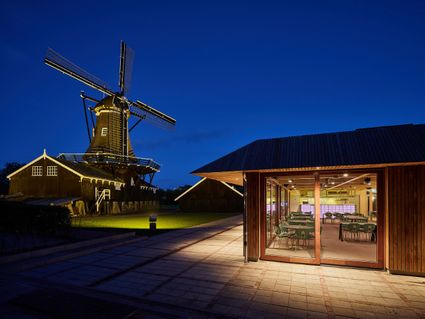
Book now
-
Moai fuort
Moai fuort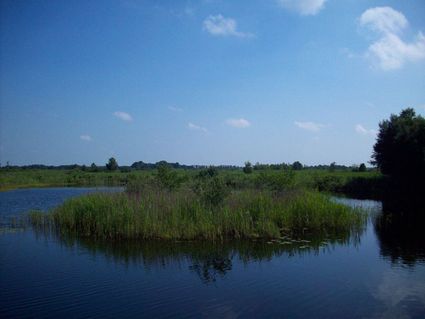
-
Weeruusz
Weeruusz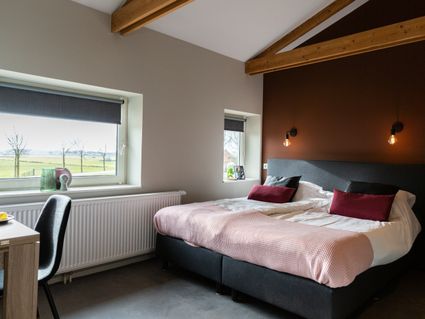
-
Marina Resort Hart van Friesland
Marina Resort Hart van Friesland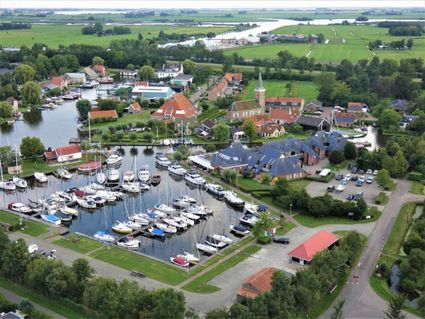
-
Puur Terschelling
Puur Terschelling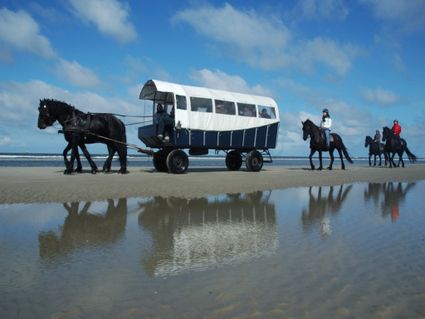
Sustainability info
-
B&B Rijsterbosch - Kamer Beuk
B&B Rijsterbosch - Kamer Beuk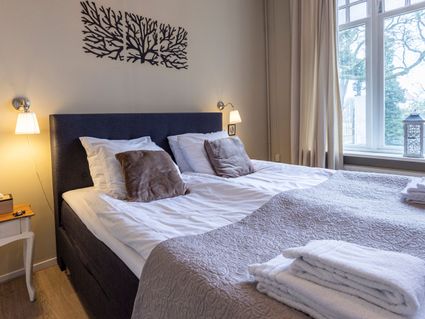
Book now
-
Tiny Farm House Friesland
Tiny Farm House Friesland
-
Boutique Yurt Puck
Boutique Yurt Puck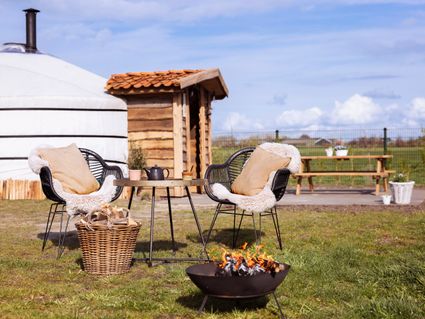
Book now
-
Groen natuurhuis nabij het Tjeukemeer
Groen natuurhuis nabij het Tjeukemeer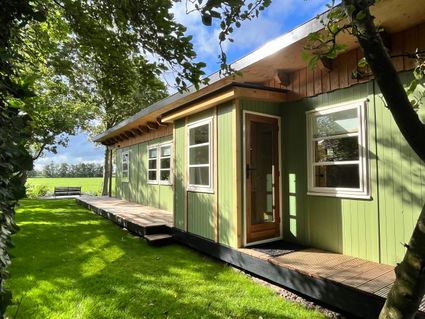
-
Bar Zelle
Bar Zelle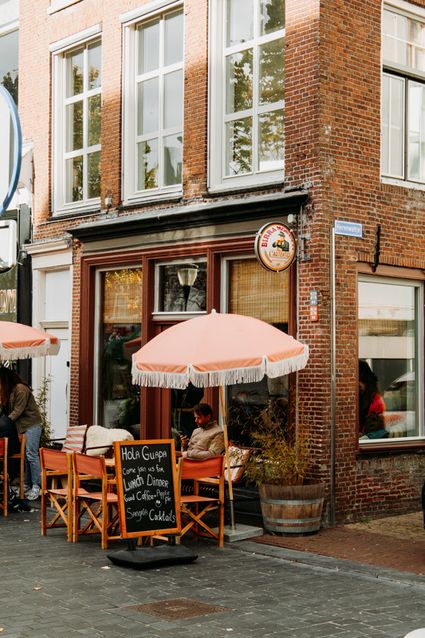
-
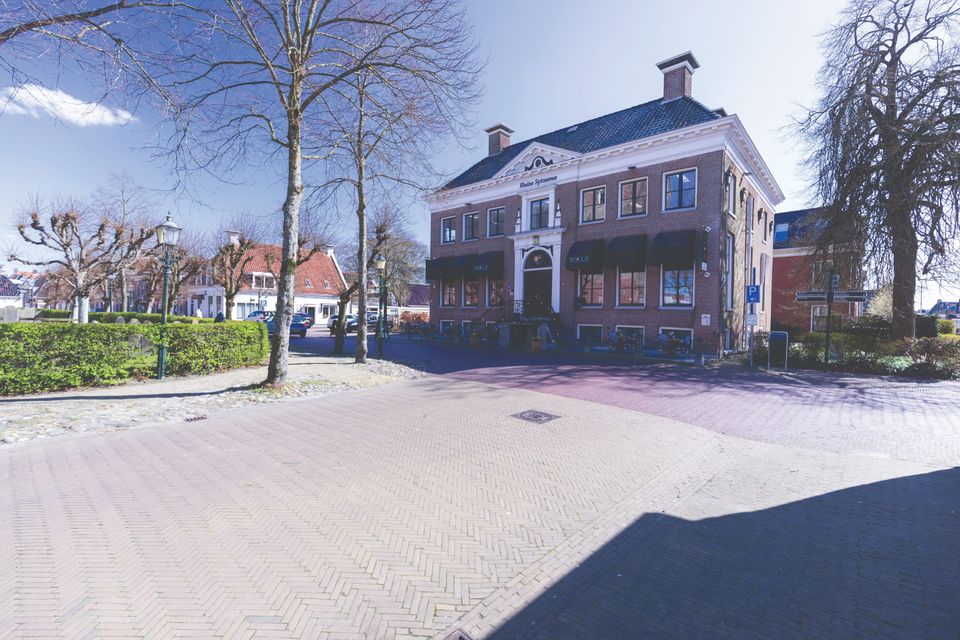
Sytzama House
Sytzama House
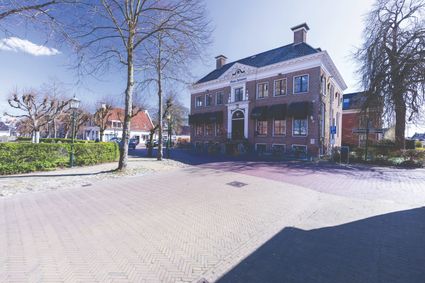
What is now a grand café has a history closely connected with local government, the Second World War, and Baron Willem van Sytzama, the building's first owner, after whom it is named.
In Van Sytzama's time, there were very few buildings nearby. Instead, a large landscaped garden with extensive ponds stretched out behind the house. Baron Willem van Sytzama believed he was happily married to Cecilia van Heemskerk, but she left him for another man. Although the baron took legal action in an attempt to prevent the separation, he was unsuccessful. She never returned, and he never remarried. In later years, however, the building served as Kollum's town hall, where hundreds of marriages were celebrated.
During the Second World War, Mayor Gerben Feitsma was sworn into office in this building. The ceremony took place with prominent displays of flags and the Nazi salute. For that reason, Feitsma is often described as an NSB (Dutch National Socialist Movement) mayor. At the same time, there is evidence that he occasionally helped prevent residents of Kollum from being sent to Germany for forced labour by employing them on his farm. Because of his wartime record, his name is not always included in historical accounts.
His brother, Jan Feitsma, became notorious for a different reason. As Prosecutor General, he ordered signs reading "Jews Forbidden" to be displayed throughout the occupied Netherlands. The policy caused considerable controversy in Kollum during the war. The local tennis club preferred to close its courts rather than display such a sign. In early 1945, Jan Feitsma was shot dead by members of the Dutch Resistance. His funeral in Kollum was attended by numerous members of the SS.
-
-
Ezumazijl (Iezumasyl)
Ezumazijl (Iezumasyl)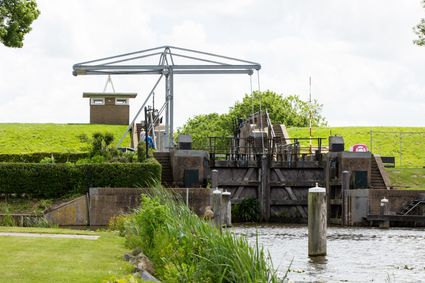
-
Poem 'Graf te Blauwhuis'
Poem 'Graf te Blauwhuis'
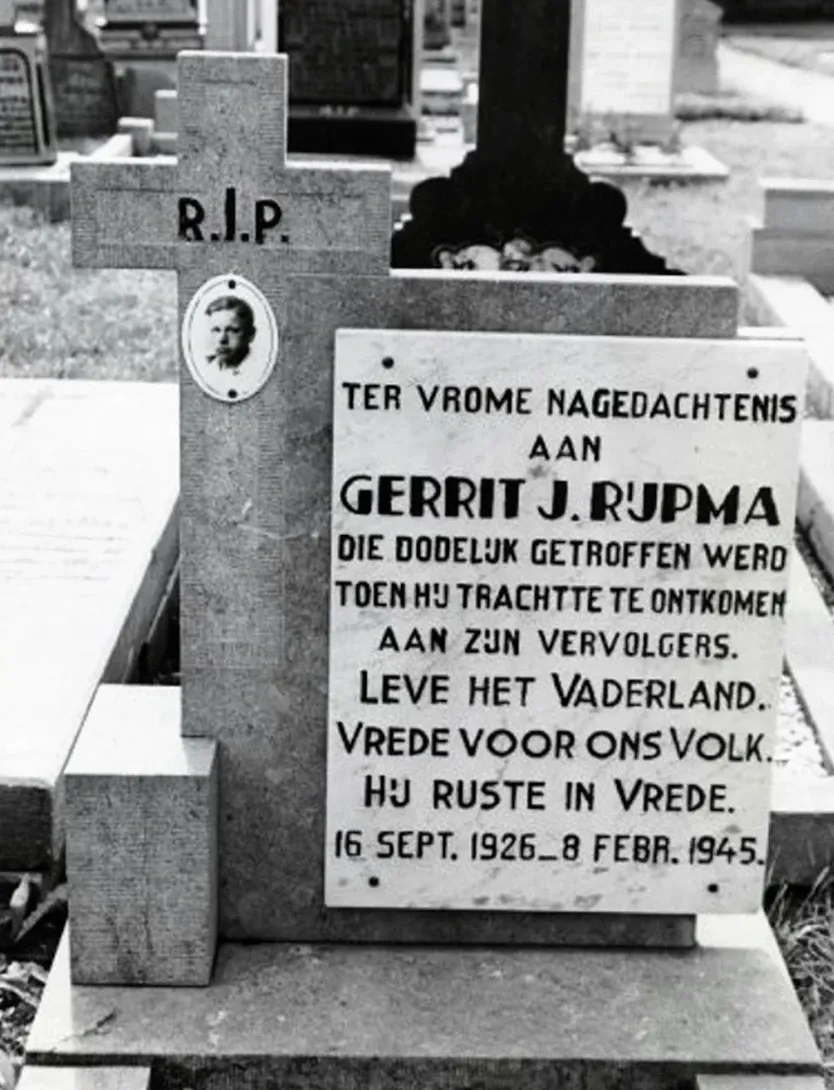
The small village of Abbega and the neighbouring hamlet of Abbegaasterketting hid dozens of people in hiding during the war. In February 1945, a raid shocked the small community. Resistance fighter Gerrit Rijpma, 18, was fatally hit in the process. The famous Dutch writer Gerard Reve, who lived next door to a sister of Gerrit Rijpma in nearby Greonterp from 1953 to 1971, was deeply moved by the story of his neighbour's youngest brother. As a tribute to Gerrit, he wrote the poem 'Graf te Blauwhuis'.
According to witnesses, as many people in hiding lived in Abbega and the neighbouring hamlet of Abbegaasterketting as civilians.
Among them were Jewish people in hiding, people who had participated in railway strikes, deserters and young men from the surrounding area who wanted to avoid forced labour. Weapons for the resistance were also hidden there.
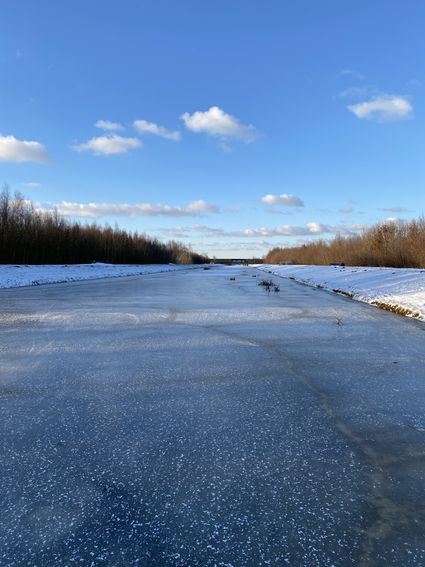
Abbegaasterketting was located next to the Bolswardervaart canal, and the absence of paved roads made access difficult. In addition, the inhabitants had implemented an ingenious alarm system: by means of an electric bell, people warned each other when something was wrong, and two people in hiding were on guard every night.
On 8 February 1945, at around half past eleven in the morning, the alarm bell sounded in the Rijpma family home. At that time, the brothers Yp and Gerrit were working in the barn.
When they went outside, they saw a lot of people running away in panic. This is why the brothers decided to sail down the Bolswardervaart, which divides the hamlet in two pieces, in a rowing boat. They hoped that they could get themselves to safety a little bit further on in a bend of the canal, behind the net. On their way there, they picked up their neighbour Minze van der Veen and a person in hiding, who were standing on the other side of the canal. Meanwhile, the German soldiers, aided by members of the Landwacht, a Dutch semi-military organisation, had set off in pursuit and opened fire on the fleeing people. Minze van der Veen was hit in his right elbow. Gerrit was hit three times: one bullet went straight through his body, another lodged in his back, and the third bullet went through his cheeks and teeth. Because the occupiers refused to help, Yp had to carry his dying brother to the boat and take him to a farmhouse nearby all by himself. The help from a woman living in the neighbourhood, who was a nurse, came too late. In great haste, curate Stolwijk of Blauwhuis was sent for, who administered the last rites to Gerrit. He died shortly afterwards. He was buried in the Catholic Cemetery in Blauwhuis.
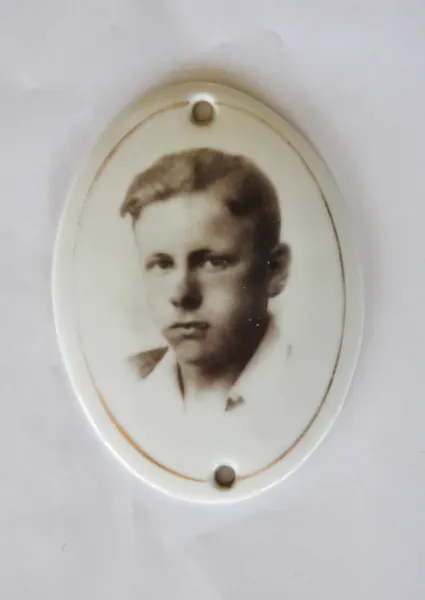
The famous Dutch writer Gerard Reve, who lived in nearby Greonterp next to a sister of Gerrit Rijpma from 1953 to 1971, was deeply touched by the story of his neighbour's youngest brother. As a homage to Gerrit, he wrote the poem 'Grave in Blauwhuis':
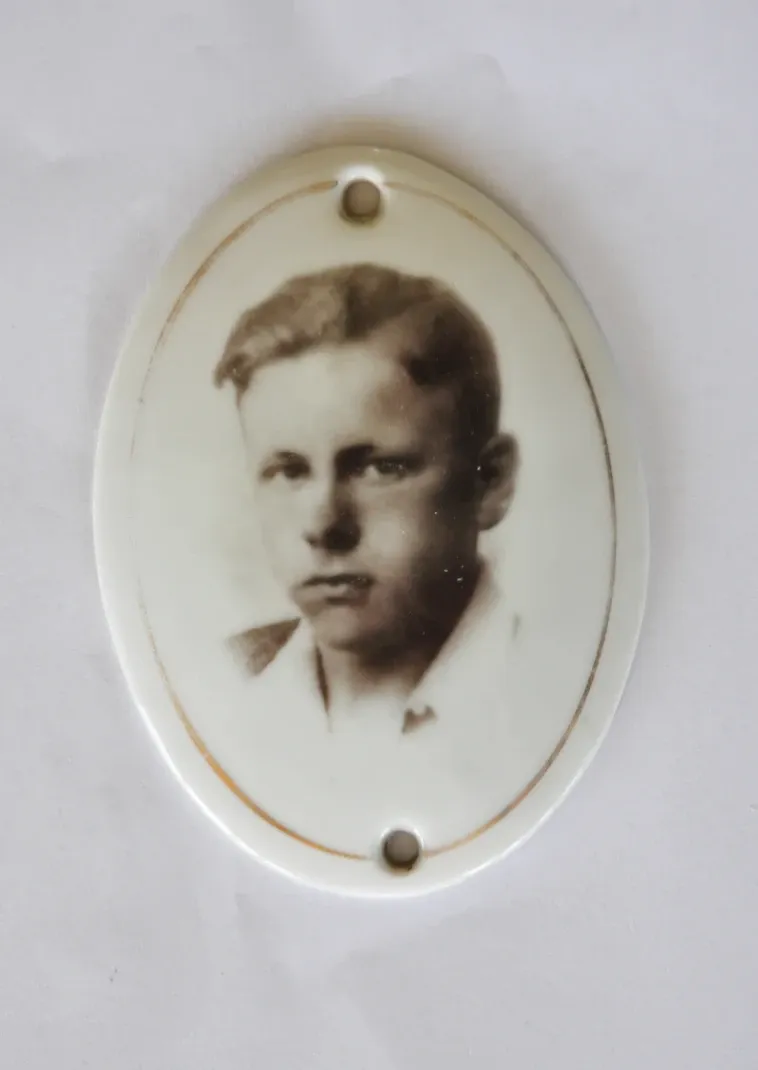
GRAVE IN BLAUWHUIS (for neighbour H., in G.) He ran away, but did not escape, and was hit, and died, eighteen years old. A militant inscription cries out loud, but a sad and silent face looks out from the brown enamelled portrait. Still a child. Goodbye dear boy. You, who are King, of this and that, of whatever, yes, You, answer me, You know why, I don't. That Kingdom of Yours, remember, will it ever be?
In 1983, the mortal remains of Gerrit were transferred from the cemetery of Blauwhuis to Loenen National War Cemetery.
-
-
Loods Lounge Restaurant
Loods Lounge Restaurant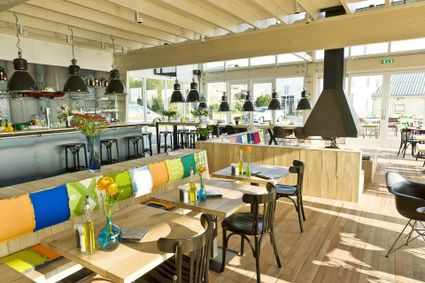
-
Welgelegen - Retro caravan
Welgelegen - Retro caravan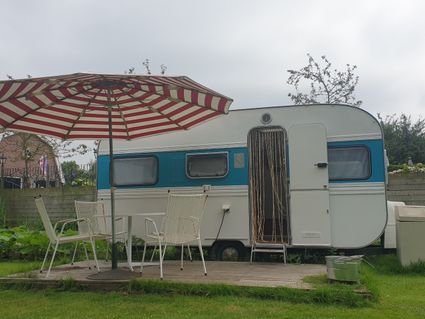
Book now
-
Grand Canal
Grand Canal