Locations
1201 to 1224 of 2805 results
-
De Appelhof - Tiny House aan het water- Type B
De Appelhof - Tiny House aan het water- Type B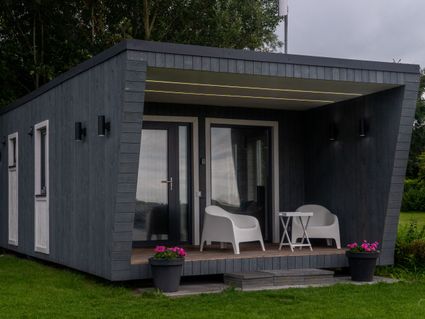
Book now
-
Vakantiepark De Kuilart - Camping - Kampeerplaats Standaard
Vakantiepark De Kuilart - Camping - Kampeerplaats Standaard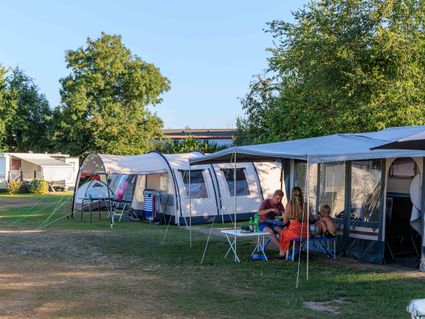
-
B&B Franeker Boppe
B&B Franeker Boppe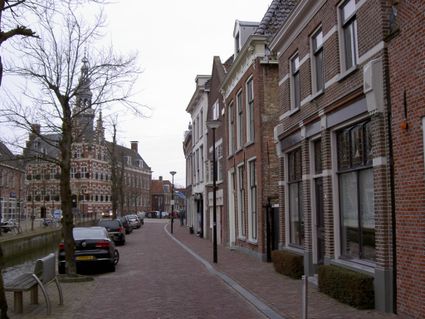
-
Cemetery Brongerga & Belfry
Cemetery Brongerga & Belfry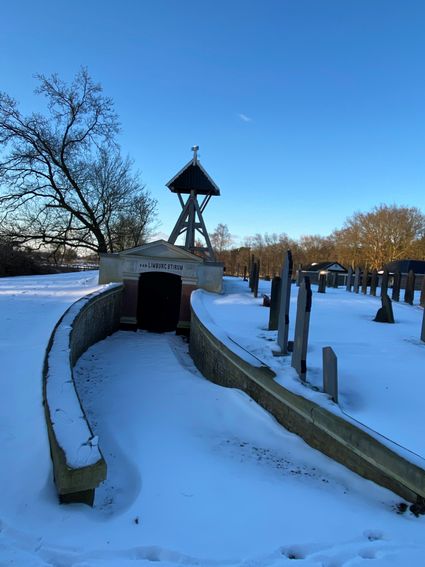
-
Huisboot Vakanties - VaarLoft 'Pur Sang'
Huisboot Vakanties - VaarLoft 'Pur Sang'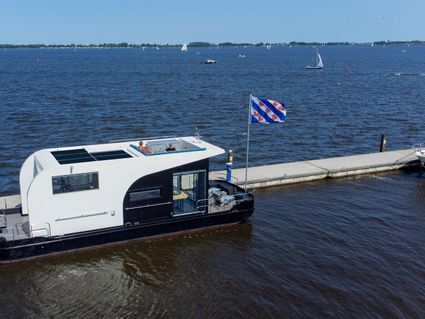
Book now
-
Van der Valk Hotel Sneek
Van der Valk Hotel Sneek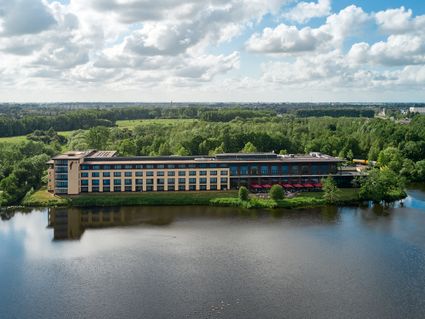
Sustainability info
-
Neushoorn
Neushoorn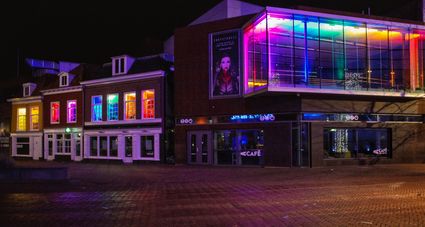
-
B&B De Koesfabriek
B&B De Koesfabriek
-
Rondvaartbedrijf Allure
Rondvaartbedrijf Allure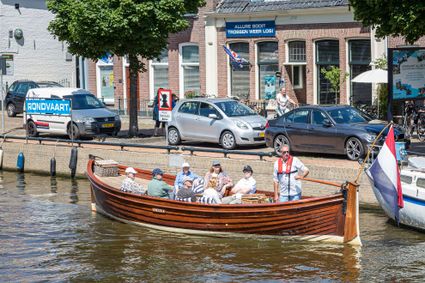
Book now
-
Strand aan het Tjeukemeer
Strand aan het Tjeukemeer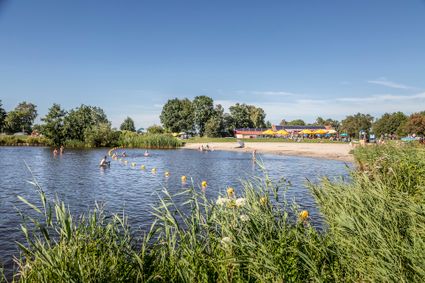
-
Flying Fish Heeg
Flying Fish Heeg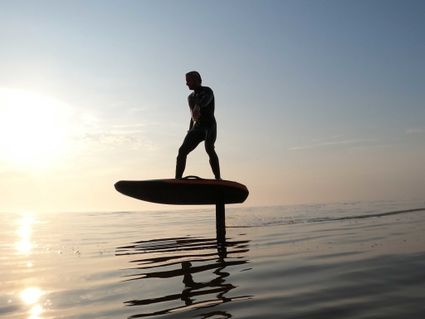
-
Hotel Restaurant Jans
Hotel Restaurant Jans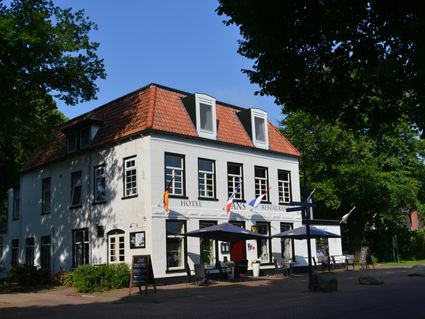
-
Nij Wybranda
Nij Wybranda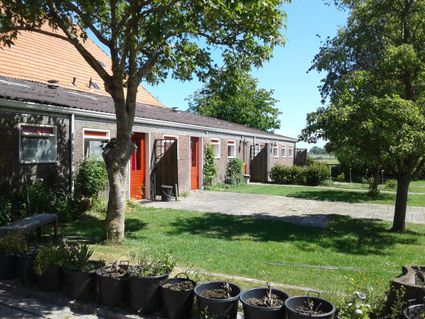
-
Luxe Vakantie Friesland - Blaugers
Luxe Vakantie Friesland - Blaugers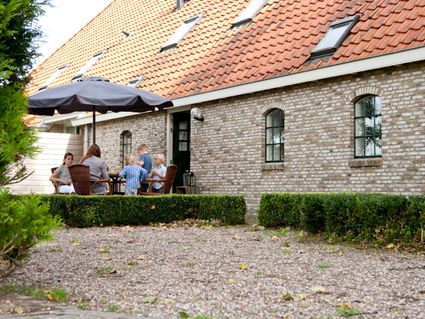
Book now
-
The Philippusfenne – Kollum's Notary Garden
The Philippusfenne – Kollum's Notary Garden
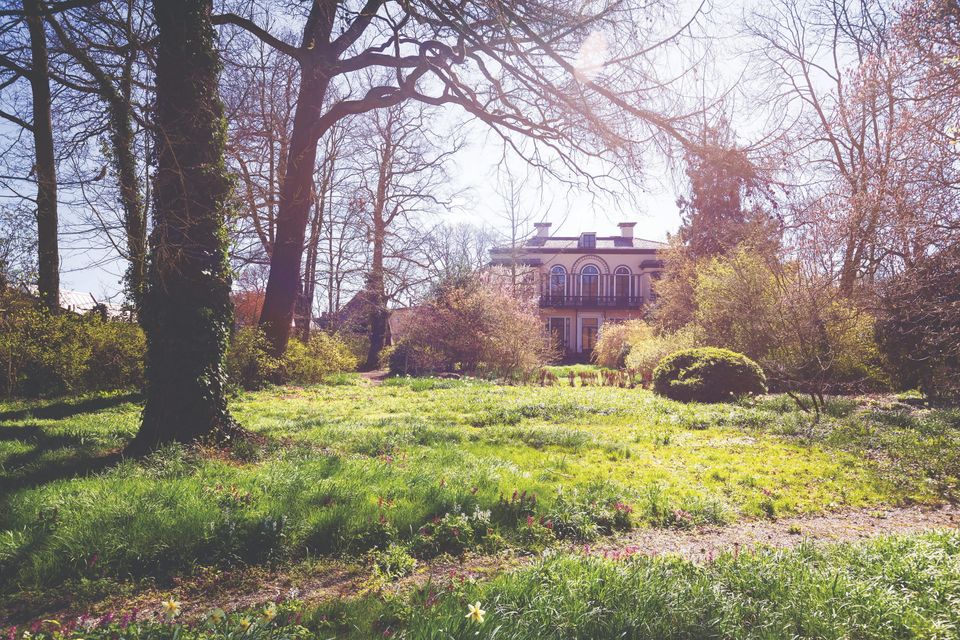
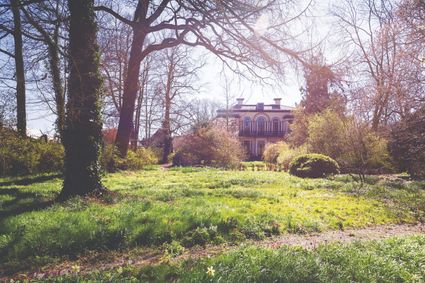
The Philippusfenne, better known as Kollum's Notary Garden, is a beautiful historic garden created in the 19th century as an oasis of peace and greenery.
The Philippusfenne is a garden with a story. In 1847, the notary Daniel Hermannus Andreae commissioned the construction of a country house here, surrounded by an elegant garden designed in the English landscape style. The garden was created by the renowned landscape architect Lucas Pieters Roodbaard, who also designed the park surrounding Fogelsangh State in Veenklooster. Its winding paths, ornamental ponds and impressive mature trees create a unique combination of nature and history in the heart of Kollum.
One of the garden's most distinctive features is its abundance of stinzen plants—traditional spring-flowering bulbs associated with historic estates in the northern Netherlands. In early spring, snowdrops, crocuses and other rare flowers bloom in profusion, creating a fairy-tale landscape even during the colder months.
-
-
Visitor Centre and Tourist Information Langweer
Visitor Centre and Tourist Information Langweer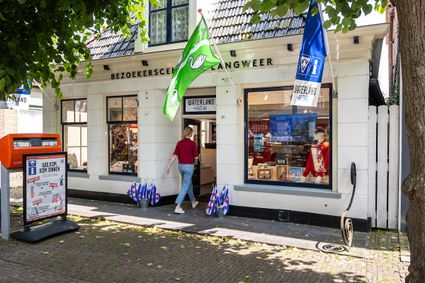
-
Former home-work house ir. Abe Bonnema
Former home-work house ir. Abe Bonnema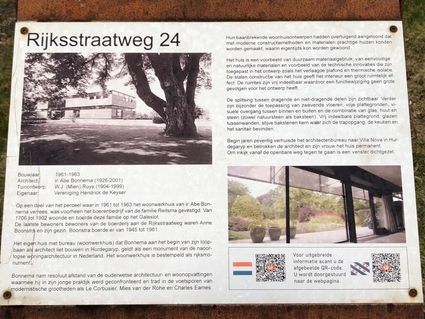
-
Baukje Schrijft
Baukje Schrijft
-
Luxe Vakantie Friesland - Simmertwirre
Luxe Vakantie Friesland - Simmertwirre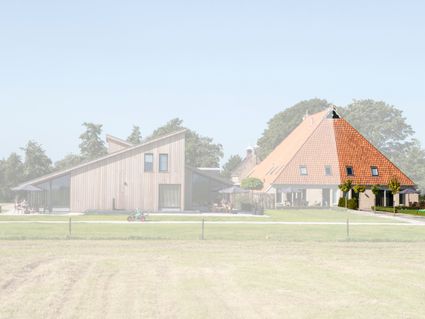
Book now
-
Wind Engine at De Veenhoop
Wind Engine at De Veenhoop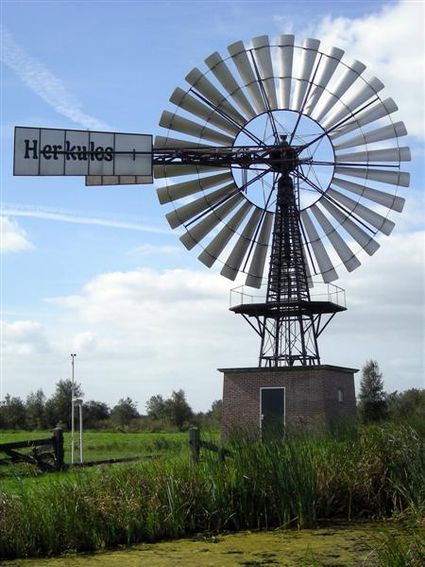
-
The liberation of Leeuwarden
The liberation of Leeuwarden
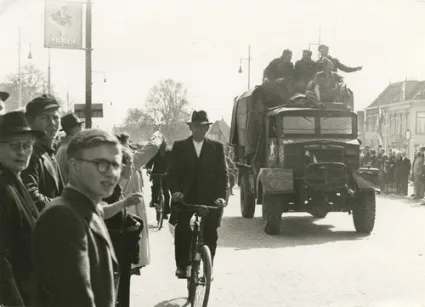
On 11 April 1945, it became clear that German resistance in the north of the Netherlands was limited. On 12 April, the Allies seized this opportunity to advance on Friesland as quickly as possible. One of the main goals was to liberate Leeuwarden. The 9th Canadian Infantry Brigade was designated for this purpose. But things would turn out differently.
On 12 April, the Royal Canadian Dragoons entered Friesland at Noordwolde. They were to conduct reconnaissance with their armoured vehicles and reach the Wadden Sea as quickly as possible. As a result, the German troops in Friesland and Groningen would be separated.
On the night of 14 to 15 April, three Squadrons of the Dragoons were at Suameer. Burgum could not be reached earlier that day, because the bridge at Burgummerdam had been blown up by the Germans.
Meanwhile, all sorts of things were happening in nearby Leeuwarden. On 12 April, the airfield had been blown up by the Germans. And they left the city on 14 April. Leeuwarden would not be defended. The Burgerweeshuis (Civil Orphanage) that had housed several German agencies was set on fire. An attempt to blow up the telephone exchange failed due to an ingenious intervention by the resistance. In the early morning of 15 April, the resistance also took to the streets en masse to occupy important points and to capture Germans who had remained behind.
The Dragoons in Suameer were in contact with the resistance in Leeuwarden. Due to various reports, it was unclear whether there was now heavy fighting in Leeuwarden or whether the Germans had left the city completely. Because the Germans had blown up important bridges on the route from Heerenveen to Leeuwarden, the infantry could not quickly provide assistance.
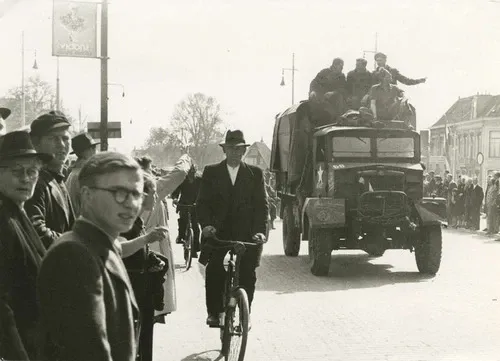
So, the Dragoons went to take a look for themselves. Initially, a patrol of four vehicles was sent via the Groningerstraatweg into the city around half past eleven. One of the Canadians in those vehicles recorded the following:
"As we entered the city, passing through the concrete barrier by the narrow passageway left for normal traffic, we were met by an almost hysterical patrol of Resistance men [...] In a few moments the news of our arrival had spread through the city, and we were given a fantastic welcome as we rolled slowly forward into the centre of town."A resident of Leeuwarden recalled:
"We lived close to the Groningerstraatweg, where our liberators passed. Many hundreds of us stood there, all happy spectators. All of a sudden, two ladies from the row flung themselves forward and threw their arms around the Canadians' necks, saying: "Oh darlings, you’re here at last!"After the patrol determined that the coast was clear, the entire C Squadron, a detachment of the Royal Canadian Engineers and Regimental Headquarters of Lieutenant-Colonel Landell followed. Leeuwarden had been liberated. After this, thousands took to the streets. One of the Canadians wrote:
"We halted, and were immediately surrounded by laughing, yelling mobs of people, bringing flowers to give to us, and cheering every move. The Resistance men were everywhere, doing their best to keep the people within bounds and off the cars, but their efforts were hardly necessary. I never saw a more satisfying gathering in my life."Leeuwarden had been liberated by the Dragoons through unexpected circumstances. On the night of 15 to 16 April, Canadian infantry moved into the city.
-
-
Uitgerust voor Zaken
Uitgerust voor Zaken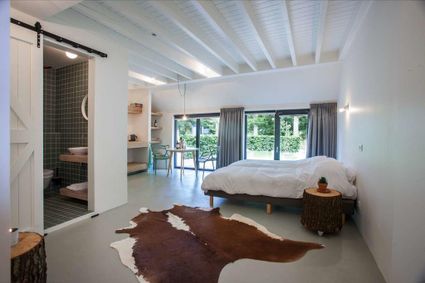
-
Wilhelminapark
Wilhelminapark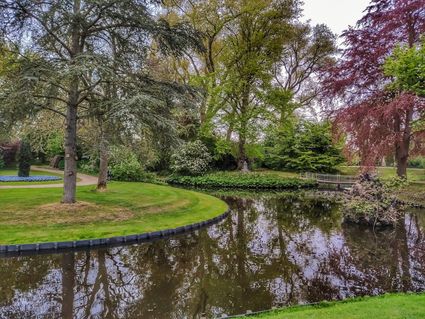
-
Oudemirdumer Klif (cliff at Oudemirdum)
Oudemirdumer Klif (cliff at Oudemirdum)