Locations
745 to 768 of 2324 results
-
Franeker (Frjentsjer)
Franeker (Frjentsjer)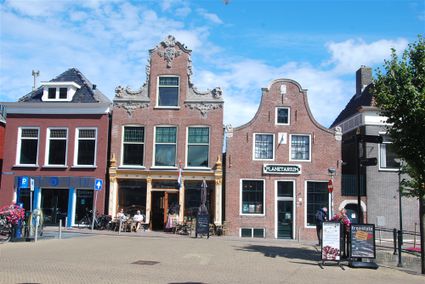
-
De Kan Hoeve - Vakantiehuisje 1
De Kan Hoeve - Vakantiehuisje 1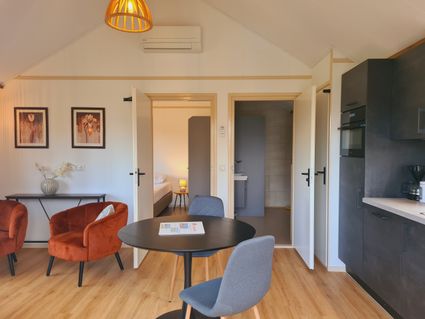
Book now
-
DaVinci Yachts BV
DaVinci Yachts BV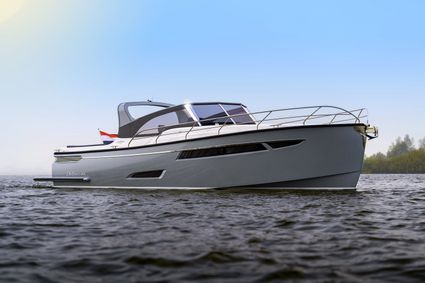
-
Zeilschip Middelsee
Zeilschip Middelsee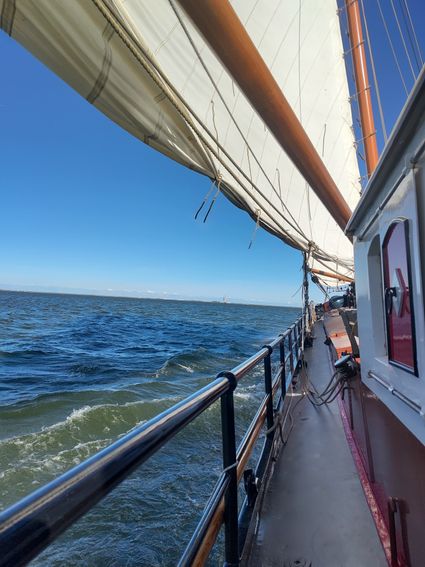
-
Holiday home Blomsteech
Holiday home Blomsteech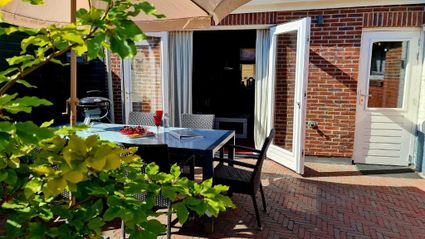
-
Monument IJsselmeerdijk
Monument IJsselmeerdijk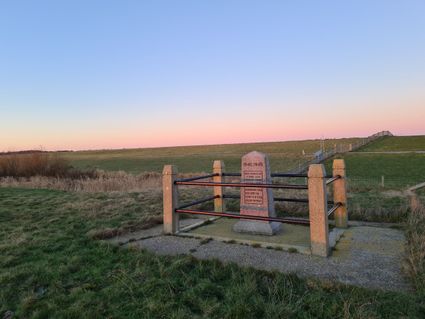
-
Lutz Watervilla's - Wettervilla Tolve
Lutz Watervilla's - Wettervilla Tolve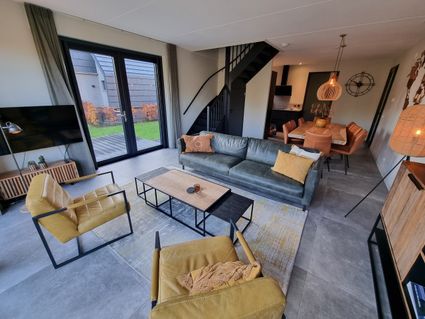
Book now
-
Strandje Pharshoeke (Heeg)
Strandje Pharshoeke (Heeg)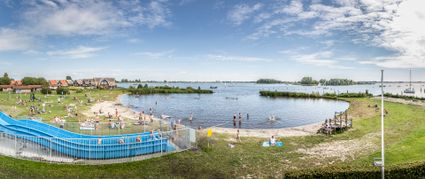
-
B&B Rijsterbosch - Kamer Esdoorn
B&B Rijsterbosch - Kamer Esdoorn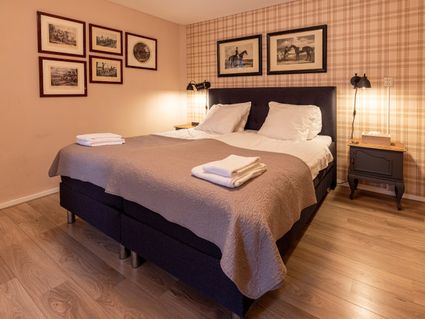
Book now
-
Watertorenhotel Nes - Kamer Turrem
Watertorenhotel Nes - Kamer Turrem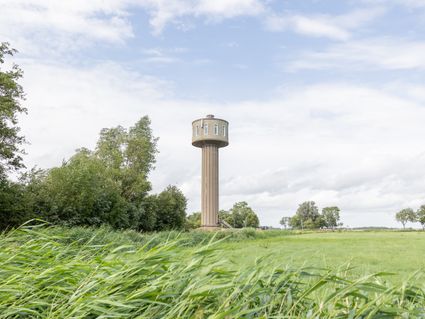
Book now
-
Waterherberg It Beaken - Tent 'it Peareltsje'
Waterherberg It Beaken - Tent 'it Peareltsje'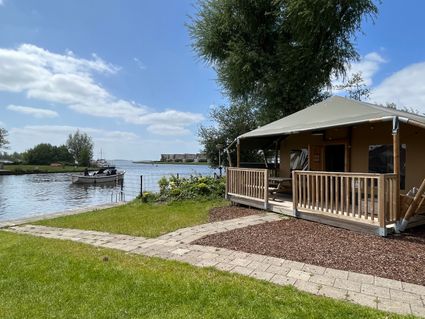
Book now
-
de Markestee - de Markestee
de Markestee - de Markestee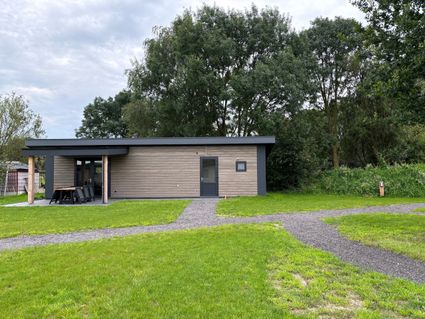
Book now
-
Nature Lodges at Landgoed Lindehof
Nature Lodges at Landgoed Lindehof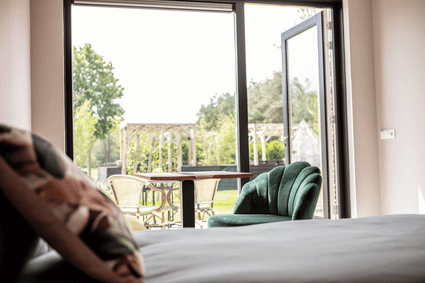
-
Watervillapark Idskenhuizen - Twadde Thûs
Watervillapark Idskenhuizen - Twadde Thûs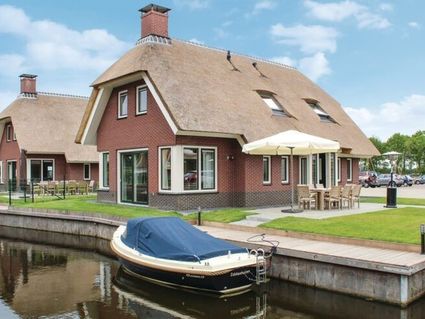
Book now
-
Noordwolde the first village to be liberated by land
Noordwolde the first village to be liberated by land
In the evening of 11 April 1945, units of the Canadian Reconnaissance Regiment Royal Canadian Dragoons arrived at Dwingeloo, just before the so-called Frieslandriegel. This line of defence had been constructed shortly before by the work of many Dutch forced labourers. However, the line was hardly occupied and eventually turned out to be incorrectly constructed.
The Dragoons' task was to scout the road well ahead of the rest of the Canadian units. And they noted that the Germans in this area were barely able to defend themselves effectively. Partly for this reason, it was decided on 11 April that units of the 3rd Canadian Infantry Division and supporting units would make a jump to Leeuwarden in the following days. If the Frisian capital and possibly the rest of Friesland could be taken, the Germans would be trapped in the western part of the Netherlands. After all, large parts of Overijssel and Gelderland had also been liberated at this point.
The infantry had to advance through Zwolle, Meppel, Steenwijk, Heerenveen to Leeuwarden. To get them to Leeuwarden as soon as possible, all kinds of extra vehicles had been arranged. Meanwhile, the Royal Canadian Dragoons, and not much later another reconnaissance regiment, the Duke of York´s Royal Canadian Hussars, would enter Friesland to scout the planned main route there. And to create as much chaos as possible among the German defenders.Thanks to the citizens of Dieverbrug in Drenthe, an emergency bridge was built over the Drentse Hoofdvaart canal so that the Canadian vehicles could advance to Friesland. Then, on the morning of 12 April, the Dragoons were the first Canadian land unit to enter the province of Friesland. The village of Noordwolde was the first to be liberated.
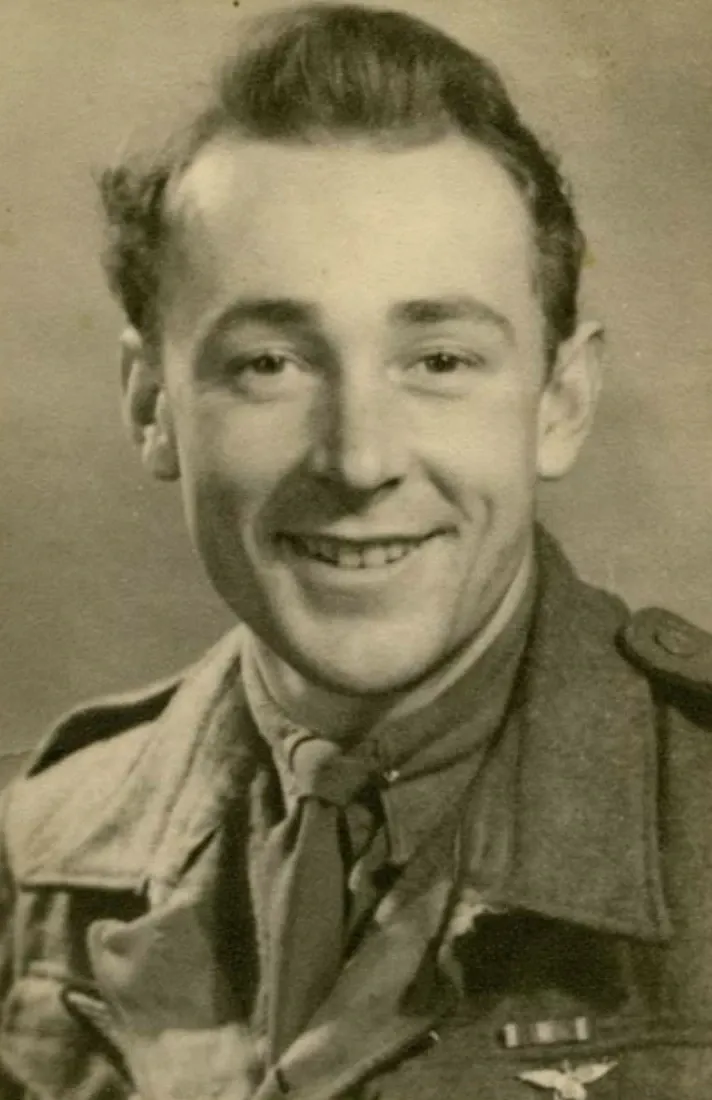
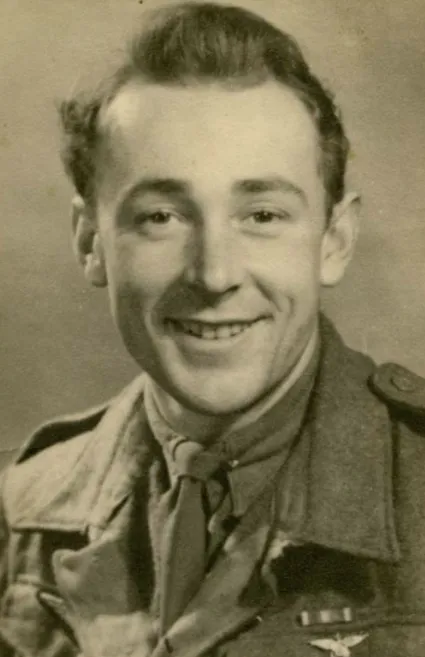
Although this first Frisian village could be taken without a fight, there was brief fighting immediately north of Noordwolde. About twenty Germans and Dutch accomplices tried to delay the Canadians. After a short fight, the Germans fled the scene, leaving all their equipment behind. Others, including ten Dutch accomplices of the Landwacht and Ordnungspolizei, were captured.But the very first liberators to set foot on Frisian soil were French SAS paratroopers from the 3e Régiment de Chasseurs Parachutistes. Just over 700 of them were dropped over Drenthe and south-east Friesland on the night of 7 to 8 April. Their mission was to support the Allied ground operation. They did so by creating chaos behind German lines, capturing bridges, and carrying out all kinds of operations together with the resistance. They had to keep this up until the Canadian ground units reached them. A small proportion ended up at Appelscha and Haulerwijk and carried out their assignments there. In the performance of these assignments, 21-year-old Chasseur de 2e Classe (Private 2nd Class) Henri Pintaud was killed on 8 April.
-
-
De Streken / Compass Points
De Streken / Compass Points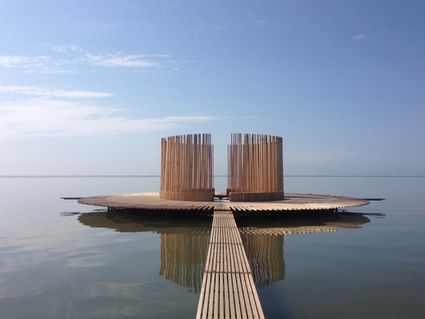
-
Water ski and wakeboarding track
Water ski and wakeboarding track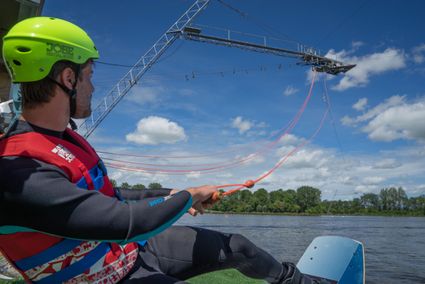
Book now
-
Restaurant Eindeloos
Restaurant Eindeloos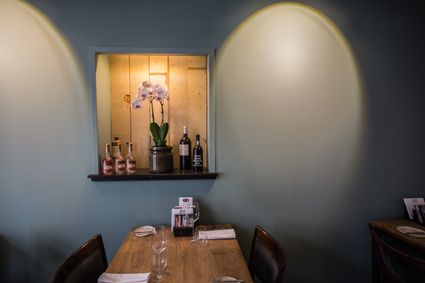
-
Marina Gytsjerk
Marina Gytsjerk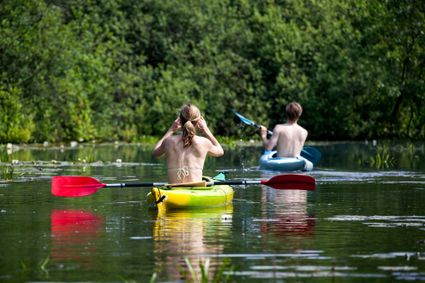
-
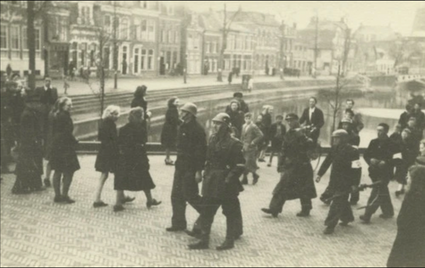
The liberation of Friesland 1
The liberation of Friesland 1
In early April, it became clear that the liberation of Friesland was imminent. Although the province had not suffered a real Hunger Winter like other parts of the Netherlands, there were severe shortages of just about everything. And the terror of the occupying forces was growing. This also led to increased resistance against the occupying forces. The battle between the two was tougher than ever in early 1945.
In Friesland, assault groups known as Knokploegen (KP) were responsible for most acts of resistance. But there were other groups too. On the orders of the Dutch government in London, all these groups were merged into the Dutch Domestic Armed Forces (NBS). In Friesland, this happened on 12 December 1944.
The NBS, popularly referred to as the BS, gave the armed resistance an organisation with a clear structure. The NBS was also supposed to play a role in the upcoming liberation. To this end, resistance groups were provided with weapons from autumn 1944. These were dropped from the air.
On 8 April, Radio Orange broadcast the message "The bottle is empty." This was the signal for the NBS to start carrying out sabotage operations 36 hours later. The aim was to make it as difficult as possible for the Germans to defend themselves against the approaching Allied forces.
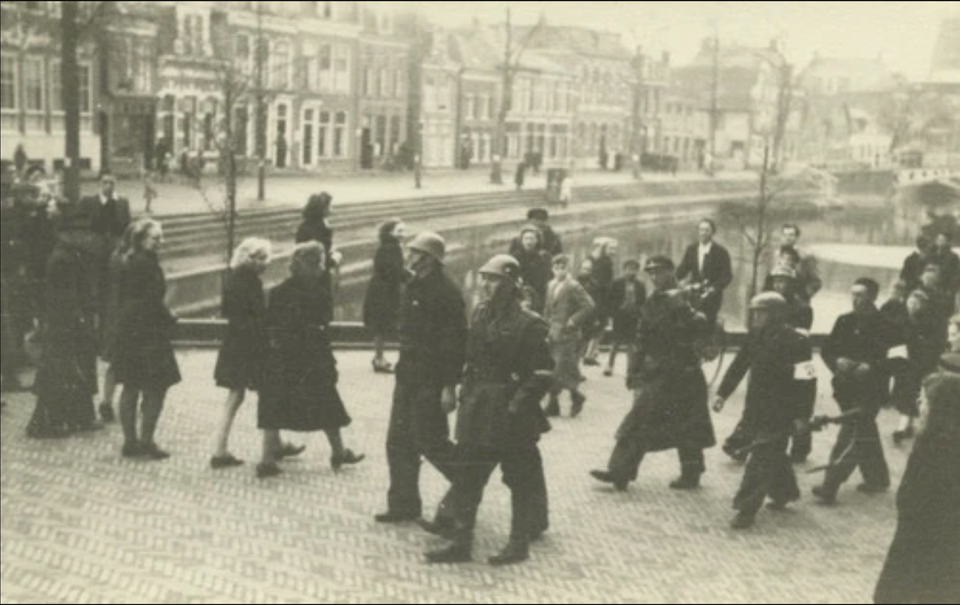
The resistance did this by putting bridges and railways out of order, blocking waterways and blocking roads. The response of the occupying forces was ruthless. In retaliation, dozens more prisoners were shot at different times and places.Once the Canadians entered Friesland on 12 April, they were supported extremely effectively by the Frisian resistance. Because it was superbly organised, they were able to help the Canadians take control of important bridges, repair damaged bridges, and advise on the most favourable route.
By 18 April, the whole province was liberated except for the Wadden Islands (these were liberated in late May and in June). Compared to other provinces, there was little fighting in Friesland. Overall, the few thousand German troops who had been unable to flee Friesland were defeated by the Canadians relatively quickly.
The commander of the Royal Canadian Dragoons, Lieutenant Colonel Landell, praised the actions of the resistance by stating "Friesland liberated herself." While that may be a bit of an exaggeration, the actions of the Frisian resistance undoubtedly accelerated the liberation. And reduced the number of casualties on the Allied side.
In confrontations with German troops and their Dutch accomplices, at least 31 resistance fighters lost their lives. On the Allied side, at least eleven Canadians and one Frenchman were killed. The fighting and shelling also resulted in dozens of civilian casualties. The number of casualties on the German side is not known, but probably ran into the hundreds. With 320 houses destroyed and 4,000 damaged and 80 bridges destroyed, Friesland was materially the least damaged province in the Netherlands.
-
-
Wadlopen Friese Wad - mudflat hiking
Wadlopen Friese Wad - mudflat hiking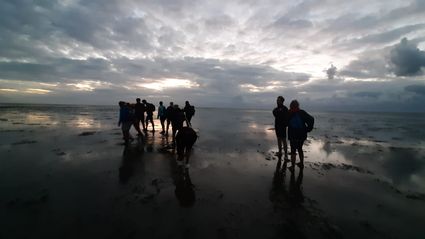
-
Slottuin Rijs
Slottuin Rijs
-
Harbour Crane in Harlingen
Harbour Crane in Harlingen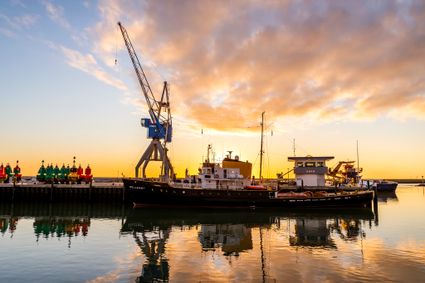
-
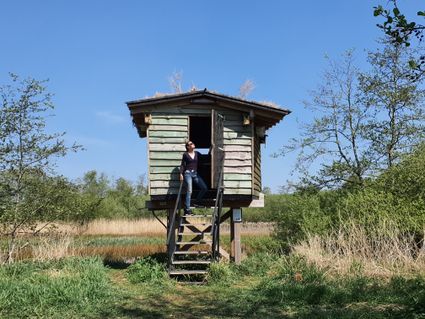
Bird-Watching Hut for Birds that Don’t Exist
Bird-Watching Hut for Birds that Don’t Exist