Locations
2737 to 2760 of 2970 results
-
Monument Canadian regiment Queen's Own Rifles of Canada
Monument Canadian regiment Queen's Own Rifles of Canada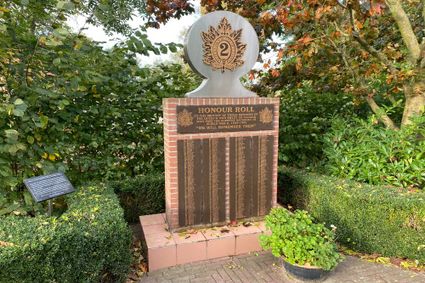
-
Thuishaven
Thuishaven
-
Walloon Church
Walloon Church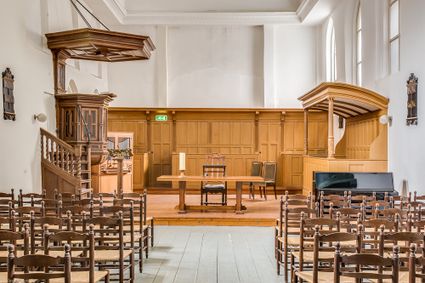
-
Goudpoel
Goudpoel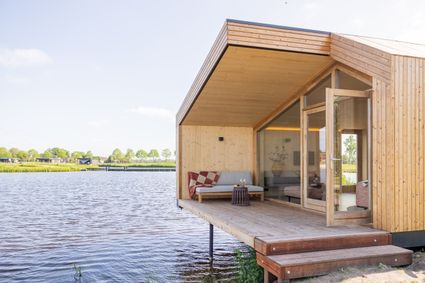
-
De Kruidhof
De Kruidhof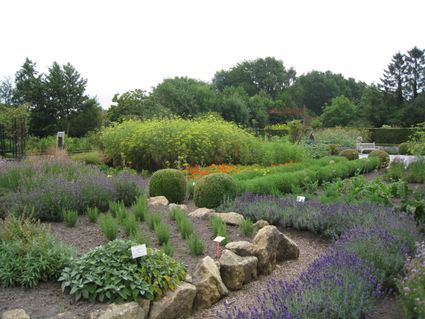
-
Openluchtmuseum It Damshûs
Openluchtmuseum It Damshûs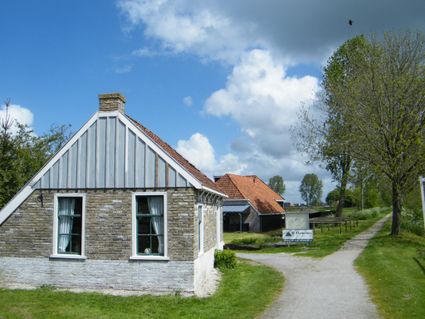
-
Beach Resorts Makkum - Schakel 6 persoons
Beach Resorts Makkum - Schakel 6 persoons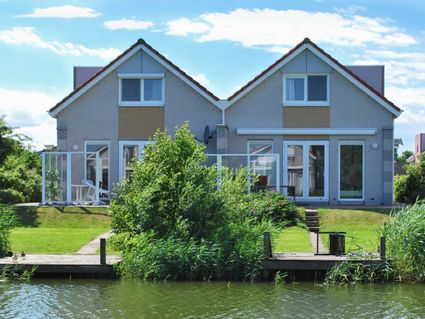
Book now
-
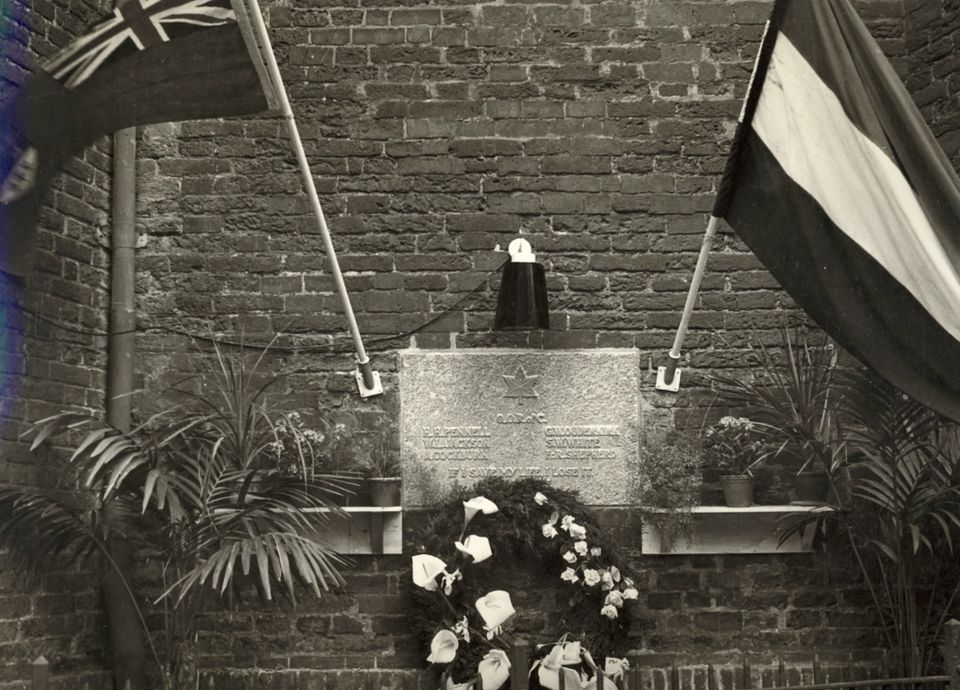
Memorial stone for Fallen Canadians
Memorial stone for Fallen Canadians
Sunday 15 April 1945, Friesland's official liberation day, was also the day Sneek welcomed the Canadian liberation forces. It had been an exciting day, and the Dutch Domestic Armed Forces (NBS) had fought quite a battle with the occupiers.
A day earlier, German troops had begun to withdraw from Sneek and the NBS had tried to hinder their retreat along the Leeuwarderweg as much as possible. Until a column of German parachute troops had entered the fray and forced the NBS to retreat.
The Waag building in the middle of the city centre was used as a weapons cache by the occupying forces during the war. To prevent it from falling into Allied hands, the fleeing troops set it on fire at around three o'clock on Sunday. Loud explosions and bangs resounded throughout the city for half an hour.
Once the enemy had left the city, the NBS operatives gathered at the HBS school for instructions and the distribution of weapons and armbands. They went into the city to round up traitors. Then, rumour had it that hundreds of German soldiers were on their way to Sneek from Lemmer. Immediately, fortifications were built at the Water gate.
Canadian units were alerted. They were now in possession of the latest defence plans for Sneek thanks to NBS intelligence and were advancing from Joure towards the town.
In the evening around half past seven, the first patrol of the Canadian infantry battalion Le régiment De La Chaudière rode into town with flame-throwers and machine guns. The German troops stayed away, and the full Canadian battalion followed.
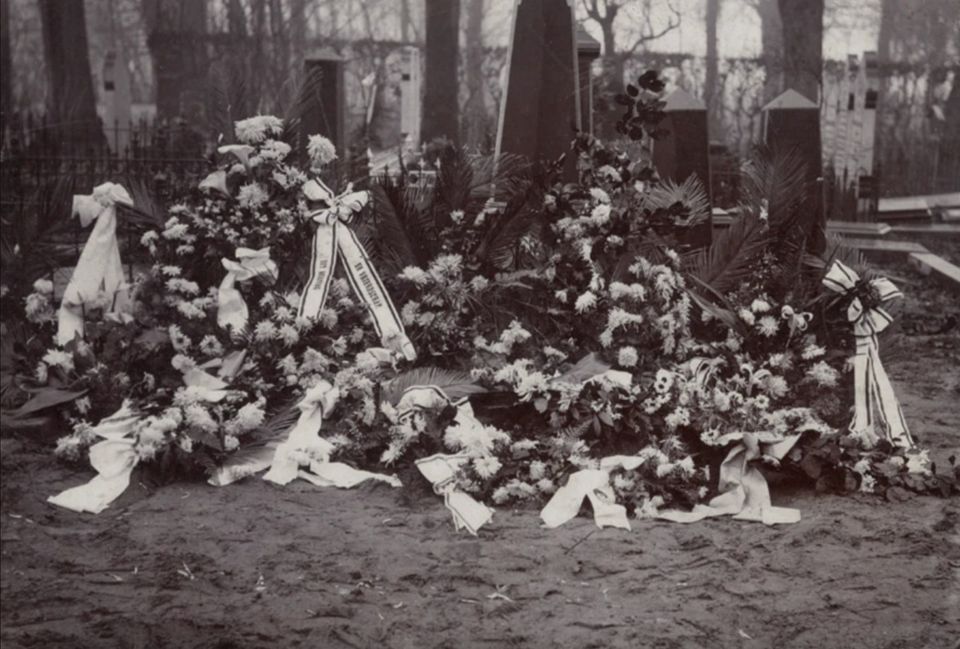
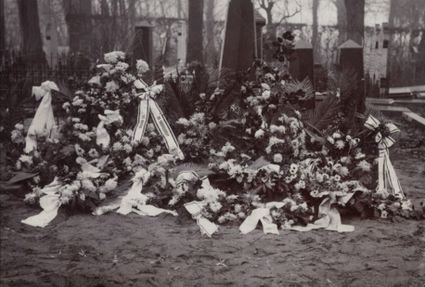
Sneek was liberated, but freedom was not yet guaranteed as German troops tried to escape via the Afsluitdijk towards Friesland. The Canadian Regiment of the Queens Own Rifles moved through Sneek to the Afsluitdijk and fiercely fought at Wons. Six Canadian soldiers were killed. They were temporarily buried at Sneek General Cemetery. In 1946, they were reburied at the Canadian Field of Honour in Holten.
Canadian guests
While waiting to return to their homeland, hundreds of Canadian soldiers were lodged with families in Sneek for about five months. On 1 June, the Perth Regiment arrived in the town, which they temporarily renamed Stratford. They were involved in the liberation of Groningen. A committee was set up to entertain the soldiers with various activities. From dances to sailing competitions and special church services.Cordial ties developed between the liberators and the people of Sneek. And sometimes more than that. For Gordon C. Compton and Atty Bouma, one could even speak of "love at first sight". When the last soldiers return home at the end of November, Gordon decided to stay in the Netherlands. On 9 May 1946, he married Atty in Sneek. Not long after, Gordon and his "war bride" left for Canada.
Several monuments in the city recall the special bond with the Canadian military, which remains very close to this day.
-
-
skûtsje Gudsekop
skûtsje Gudsekop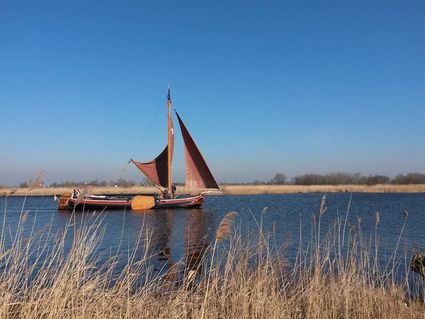
-
Greenjoy Teherne
Greenjoy Teherne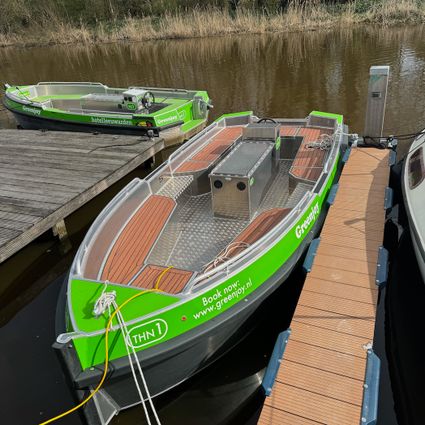
-
Eysinga State - Vakantiewoning Oan 't Wetter
Eysinga State - Vakantiewoning Oan 't Wetter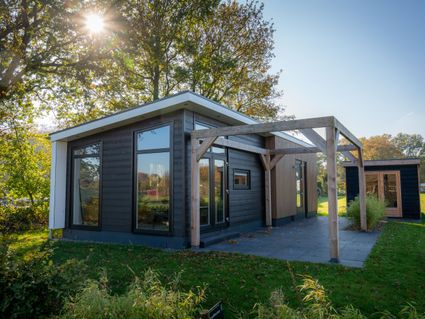
Book now
-
Kitesurfing Spot at Makkum
Kitesurfing Spot at Makkum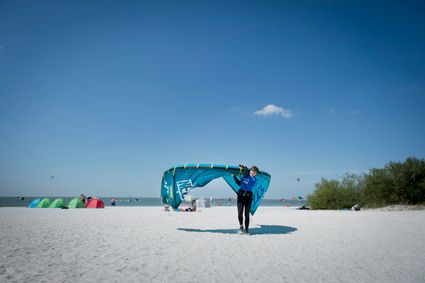
-
Oldehove
Oldehove
-
Eleven Cities Tour sculpture Aukje near Dokkum
Eleven Cities Tour sculpture Aukje near Dokkum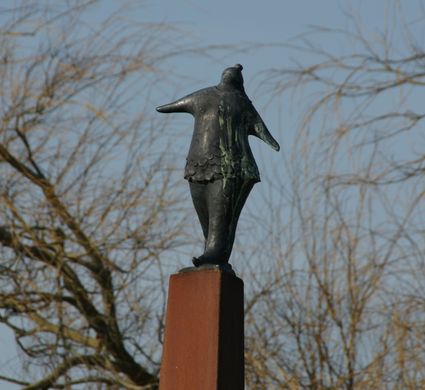
-
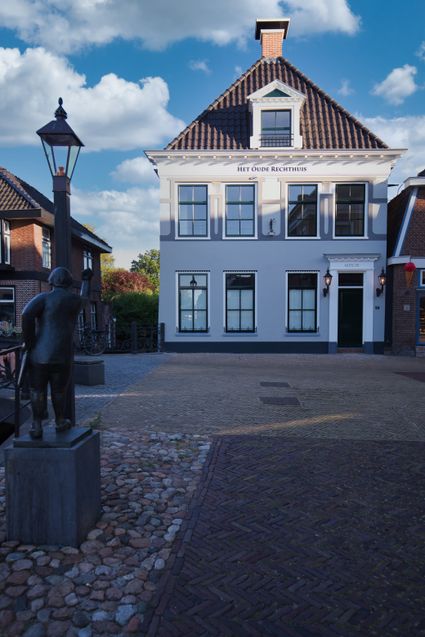
Former Courthouse
Former Courthouse
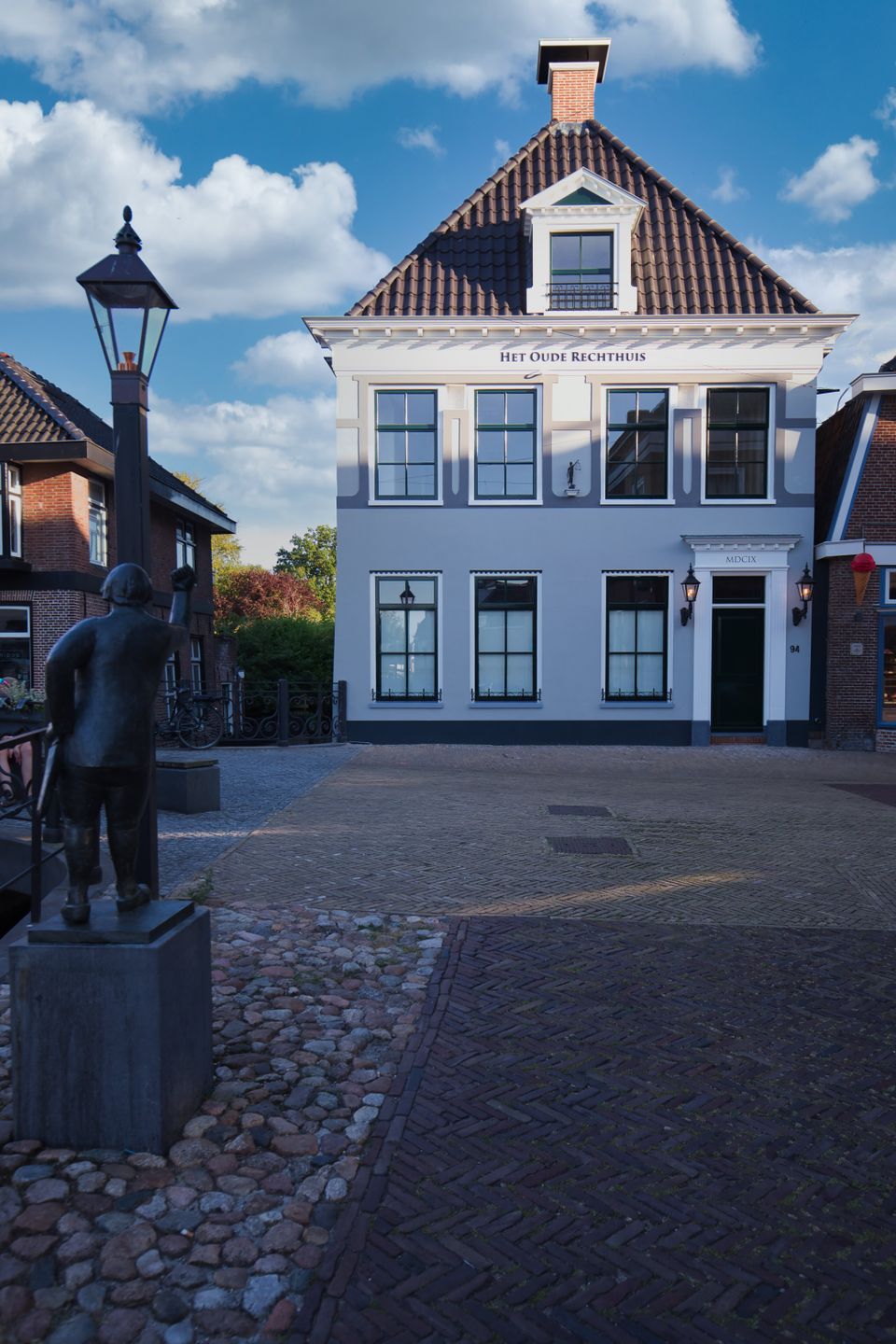
This building, now used as a shop, recalls the time when justice was administered in Kollum. It was purchased by the municipality in 1609 and has served a variety of purposes ever since. The Old Courthouse (Oude Rechthuis) played an important role during the Kollum Uprising of 1797.
The building was bought by the municipality of Kollumerland in 1609 and converted into a courthouse. It can be recognised by the statue of Lady Justice, which still watches over the street from the façade. The Rechthuis is the oldest stone building in Kollum.
Kollum was given its own courthouse because the distance between Groningen and Leeuwarden was too great to travel in a single day. The ground floor was used as an inn and even included stables for horses and cattle. To this day, the space has continued to serve a variety of purposes.
The Rechthuis played a significant role during the Kollum Uprising of 1797. In February of that year, the arrest of the Orangist supporter Abele Reitzes sparked an uprising in which a crowd stormed the courthouse in an attempt to free him. The revolt resulted in extensive damage and was harshly suppressed, with 168 people being arrested. You can learn more about these events at the statue of Jan Binnes further along this route. The prison cell in the building's basement has been preserved. From the bridge, you can still clearly see the small barred window of the former jail cell.
-
-
Gastenhuis de Timmerwerkplaats Ferwoude
Gastenhuis de Timmerwerkplaats Ferwoude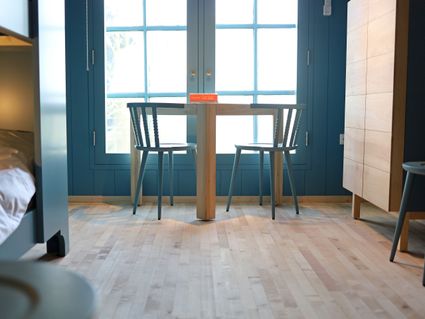
-
Skips Lodge
Skips Lodge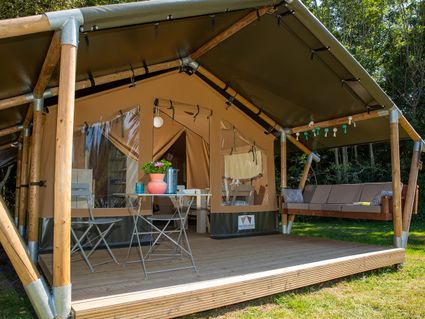
Book now
-
Vakantiepark De Kuilart - Camping - Kampeerplaats Comfort met privé sanitair
Vakantiepark De Kuilart - Camping - Kampeerplaats Comfort met privé sanitair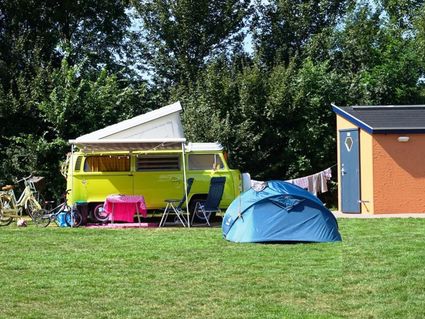
-
Yachtcharter De Drait Drachten
Yachtcharter De Drait Drachten
-
SVR Camping Jonkman
SVR Camping Jonkman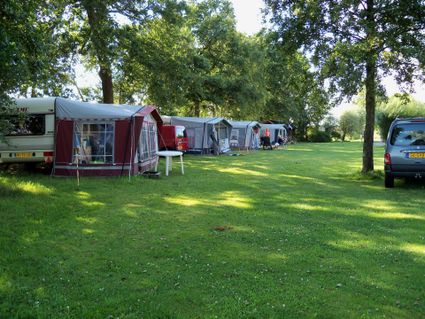
-
Eysinga State - Boerderijchalet 4-6p
Eysinga State - Boerderijchalet 4-6p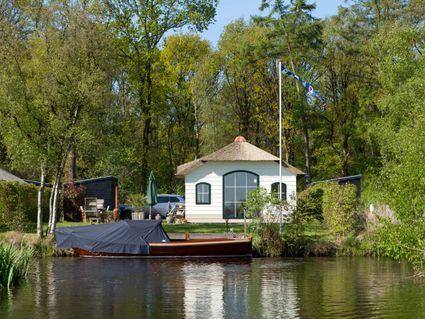
Book now
-
By Peek - Standaard appartement
By Peek - Standaard appartement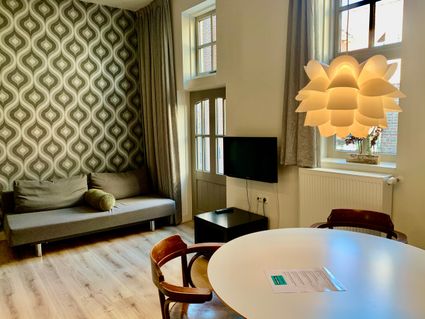
Book now
-
Radar station Sondel
Radar station Sondel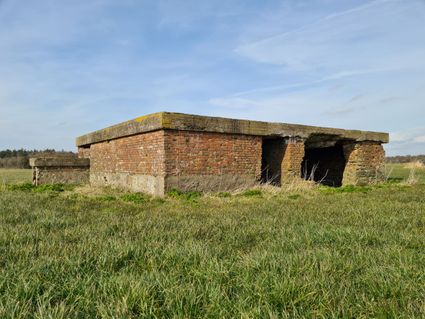
-
Unia 12
Unia 12