Locations
1897 to 1920 of 2948 results
-
Jachtwerf Oost B.V. - De Drait Deluxe 42 ‘Us Schipp’
Jachtwerf Oost B.V. - De Drait Deluxe 42 ‘Us Schipp’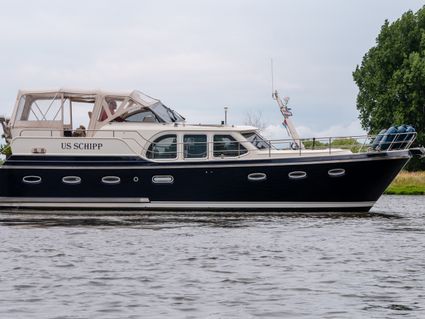
-
Bar Bistro DuCo
Bar Bistro DuCo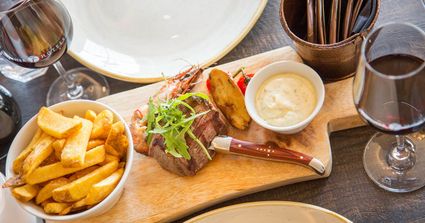
-
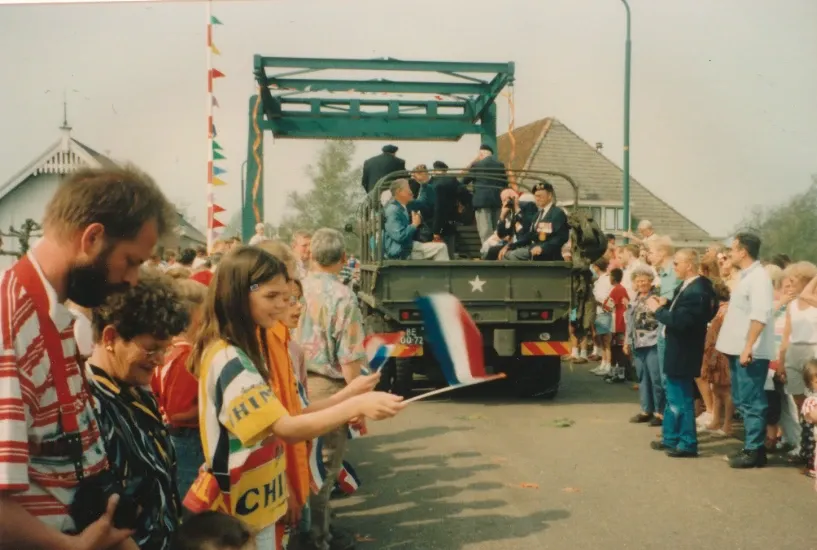
The battle for the Tjonger bridge in Mildam
The battle for the Tjonger bridge in Mildam
In the afternoon of 12 April, rumours had reached Mildam that Englishmen or perhaps Canadians had been sighted at Peperga. The Canadian vanguards had entered Friesland. For the inhabitants of Mildam it was still a surprise when at first one and shortly afterwards another military vehicle with a few men in khaki-coloured overalls stopped at the bridge.
These vehicles were part of a patrol of "D" Squadron Royal Canadian Dragoons commanded by Lieutenant Homer Thomas. These Canadians established that unlike other bridges, the bridge in Mildam over the Tjonger had not yet been blown up by the occupying forces. The fact that the Tjonger bridge in Mildam had not been destroyed was due to the local resistance movement. The Germans had indeed planned to blow up this bridge as well. But at the risk of their own lives, resistance fighters had removed the detonators from the explosives affixed to the bridge.
The Squadron Commander immediately ordered all units to secure the bridge. And the Dutch Domestic Armed Forces were also requested to provide men. The precautions turned out to be justified. In the night of 12 to 13 April, German troops launched one of their few counter-attacks in the province of Friesland. From Heerenveen, they managed to surprise the Canadians in Mildam. They tried to regain control of the bridge three times. During the fierce fighting, Canadian vehicles were knocked out. But the Dragoons stood firm, and the Germans were driven off again. Mildam was freed.Four Canadian soldiers were injured in the fighting. The number of casualties on the German side is unknown. There was property damage in Mildam, but no civilians were killed. With a little less luck, though, there would have been several Dutch casualties. In the early morning of 13 April, a group of dozens of resistance fighters approached the bridge at dusk from the direction of Nieuweschoot. This was the reinforcement requested by the Canadians on 12 April when the undamaged bridge was discovered. The resistance fighters were partly carrying captured German weapons and were not noticed by the Dragoons in the semi-darkness until late.
Lieutenant Thomas, mentioned earlier, almost gave the order to open fire. It was only at the last moment that it became clear that they were not Germans. The resistance members had managed to make themselves known by singing songs in English.
The preservation of the bridge was important. During the following days, the Canadians would make extensive use of the bridge to advance further in the direction of Leeuwarden and liberate the province of Friesland.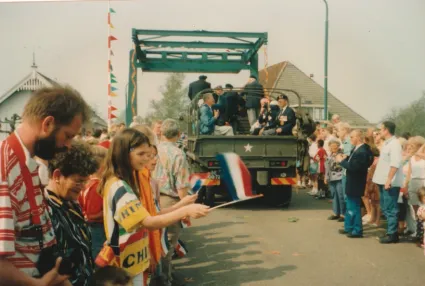
-
-
Vakantiepark De Kuilart - Camping - Camperplaats veld A
Vakantiepark De Kuilart - Camping - Camperplaats veld A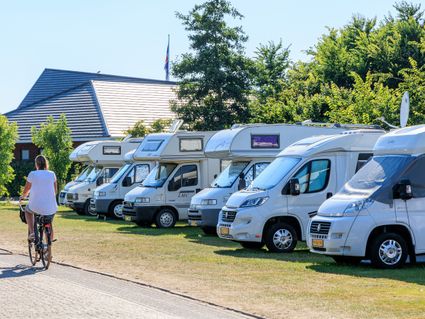
-
Fletcher Hotel-Paleis Stadhouderlijk Hof
Fletcher Hotel-Paleis Stadhouderlijk Hof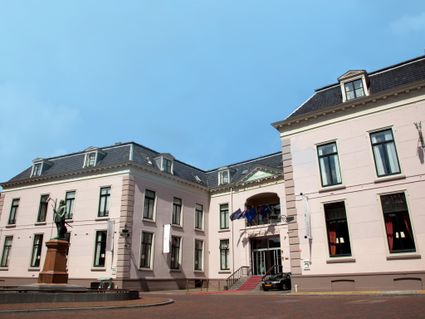
-
Sail-a-way Sneekermeer
Sail-a-way Sneekermeer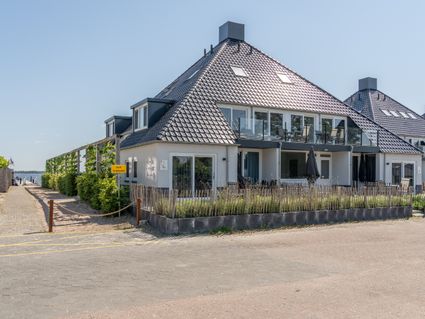
-
Huize Goede Reede
Huize Goede Reede
-
Earnewâld
Earnewâld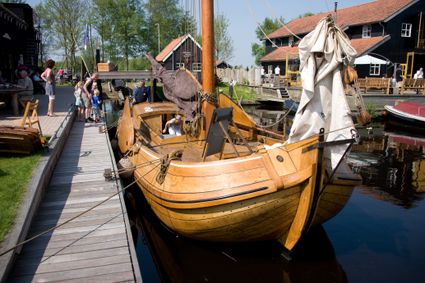
-
de Fluessen
de Fluessen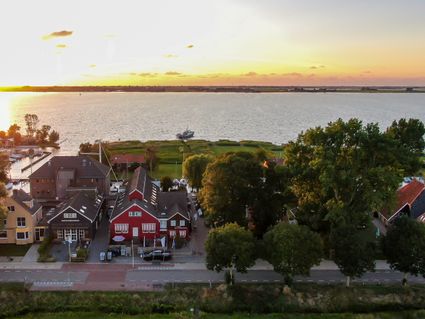
-
Kollum (Kollum)
Kollum (Kollum)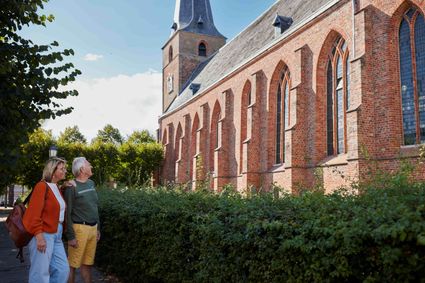
-
Smakelijk
Smakelijk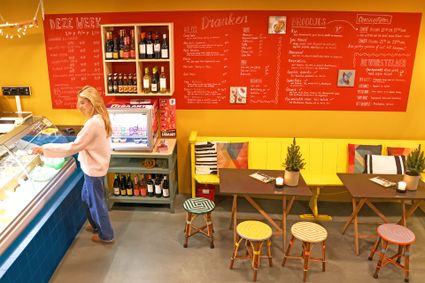
-
Hotel Stedswal - Kamer 5 - Hylpen
Hotel Stedswal - Kamer 5 - Hylpen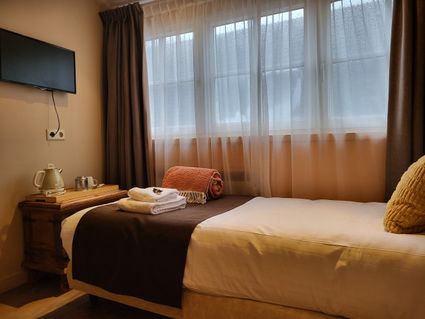
-
Rent to Enjoy - Houseboat Hangloose
Rent to Enjoy - Houseboat Hangloose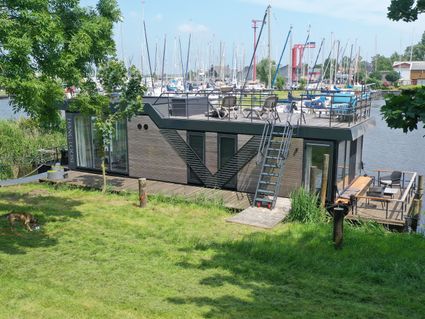
Book now
-
St. Catherine's Church Aalsum
St. Catherine's Church Aalsum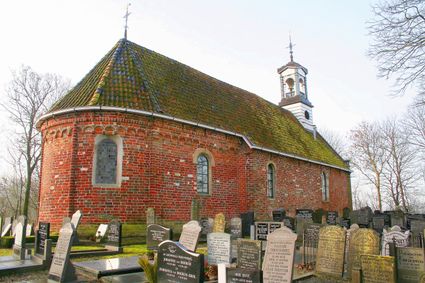
-
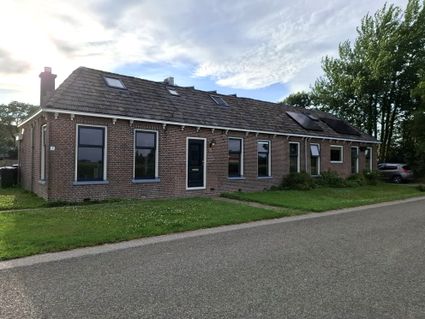
Workers' cottages Wijnaldum
Workers' cottages Wijnaldum
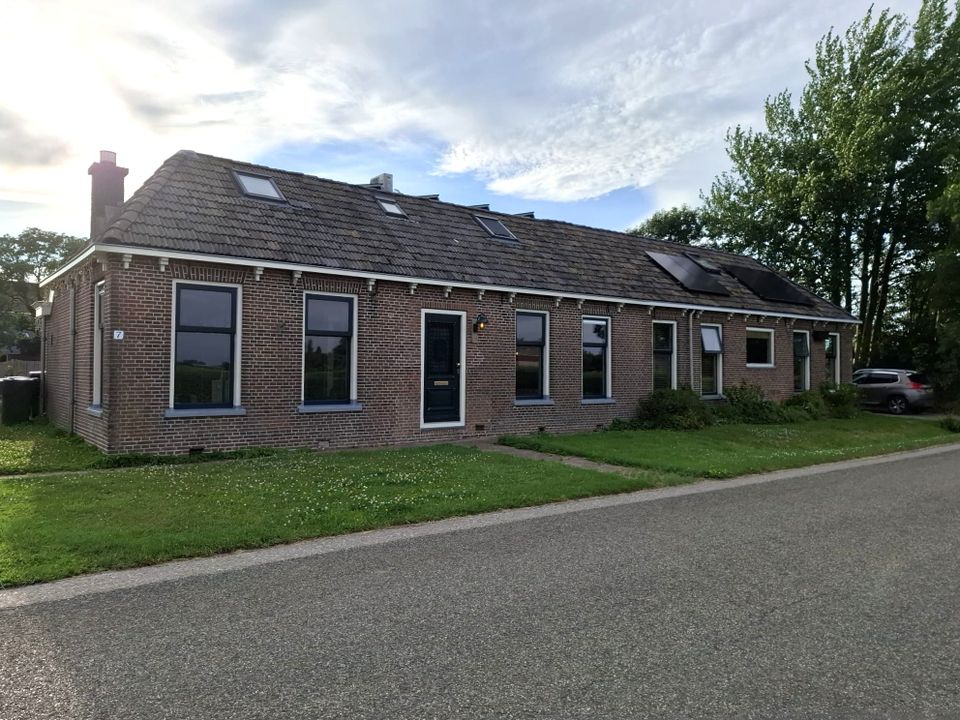
The characteristic head-neck-barn farmhouses along the Foarryp were established in the 17th century as independent farms on the fertile marine clay. The nearby workers' cottages are a reminder of the many hands needed for mixed farming, combining arable crops with livestock.
Following the construction of the sea dikes, farms were built outside the terps. The fertile marine clay made mixed farming possible, with both livestock and arable cultivation. These characteristic head-neck-barn farmhouses were largely self-sufficient and provided employment for both resident and non-resident farm workers.
-
-
Leeuwarden Visitor Center
Leeuwarden Visitor Center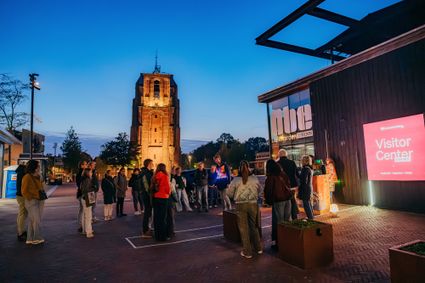
-
DaVinci Yachts BV
DaVinci Yachts BV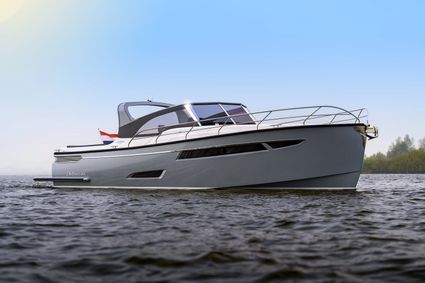
-
Grand Café De Walrus
Grand Café De Walrus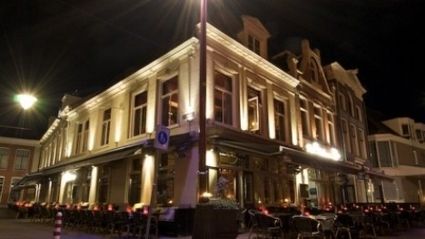
-
Marina Gytsjerk
Marina Gytsjerk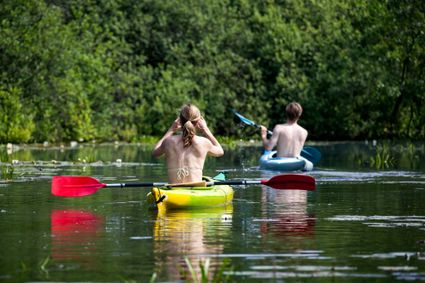
-
De Zee Restaurant
De Zee Restaurant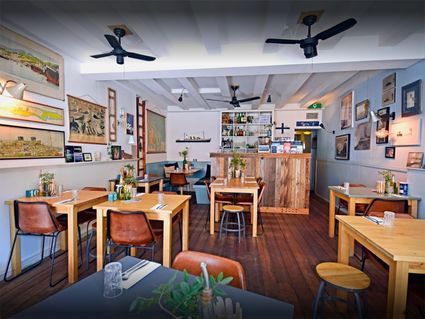
-
Kattencafé PoesPas
Kattencafé PoesPas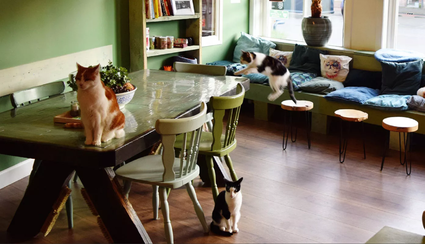
-
B&B Pension Perruque
B&B Pension Perruque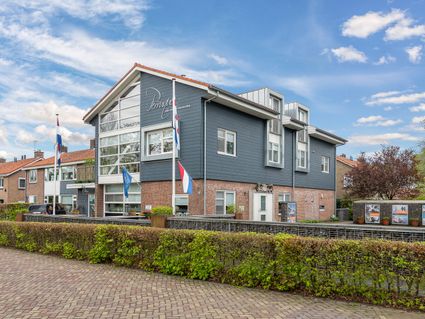
-
Gaasterland Forests
Gaasterland Forests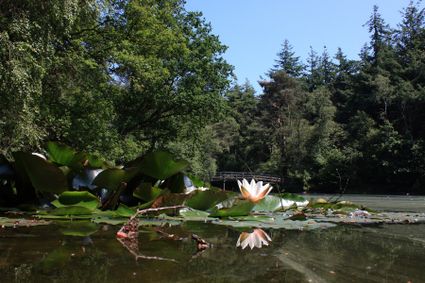
-
Piaam State
Piaam State