Locations
1513 to 1536 of 2890 results
-
Camping De Stjelp
Camping De Stjelp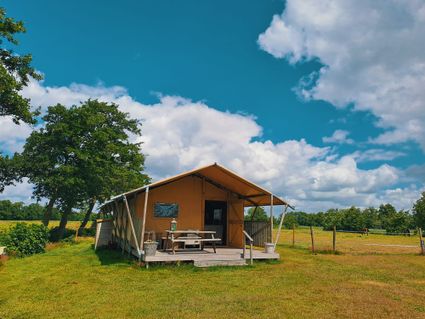
Sustainability info
-
In de Wij
In de Wij
Book now
-
Beach Resorts Makkum - Strandvilla+ 8 persoons
Beach Resorts Makkum - Strandvilla+ 8 persoons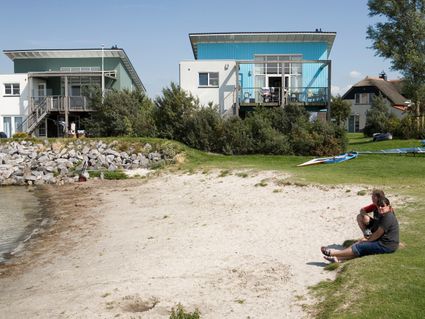
Book now
-
The liberation of Friesland 1
The liberation of Friesland 1
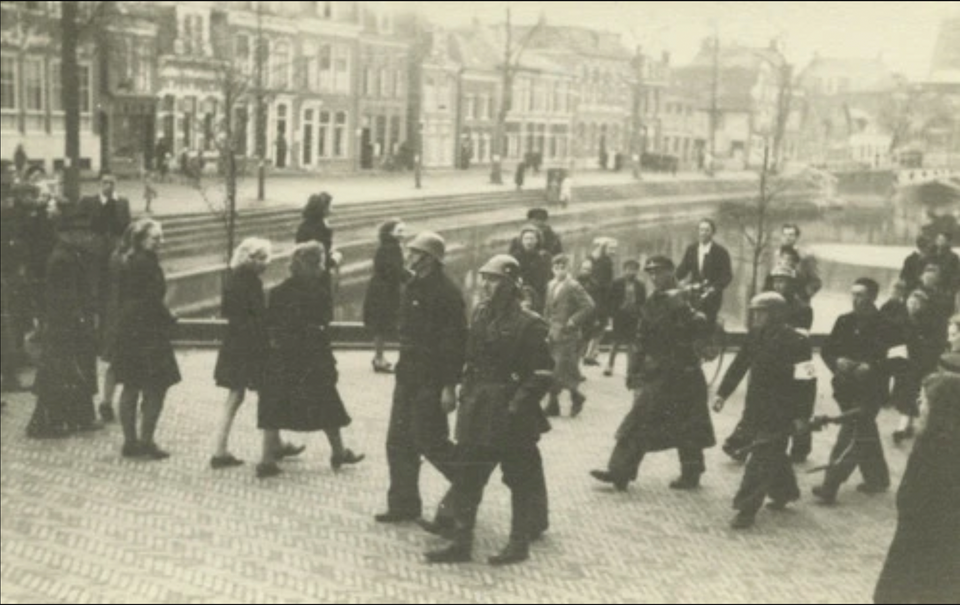
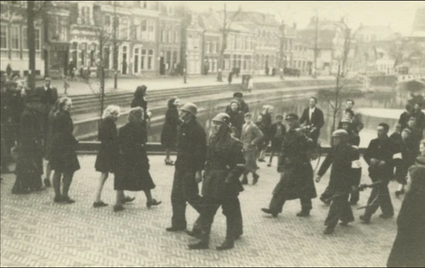
In early April, it became clear that the liberation of Friesland was imminent. Although the province had not suffered a real Hunger Winter like other parts of the Netherlands, there were severe shortages of just about everything. And the terror of the occupying forces was growing. This also led to increased resistance against the occupying forces. The battle between the two was tougher than ever in early 1945.
In Friesland, assault groups known as Knokploegen (KP) were responsible for most acts of resistance. But there were other groups too. On the orders of the Dutch government in London, all these groups were merged into the Dutch Domestic Armed Forces (NBS). In Friesland, this happened on 12 December 1944.
The NBS, popularly referred to as the BS, gave the armed resistance an organisation with a clear structure. The NBS was also supposed to play a role in the upcoming liberation. To this end, resistance groups were provided with weapons from autumn 1944. These were dropped from the air.
On 8 April, Radio Orange broadcast the message "The bottle is empty." This was the signal for the NBS to start carrying out sabotage operations 36 hours later. The aim was to make it as difficult as possible for the Germans to defend themselves against the approaching Allied forces.
The resistance did this by putting bridges and railways out of order, blocking waterways and blocking roads. The response of the occupying forces was ruthless. In retaliation, dozens more prisoners were shot at different times and places.Once the Canadians entered Friesland on 12 April, they were supported extremely effectively by the Frisian resistance. Because it was superbly organised, they were able to help the Canadians take control of important bridges, repair damaged bridges, and advise on the most favourable route.
By 18 April, the whole province was liberated except for the Wadden Islands (these were liberated in late May and in June). Compared to other provinces, there was little fighting in Friesland. Overall, the few thousand German troops who had been unable to flee Friesland were defeated by the Canadians relatively quickly.
The commander of the Royal Canadian Dragoons, Lieutenant Colonel Landell, praised the actions of the resistance by stating "Friesland liberated herself." While that may be a bit of an exaggeration, the actions of the Frisian resistance undoubtedly accelerated the liberation. And reduced the number of casualties on the Allied side.
In confrontations with German troops and their Dutch accomplices, at least 31 resistance fighters lost their lives. On the Allied side, at least eleven Canadians and one Frenchman were killed. The fighting and shelling also resulted in dozens of civilian casualties. The number of casualties on the German side is not known, but probably ran into the hundreds. With 320 houses destroyed and 4,000 damaged and 80 bridges destroyed, Friesland was materially the least damaged province in the Netherlands.
-
-
Camping Stoker - Farm Campsite
Camping Stoker - Farm Campsite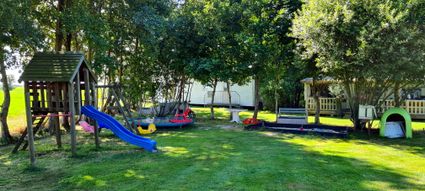
-
Woudsend (Wâldsein)
Woudsend (Wâldsein)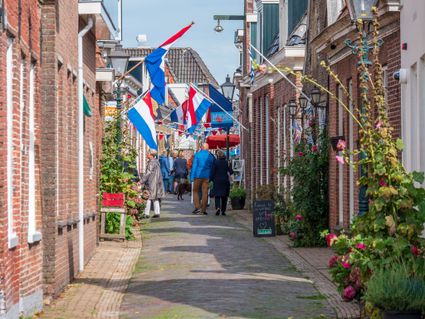
-
Camping de Finne - Bell Tent
Camping de Finne - Bell Tent
-
Aqua State - Brekkense Wiel 138
Aqua State - Brekkense Wiel 138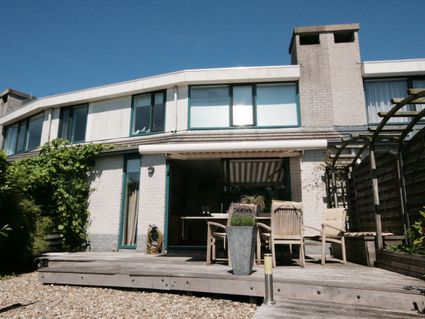
Book now
-
Vakantiehuis Tjeukemeer de Friese Meren
Vakantiehuis Tjeukemeer de Friese Meren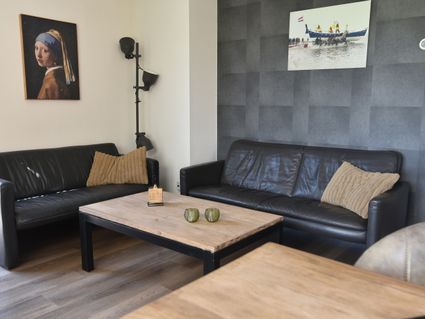
Book now
-
Water Gate Sneek
Water Gate Sneek
-
Marina Resort Hart van Friesland - Tweepersoons havenhuisje
Marina Resort Hart van Friesland - Tweepersoons havenhuisje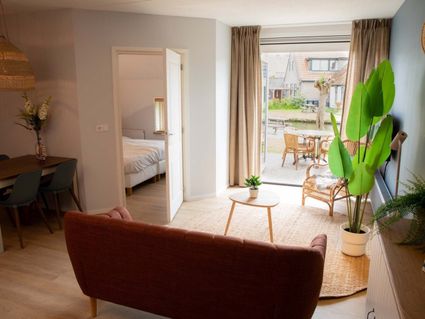
Book now
-
Welgelegen - VW Bus hut
Welgelegen - VW Bus hut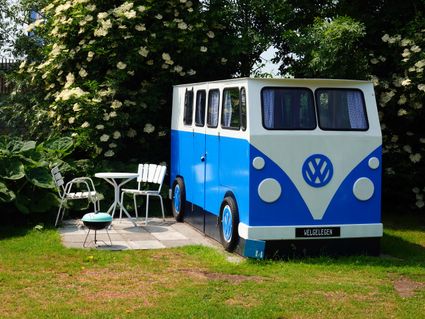
Book now
-
Watertorenhotel Nes - Kamer Turrem
Watertorenhotel Nes - Kamer Turrem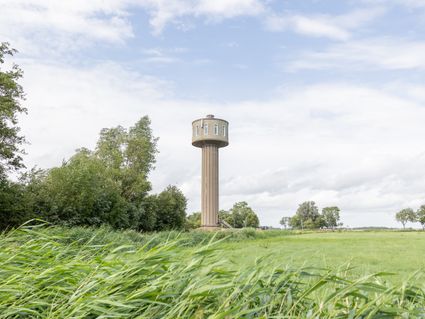
Book now
-
Súdergoabrêge Workum
Súdergoabrêge Workum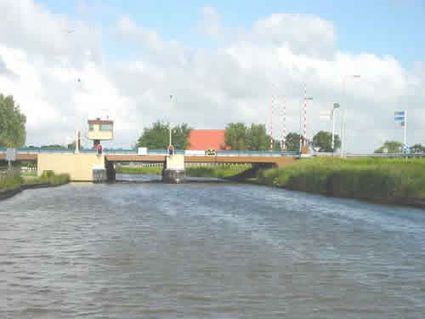
-
Anne & Max
Anne & Max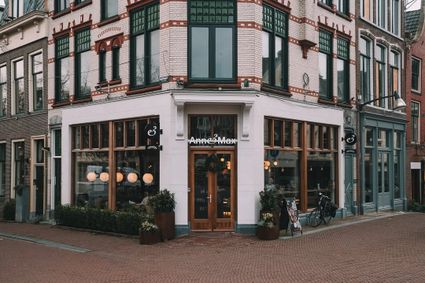
-
The Langweer Mill
The Langweer Mill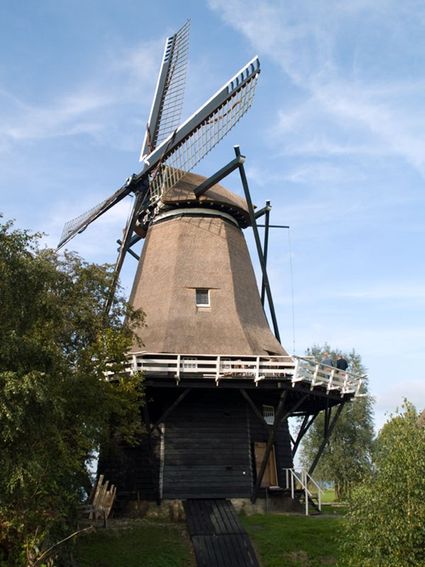
-
FrieslandZeilen - Kajuitzeilboot FOX 22
FrieslandZeilen - Kajuitzeilboot FOX 22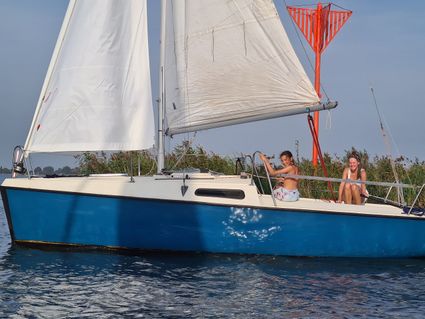
Book now
-
Sier aan Zee
Sier aan Zee
-
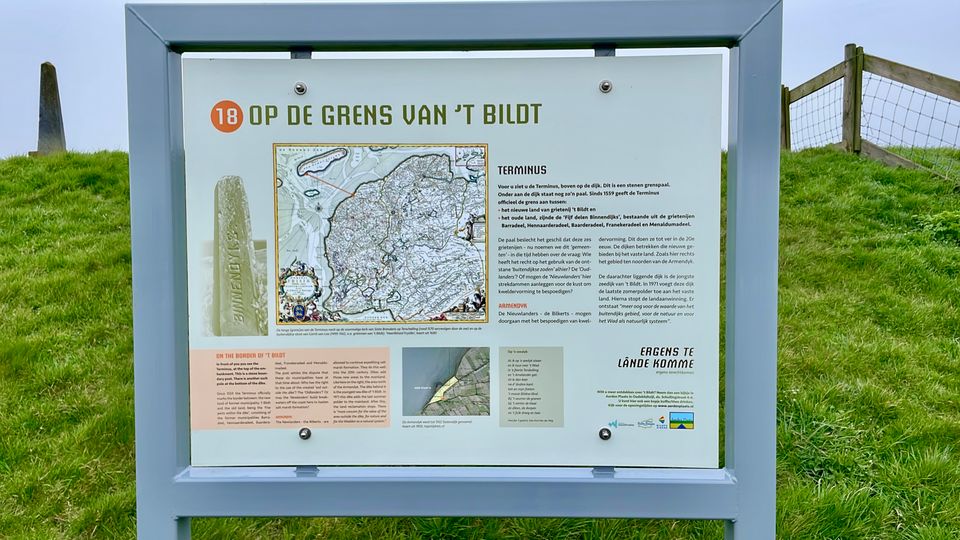
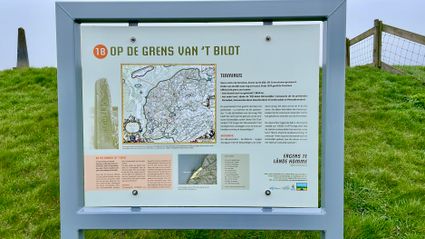
De Terminus
De Terminus
The boundary marker ‘de Terminus’ on top of the dike marks the boundary between the new and the old land.
This boundary marker indicates the division between the old land and the newly reclaimed land. The land reclamation was highly valuable, creating new fertile agricultural land to cultivate. However, a dispute arose over who had the right to this land: the people of the old land or those of the newly reclaimed land.
Ultimately, the land went to the people of the newly reclaimed land. Today, land reclamation has ceased in order to protect the beautiful nature outside the dike.
-
-
it Dreamlân ecolodge
it Dreamlân ecolodge
Sustainability info
Book now
-
Walloon Church
Walloon Church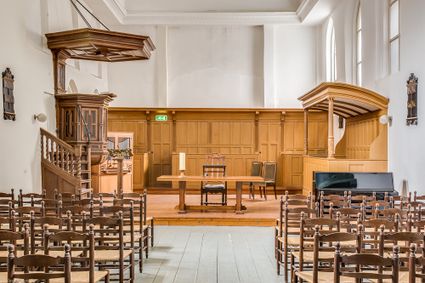
-
Observeum | Museum & Observatory
Observeum | Museum & Observatory
-
Sloepverhuur de Rakken
Sloepverhuur de Rakken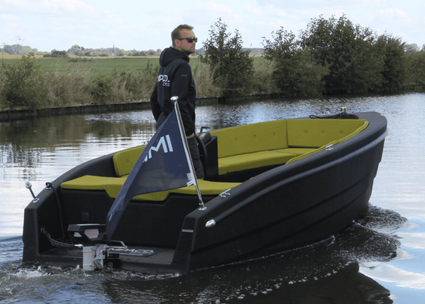
-
Stichting Beleef IJlst
Stichting Beleef IJlst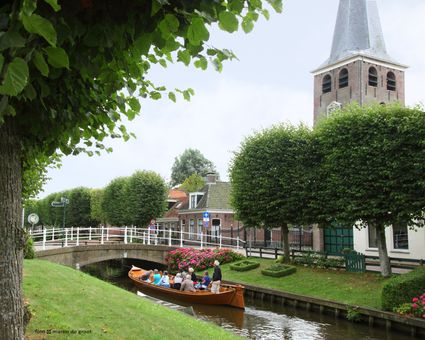
Book now