Locations
1657 to 1680 of 2778 results
-
National Park 'Drents-Friese Wold'
National Park 'Drents-Friese Wold'
-
REM Yachtcharter - Motorjacht Mimosa
REM Yachtcharter - Motorjacht Mimosa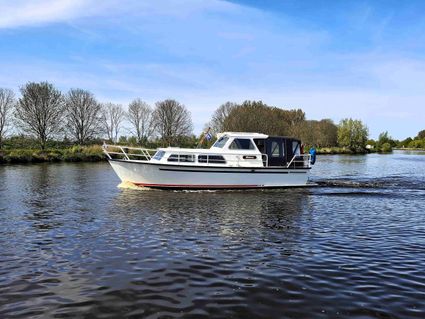
Book now
-
St Martin’s Church Fresco
St Martin’s Church Fresco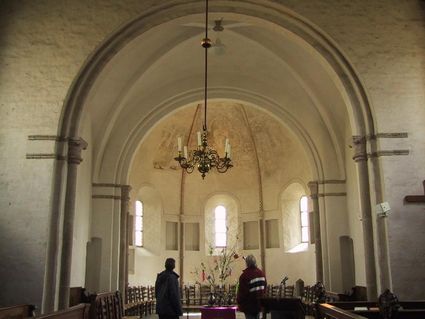
-
Sail-a-way Sneekermeer - Appartement 8-1
Sail-a-way Sneekermeer - Appartement 8-1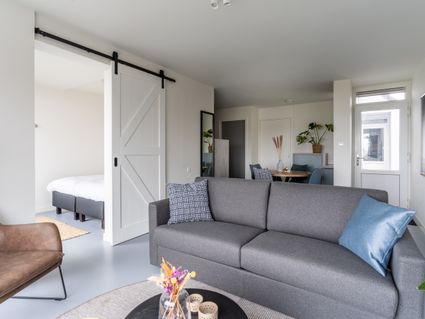
Book now
-
Group accommodation at ‘De Blikvaart’
Group accommodation at ‘De Blikvaart’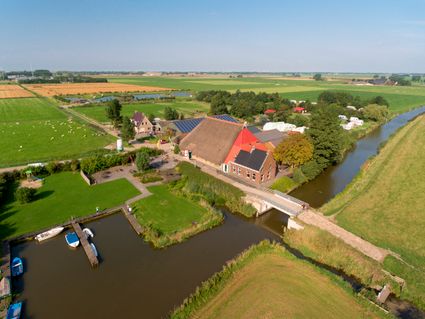
-
De Friese Bierbrouwerij Us Heit
De Friese Bierbrouwerij Us Heit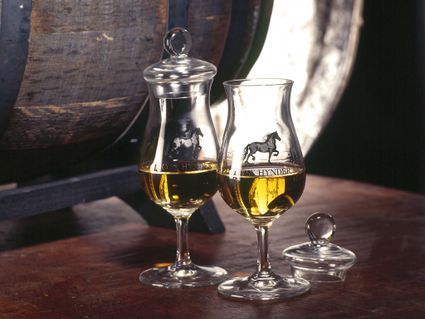
-
De Kan Hoeve - Vakantiehuisje 1
De Kan Hoeve - Vakantiehuisje 1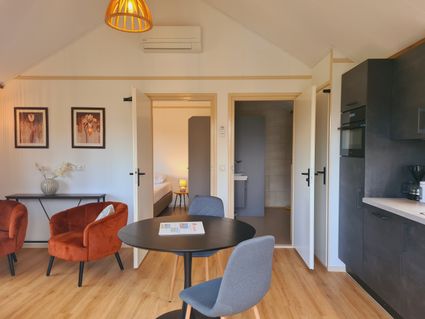
Book now
-
Aldehoeve-logies - Appartement Ien
Aldehoeve-logies - Appartement Ien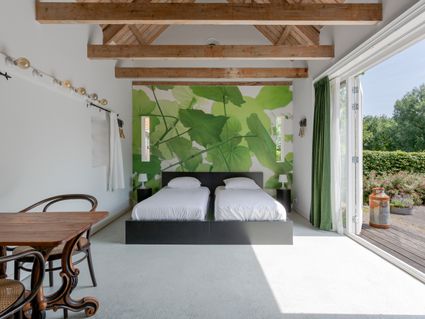
Book now
-
Seventy evacuees from Arnhem and Limburg
Seventy evacuees from Arnhem and Limburg
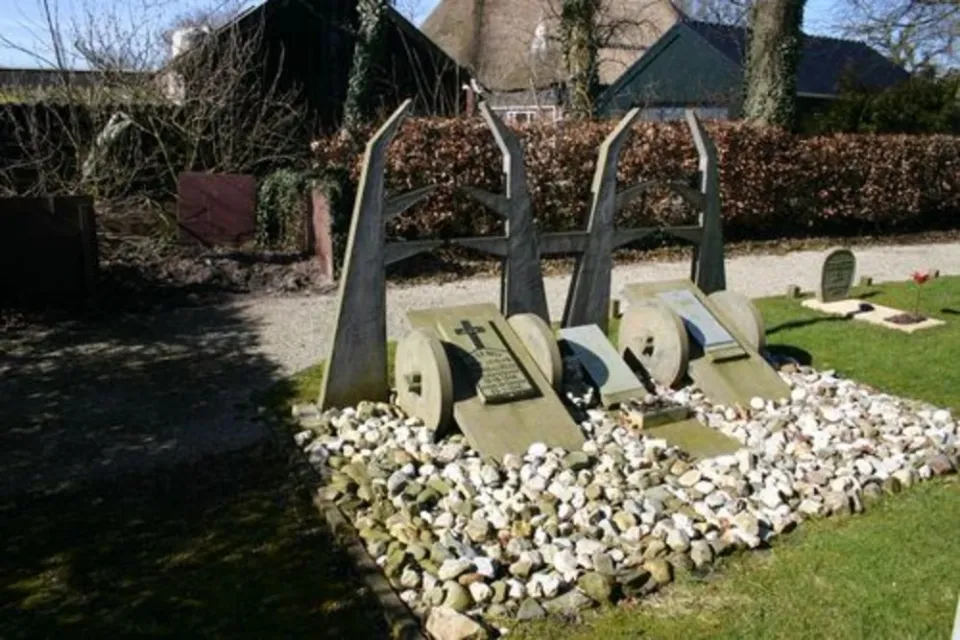
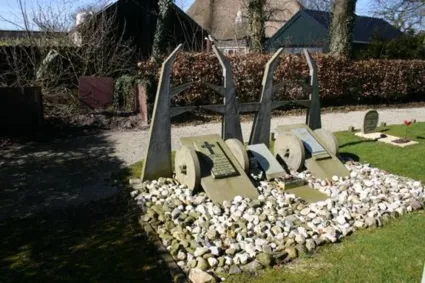
The grave monument in Gytsjerkwas erected in memory of Maria v/d Heuij. Maria was one of seventy evacuees from Arnhem and Limburg who arrived in Gytsjerk on 22 January 1945. Maria died a day later, just a few months old. The harsh conditions during the trip had proved fatal to her. Maria did not live to see the liberation. Fortunately, many of the other evacuees with whom she undertook the journey did.
Symbolism
The monument's spiritual father, artist Klaas Bokma, chose two carts because this was the means of transport often used by evacuees. The four withered trees symbolise death. The cross is not only a symbol of the Christian faith, but also a reminder of the sacrifice made by war victims for a life of freedom.
The oldest pupils of Ichtus and Thrimwalda primary schools take care of this monument.
-
-
Familieboten - Ysbrand
Familieboten - Ysbrand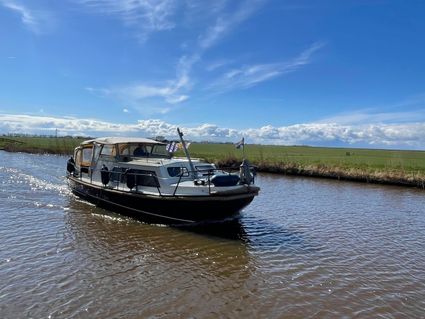
Book now
-
Pingjumer Gulden Halsband inner dike
Pingjumer Gulden Halsband inner dike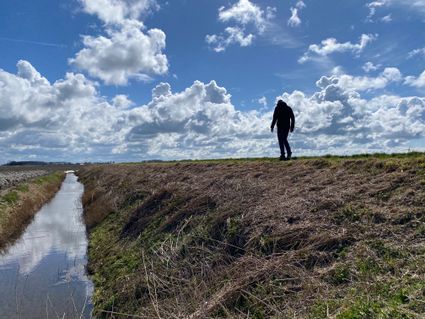
-
Ee (Ie)
Ee (Ie)
-
Tourist Information Franeker
Tourist Information Franeker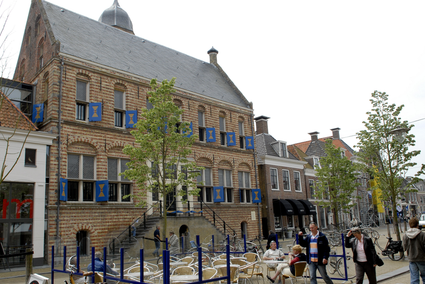
-
Het Posthuis Theater
Het Posthuis Theater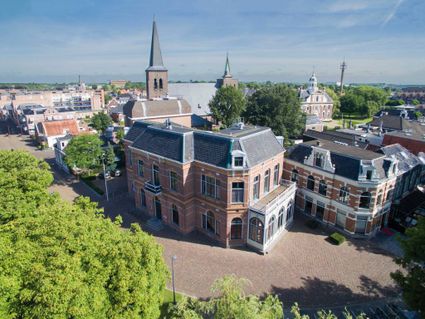
-
Elfstedentocht Turning Point - Dokkum
Elfstedentocht Turning Point - Dokkum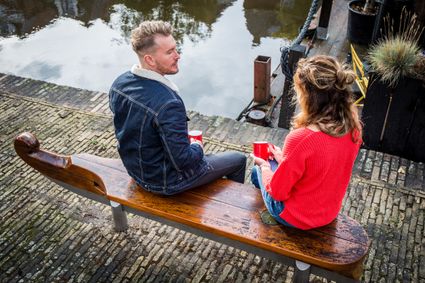
-
St. Boniface's Church Damwâld
St. Boniface's Church Damwâld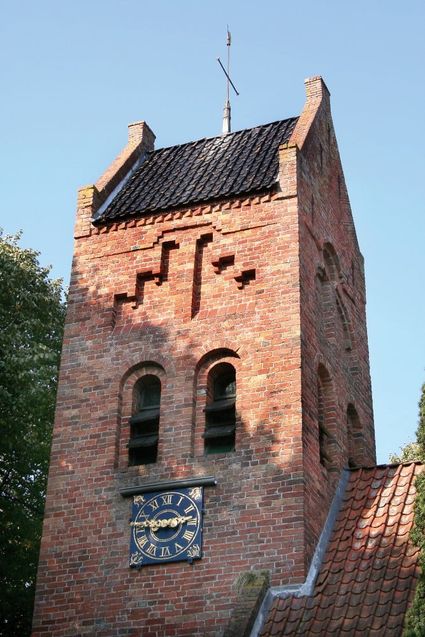
-
Galerie Peter Bax
Galerie Peter Bax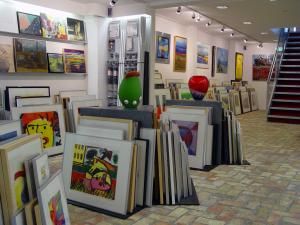
-
Zuivelhoeve Leeuwarden
Zuivelhoeve Leeuwarden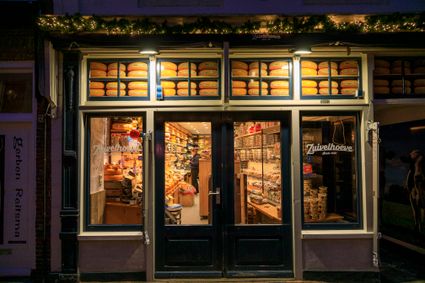
-
Suvelfabryk
Suvelfabryk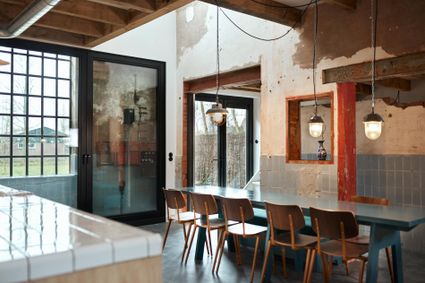
-
Vintagemarket
Vintagemarket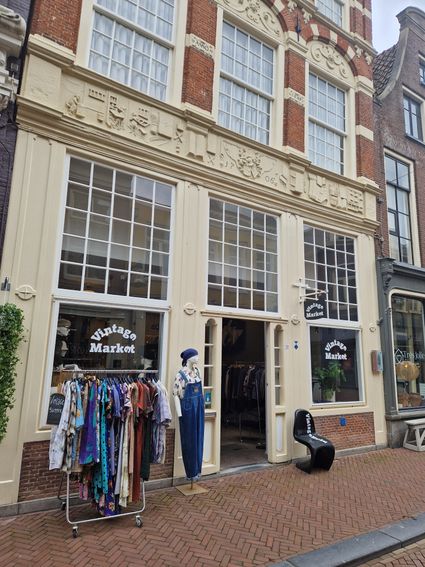
-
Vino & Verder
Vino & Verder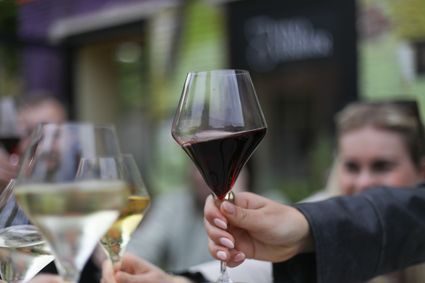
-
Botter Bornrif Sailing Trips
Botter Bornrif Sailing Trips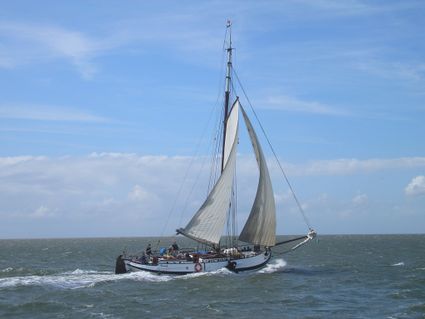
-
Het Molenhuis - Het Molenhuis
Het Molenhuis - Het Molenhuis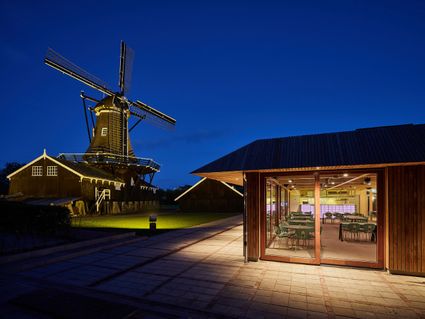
Book now
-
Camping De Verborgen Hoek
Camping De Verborgen Hoek