Locations
2065 to 2088 of 2765 results
-
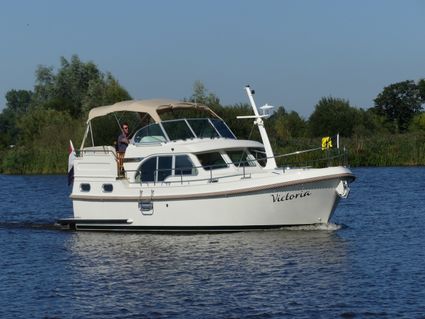
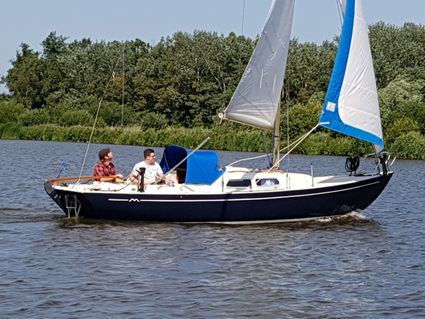
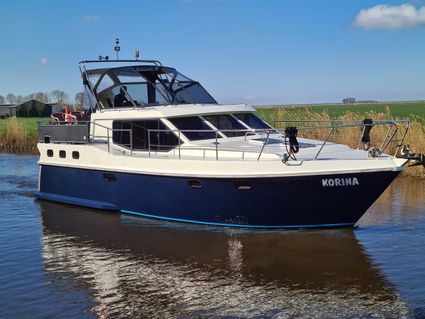
Varen met Sil
Varen met Sil Dokkumer Nieuwe Zijlen
-
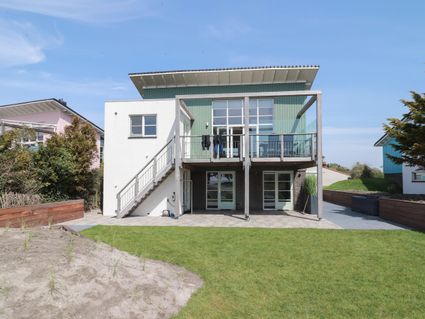
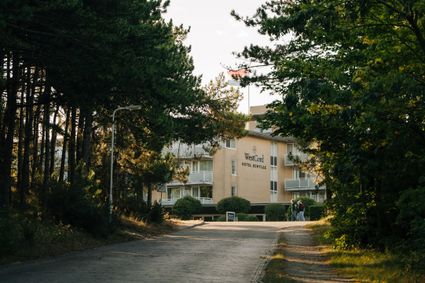
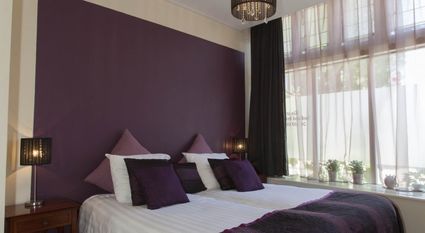
Boutique Hotel de Eilanden
Boutique Hotel de Eilanden Harlingen
-
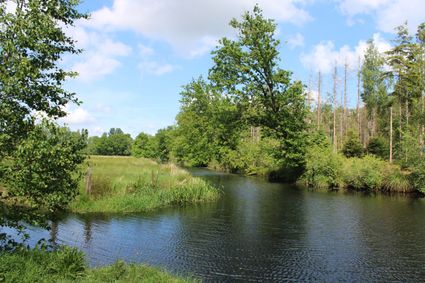
Canadameer (Aekingameer) Lake
Canadameer (Aekingameer) Lake Elsloo
-
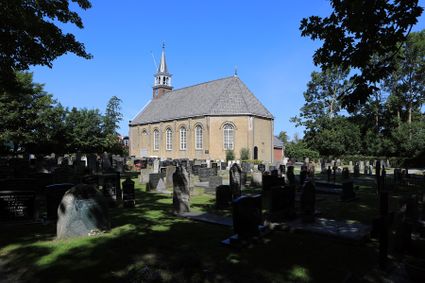
Snikzwaag Bell Tower
Snikzwaag Bell Tower Snikzwaag
-
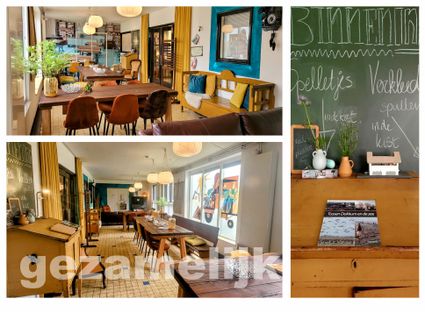
d'Oude Herbergh - Vakantiewoning de Koumelker
d'Oude Herbergh - Vakantiewoning de Koumelker Terherne
Book now
-
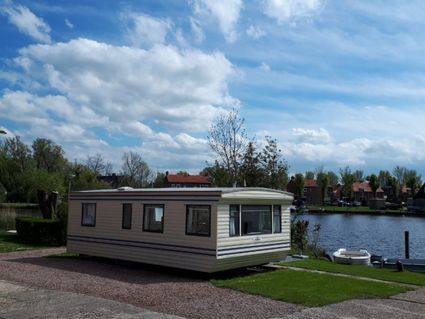
Camping de Achte - Vakantiehuisje de Achte
Camping de Achte - Vakantiehuisje de Achte Wommels
Book now
-
Dijktempel (dike temple) at Marrum
Dijktempel (dike temple) at Marrum Marrum
-
Van der Valk Hotel Sneek - Deluxe kamer - Boszijde
Van der Valk Hotel Sneek - Deluxe kamer - Boszijde Sneek
Sustainability info
Book now
-
Bakkerij Visser
Bakkerij Visser Woudsend
-
Stadslogement Westersingel
Stadslogement Westersingel Sneek
-
De Lytse Brekken
De Lytse Brekken Follega
-
Occupation of the Blesse bridge by the NBS
On 8 April 1945, the words "The bottle is empty" sounded on Radio Orange. This code message was the go-ahead for the resistance to start putting bridges, roads and railway lines out of order thirty-six hours later. The Frisian resistance answered this call en masse.
As soon as the Allied vanguard drew near, the armed resistance was also deployed to support their advance. And that sometimes meant that there were also bridges that had to be occupied rather than deactivated. One such action took place in the municipality of Weststellingwerf.
On 12 April 1945, the Canadian vanguard approached the village of De Blesse. The local section of the Dutch Domestic Armed Forces (NBS) was instructed by the resistance leadership to scout the railway bridge and road bridge (the Blesse bridge) over the Linde and, if possible, to occupy them.These bridges were important for maintaining the speed of the Canadian advance. Partly for this reason, they were also often guarded by German soldiers. In most cases, the bridges were also fitted with explosives. This allowed the bridge to be blown up if the Germans eventually had to retreat.
The reconnaissance revealed that the Blesse bridge was guarded by a total of about 10 soldiers. The NBS then decided to attack the bridge from two sides in the evening. Thanks to several aerial arms drops, the resistance fighters were well armed. In the dark, the men set off and split up into three groups. They eventually took up posts north and south of the bridge. The plan was to storm the bridge at two in the morning from the south.To their surprise, their fire was not returned as they approached the bridge. The guards appeared to have disappeared. With that, the bridge had unexpectedly fallen into the hands of the NBS without bloodshed. Moreover, no explosives were found to be affixed to bridge. After the bridge was secured, it was guarded until the Canadians arrived.
News of the occupation of the bridge was reported to the section commander the same night. And through other means of communication, the news also reached the Canadians. Holding the bridge facilitated and accelerated the Canadians' advance later in the day.
De Blesse
-
De Leiker
De Leiker Ryptsjerk
-
Arte Suite Workum
Arte Suite Workum Workum
-
Sint Gertrudis church
Sint Gertrudis church Workum
-
Cannon Firing in Sloten
Cannon Firing in Sloten Sloten
-
Veenkloosterbos Forest on Fogelsangh State Country Estate
Veenkloosterbos Forest on Fogelsangh State Country Estate Feankleaster
-
Buitenpost (Bûtenpost)
Buitenpost (Bûtenpost) Buitenpost
-
City Hall of Bolsward
City Hall of Bolsward Bolsward
-
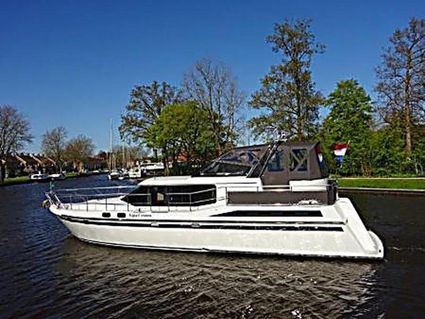
Aira Boats
Aira Boats Sneek
-
Wellness op e' Klaai
Wellness op e' Klaai Holwert
-
Former Infant School
At the intersection of Voorstraat and Meester Andreaestraat stands the former bewaarschool, or infant school. A bewaarschool was a form of pre-school education in the Netherlands and Belgium during the 19th and early 20th centuries.
The infant school was intended for children between the ages of about three and six, before they entered primary school. The Dutch name literally means a place where children were “looked after” while their parents were at work. In practice, they received basic education, learning skills such as listening, counting, and playing together under supervision. The bewaarschool is regarded as the forerunner of today's daycare centres and preschool programmes.
The infant school in Kollum dates from 1828 and is located on the eastern side of the village. At that time, just as on the western side of Voorstraat, the area around the school was home to many small businesses and craftspeople. There was a farmer with a small slaughterhouse, carpenters lived and worked here, and there was a combined butcher's shop and livestock business, as well as a steam-powered grain mill with an animal feed business. The neighbourhood also included a small wholesale dealer in butter, cheese and buttermilk supplied by the factory at Dokkumer Nieuwezijlen, a liquor store, a blacksmith's workshop and a tailor's shop. On the opposite side of the street from the infant school stood a grocery store and a cigar shop.
Kollum
-
Camping Alkenhaer
Camping Alkenhaer Appelscha
-
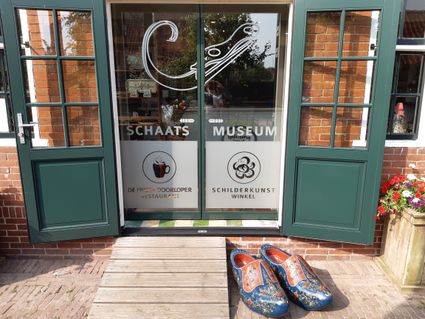
Skûtsjemuseum Earnewâld
Skûtsjemuseum Earnewâld Earnewâld